The kettle is simple only if you use it simply
Smoked BBQ Source’s case is straightforward: a Weber kettle can do a lot more than most people ask of it. The short answer to the video’s underlying question is that the most common kettle grill mistakes are usually not dramatic failures. They are small habits — buying the wrong model, chasing heat too fast, opening the lid too often, or assuming the grill is only good for direct grilling — that quietly limit what the cooker can do.
That matters because the kettle is presented here as a pit with range. In the creator’s telling, it can grill steaks and burgers, but it can also handle ribs, brisket, and other low-and-slow cooks when it is set up with some care. The point is not that every kettle is identical or that every cook should be treated the same. The point is that the grill starts to make more sense once you stop underusing it.
Start with the right kettle for the job
One of the most practical points in the video is also the one most people probably skip: not every kettle choice fits every cook. The creator walks through several Weber models and frames the decision around use case rather than status.
If the goal is just a compact grill for a smaller household, the Jumbo Joe is described as the lightweight, 18-inch option that makes sense for a couple. If feeding a family matters more, the basic 22-inch kettle gives more room while still leaving the door open to smoking. From there, the premium kettle and the Performer become more attractive when the cook wants a little more control and convenience.
That distinction is useful because it keeps the conversation from turning into model worship. The creator is not saying there is one correct kettle for everyone. He is saying that the wrong purchase can make the grill feel limiting before you ever learn what it can do. If you already own a kettle, the lesson is different: use the size and features you have instead of expecting the same experience from every version.
Fire, air, and patience: the basics that control everything
A lot of kettle frustration comes down to fire management, and the video spends real time on the basics. The creator prefers a chimney starter over lighter fluid, not because lighter fluid is treated as some moral error, but because it is easier to avoid the mistakes that come with it. In his telling, the safer path is also the cleaner one: light the charcoal fully, let it ash over, and avoid adding fuel in a way that creates bad flavor or messy flare-ups.
The vent conversation is just as central. The bottom vent is treated as the main airflow control, while the top vent is used more like a fine-tuning tool. For low-and-slow cooking, the creator describes keeping the bottom vent partly open and narrowing the top vent without choking the fire completely. For hotter grilling, he leaves the vents wide open.
The larger lesson is not a number on a dial. It is patience. He repeatedly warns against making rapid adjustments, and he is clear that a kettle needs time after each change before you judge the result. Beginners often react to temperature swings too quickly, and that usually creates more instability instead of less.
Stop treating a kettle like a one-mode grill
A major thread in the video is the idea that people box the kettle in by using it only for burgers and hot dogs. That is the habit the creator seems most interested in changing. He argues that the kettle can handle ribs, brisket, and beef ribs when it is set up correctly.
This is where the kettle starts to look less like a backyard starter grill and more like a flexible charcoal pit. The creator points out that the same basic cooker can be used for direct grilling or indirect smoking, which means the learning curve is not really about the food. It is about understanding how to arrange the fire and the meat.
That broader use case is part of the appeal. If a grill can do a weeknight steak and a longer barbecue cook, it earns more space in the backyard. The video is pushing viewers to think of the kettle that way: not as a backup, but as a main tool with a wider range than its reputation suggests.
Build zones on purpose
The two-zone setup comes across as one of the clearest, most useful pieces of instruction in the video. The creator separates direct heat from indirect heat and treats that distinction as essential, not optional.
For grilling, that can mean leaving some open space so food can move off the hottest area before it overcooks. For smoking, it means placing charcoal on one side and the protein on the other, then positioning the lid so the vent sits above the meat. That creates a path for heat and smoke to travel across the cooker instead of blasting straight up and out.
This is also where the creator’s cautionary tone makes sense. He says that a new cook can get frustrated by trying to manage everything in one hot zone, especially with thinner cuts. By contrast, a cool zone gives the cook somewhere to retreat to, which matters whether you are finishing burgers or trying to avoid overcooking steaks.
Choose fuel and wood for the cook you actually want
The video does a good job of keeping fuel choices tied to outcomes. Lump charcoal is presented as a strong fit for high-heat grilling because it burns hot and fast. Briquettes are the better fit for longer cooks because they are more consistent and last longer.
The wood guidance follows the same logic. The creator says he uses kiln-dried chunks rather than chips, and he keeps the wood selection tied to meat type: cherry and hickory for pork, post oak for beef. He also makes one of the most useful cautionary points in the video: too much wood can make barbecue taste bitter, so starting light is the safer move.
That is the right frame for beginners. The point is not to stock every flavor of wood and charcoal at once. It is to match the fuel to the cook and avoid overcomplicating the fire before you know how your kettle behaves.
The small tools that keep a kettle cook under control
The accessory section is less about gear collecting and more about removing friction. The creator points to charcoal baskets, rails, a good thermometer, tongs, a wire brush, and specialized add-ons like the Bro’n Sear or Slow’n Sear as ways to make zone control easier.
The thermometer gets the most emphasis because it solves a basic problem: knowing when the food is done. But the real value of accessories in this video is broader than one tool. They help make the kettle easier to manage, especially when the cook is longer or when temperature control matters more than speed.
That fits the rest of the video’s logic. The kettle does not need a garage full of extras to work well, but the right few tools can keep the cook steadier and less stressful.
Lid lifts, weather, and temperature spikes
Some of the most common kettle problems are not fuel problems at all. They are attention problems.
The creator is blunt about lid lifting: every time the lid comes off, heat leaves, air rushes in, and the fire can react in ways that make the next reading misleading. That is why he recommends staying hands-off early in a cook, especially during the first couple of hours of low-and-slow work. He also recommends having your spritz bottle ready so any look inside is quick.
Weather matters too. Wind can change how the kettle behaves, and a cook that works on one day may need vent changes on another. His advice is practical rather than dramatic: pay attention to the conditions, note what worked, and adjust next time.
The same is true of preheating. He warns against firing the kettle and rushing straight to the food. The cooker needs time to stabilize whether you are chasing a smoking temperature or a good sear.
A kettle is not fully hands-off
The final misconception in the video is the idea that a kettle can be left alone indefinitely. The creator does describe some cooks as close to set-it-and-forget-it, but only within a limited window. Long cooks still need a fuel check, and sometimes they need a stir or a top-off.
That is an important correction, because it keeps the kettle from being oversold as a miracle pit. It is easier to run than some smokers, but it still asks for attention. The same applies to brisket rotation: the creator mentions turning the meat during the cook to even out the result.
In other words, the kettle rewards basic management. It is not supposed to be frictionless. It is supposed to be learnable.
Why the kettle still earns a place in the backyard
The most useful thing about the video is not the list of mistakes by itself. It is the larger argument underneath them: the Weber kettle has a bigger ceiling than many people give it credit for, but only if the cook stops treating it like a one-purpose grill.
Smoked BBQ Source keeps returning to the same practical idea in different forms. Choose the right model. Light the fire properly. Use vents with purpose. Set up zones. Match your fuel to the cook. Do not keep opening the lid. Pay attention to weather. Give the pit time to stabilize.
That is not flashy advice, but it is the kind that changes results quickly. And for a cooker that starts out looking plain, the kettle seems to deserve that attention.
Watch the original video: https://www.youtube.com/watch?v=FEWNDhKBgwo
PIT CULTURE MERCH
Two Pit Culture designs from Texas Thread Theory for people who live for fire, smoke and low-and-slow weekends.
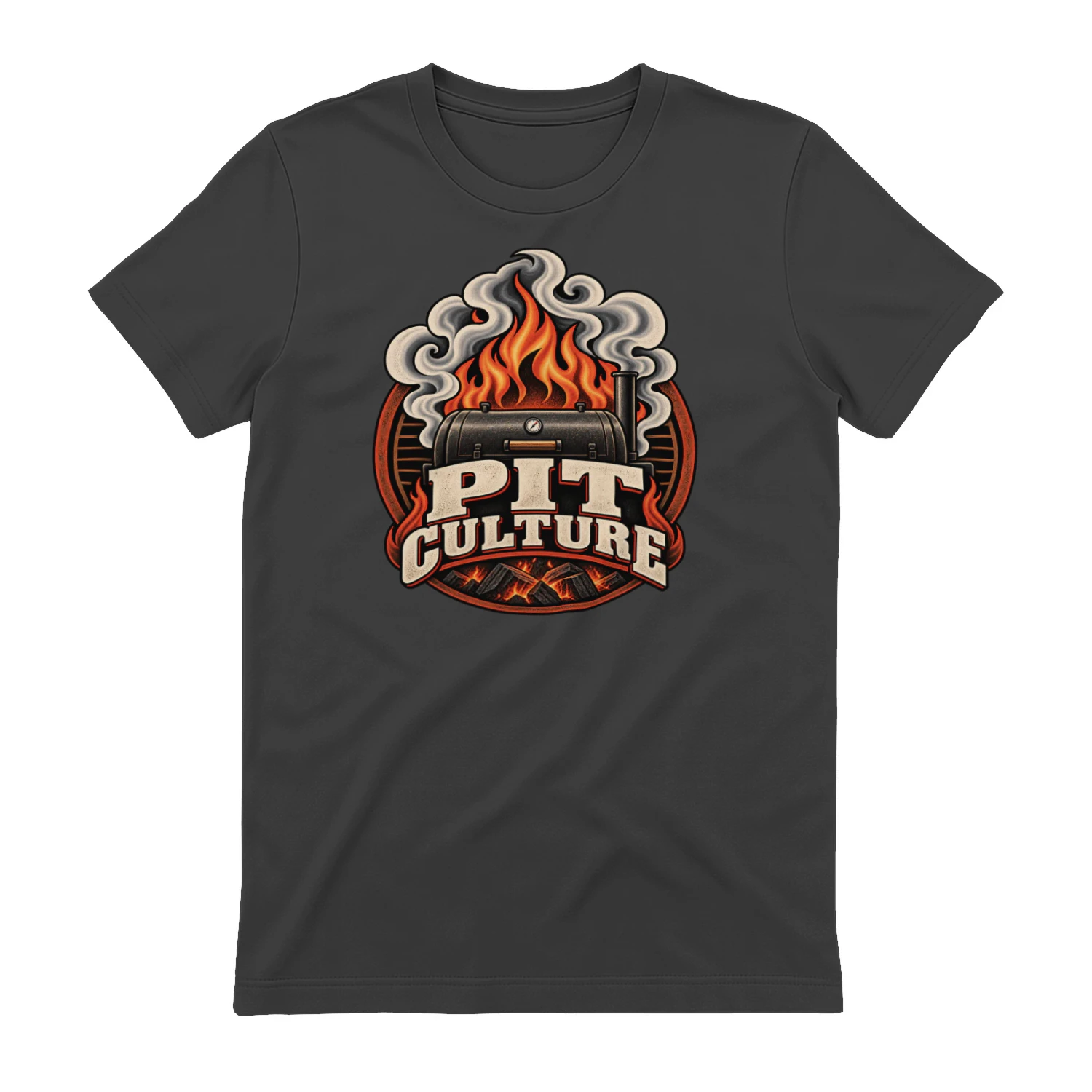
Pit Culture Fire & Smoke
Official Pit Culture merchandise from Texas Thread Theory, built for people who live for fire, smoke and low-and-slow weekends.

Pit Culture Smoke Ring
Official Pit Culture merchandise from Texas Thread Theory, built for people who live for fire, smoke and low-and-slow weekends.