STORIES
Barbecue stories, pitmaster profiles, recipes, techniques, gear and regional traditions from across the culture of smoke and fire.
LATEST STORIES
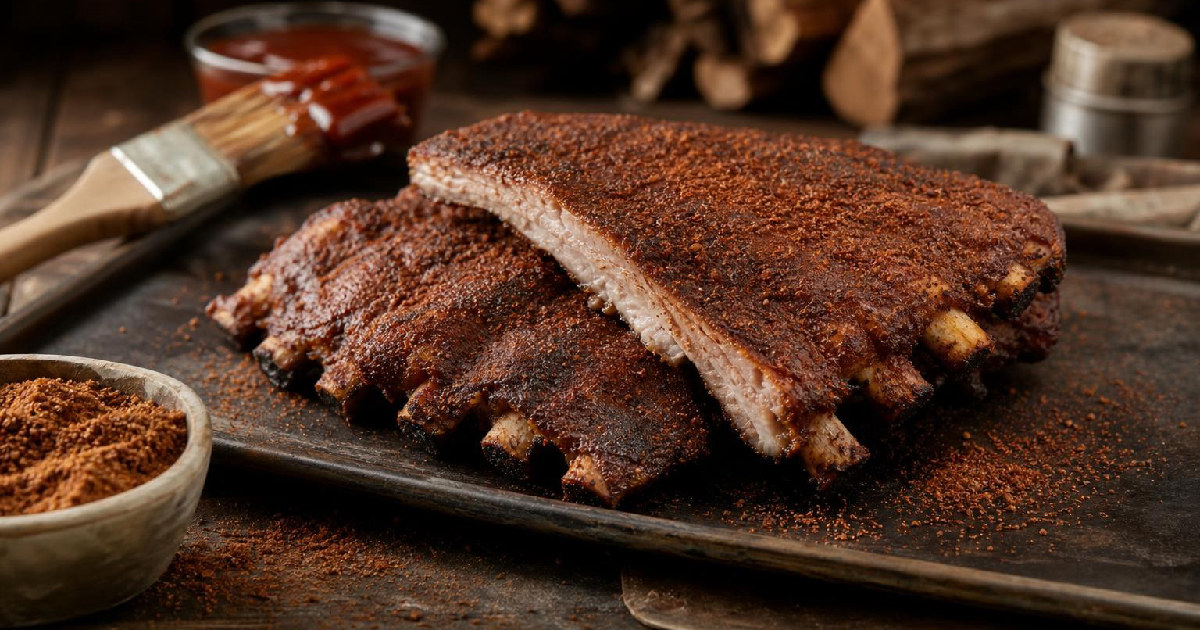
Memphis Barbecue Is Not All Sauce: Dry-Rub Ribs Are Part of the City’s Identity
Memphis barbecue includes both sauce and dry-rub traditions, with paprika-forward spice blends and iconic dry ribs helping define the city’s barbecue identity.
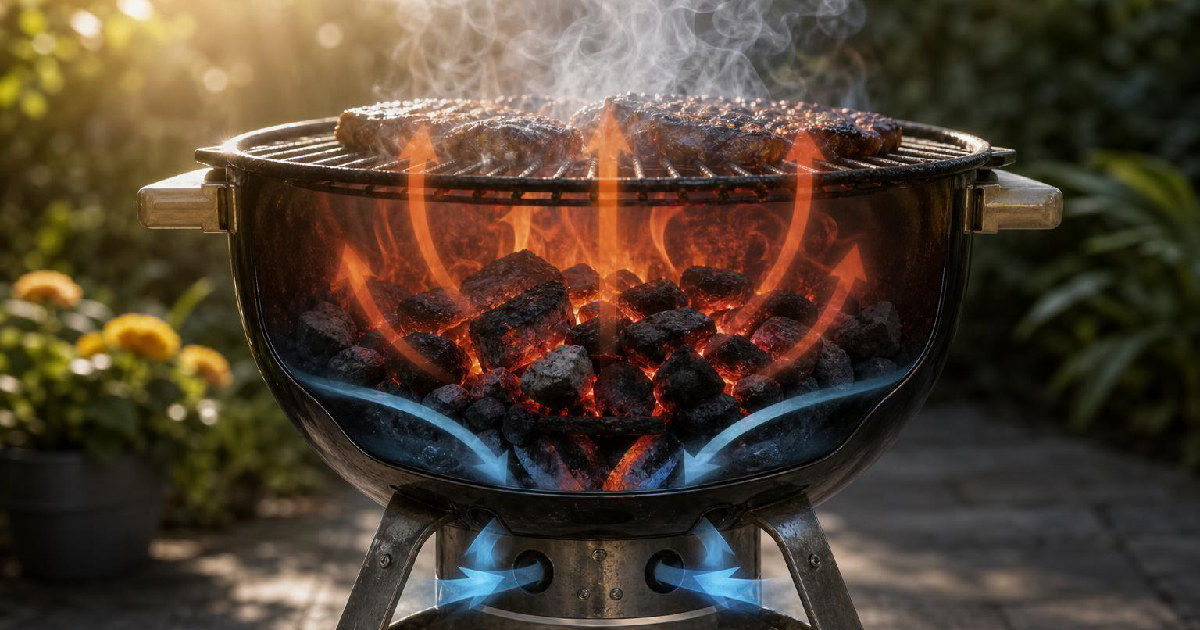
Your Charcoal Grill Temperature Is Controlled by Air as Much as by Fuel
Charcoal temperature control is largely airflow control: opening dampers feeds the fire more oxygen, while reducing airflow slows combustion and lowers the grill temperature.
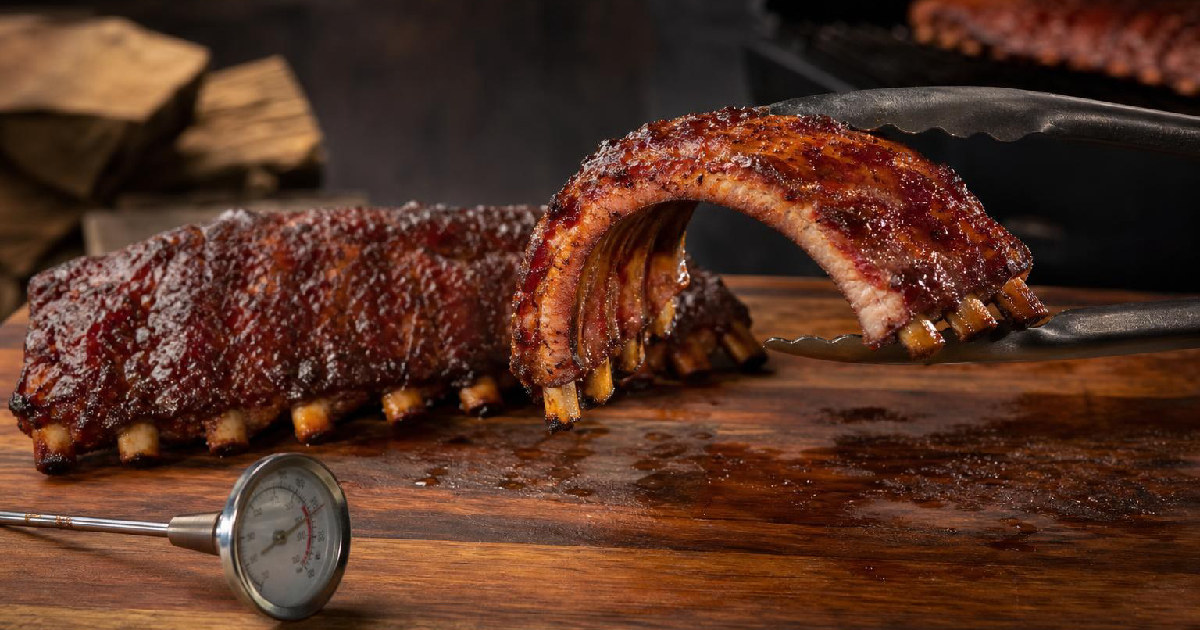
Ribs Are Done When They Bend, Not When the Clock Says So
Pork ribs can be food-safe before they are barbecue-tender. Learn how temperature, bone pullback and the bend test work together to tell you when a rack is actually ready.
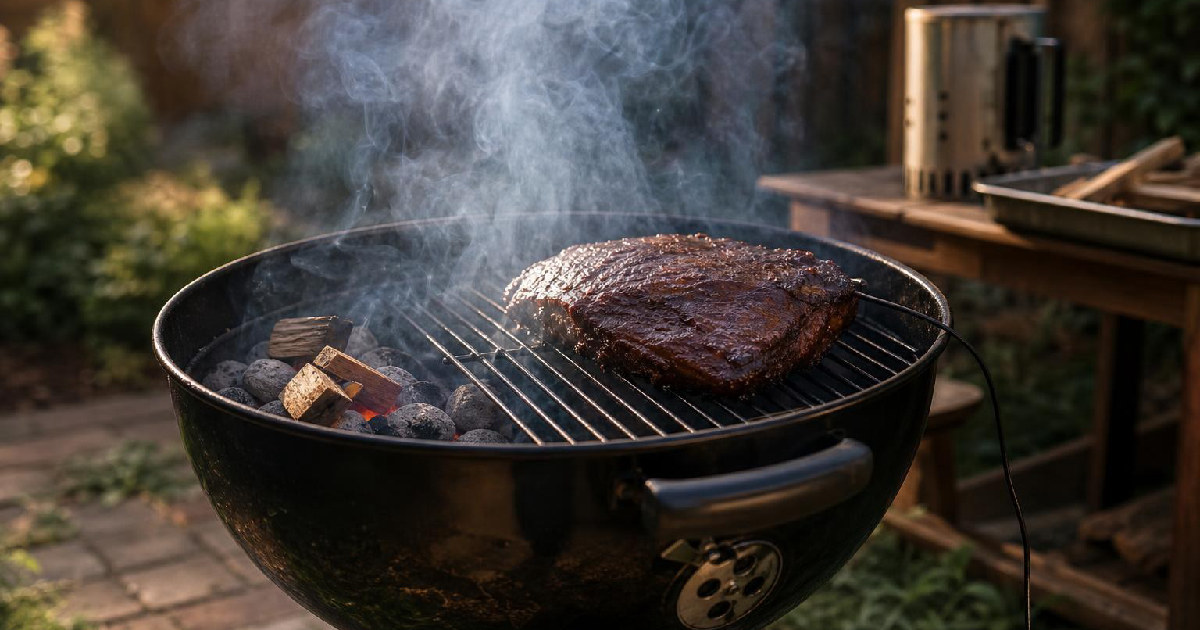
A Kettle Grill Can Smoke Low and Slow If You Control the Air
The secret to smoking on a kettle grill is not a gadget. It is managing airflow, indirect heat and fuel so the fire burns steadily instead of racing.
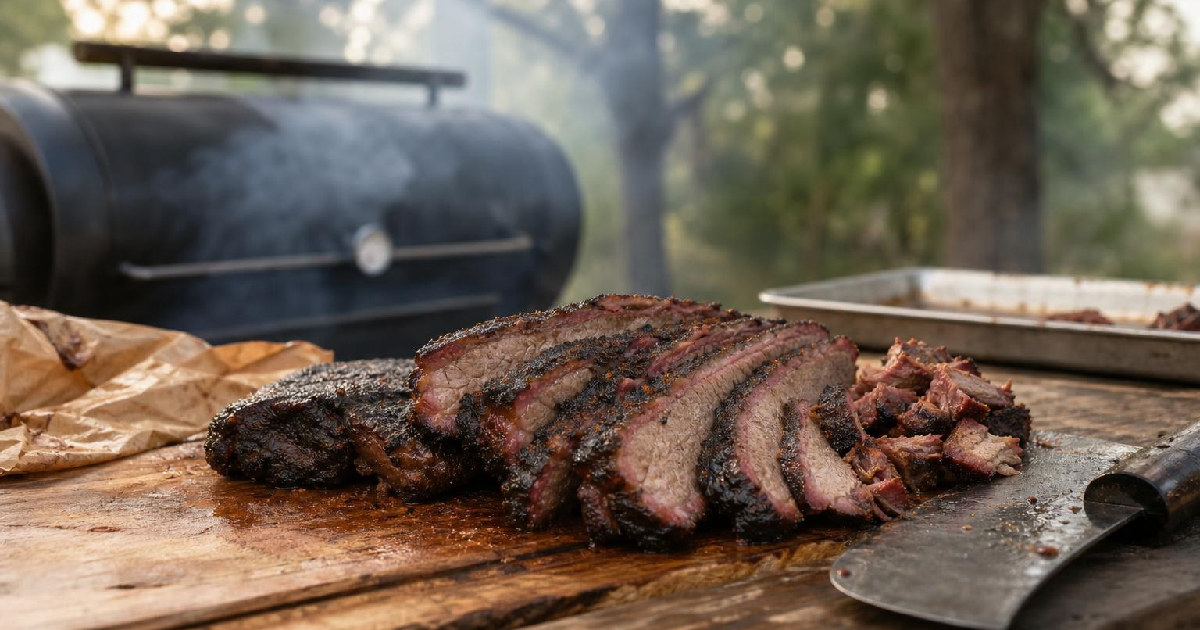
Entry-Level Pitmasters Get a Shot at Memphis in May Through the Carriage Crossing Cookout
The Carriage Crossing Cookout is designed for entry-level pitmasters, with a grand prize that includes paid entry into the 2027 Memphis in May Patio Porkers division or a cash alternative.
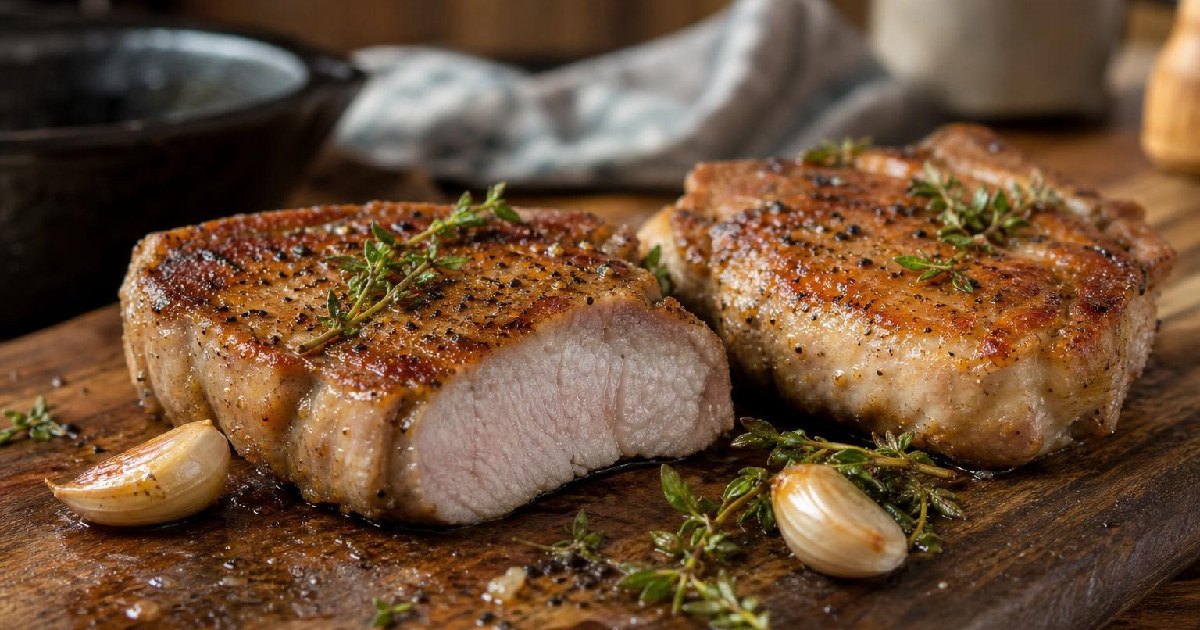
Pork Chops Do Not Need 160°F: USDA Says 145°F With a Three-Minute Rest
USDA guidance calls for whole pork steaks, chops, and roasts to reach at least 145°F followed by a three-minute rest, while ground pork should reach 160°F.
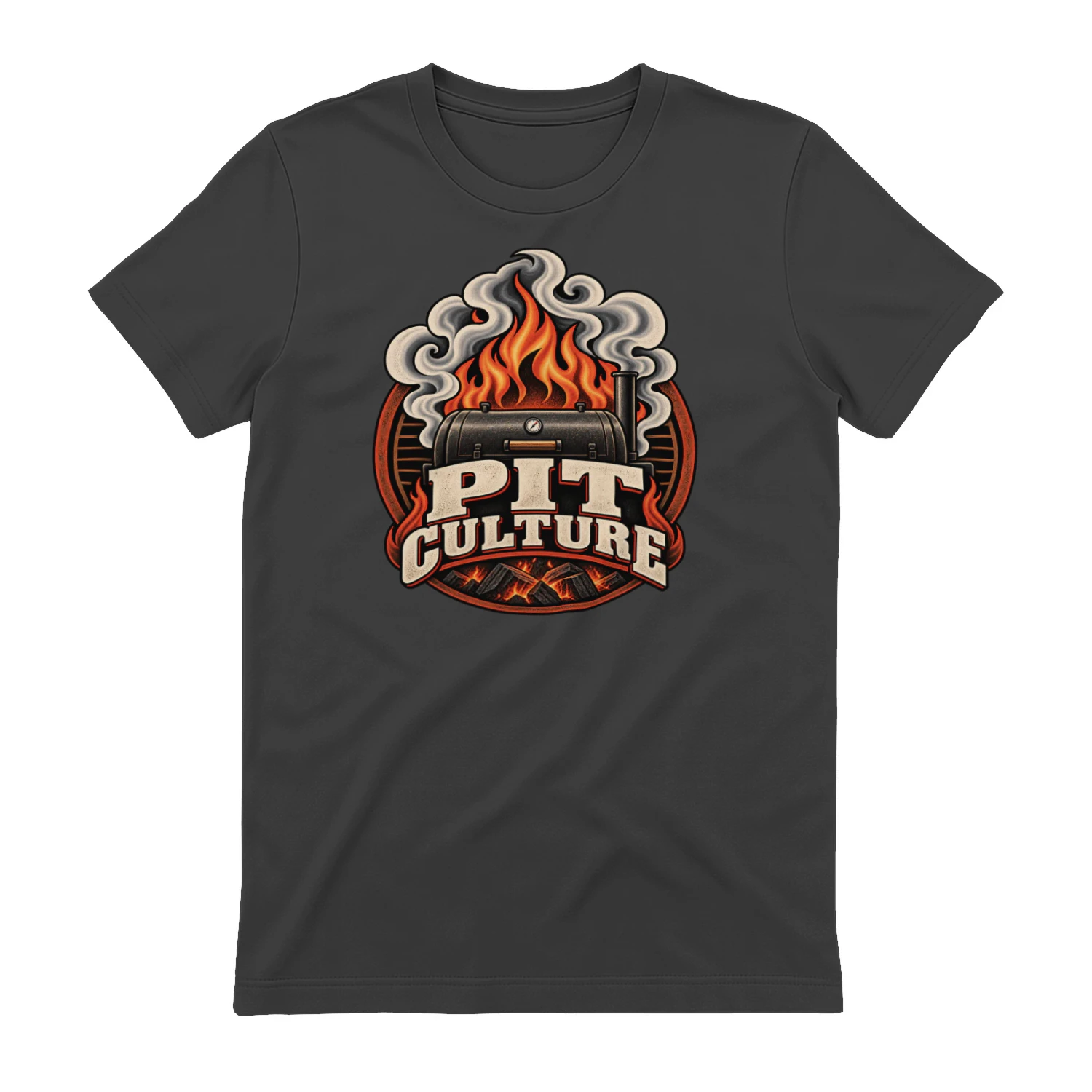
Pit Culture Fire & Smoke
Official Pit Culture merchandise from Texas Thread Theory, built for people who live for fire, smoke and low-and-slow weekends.
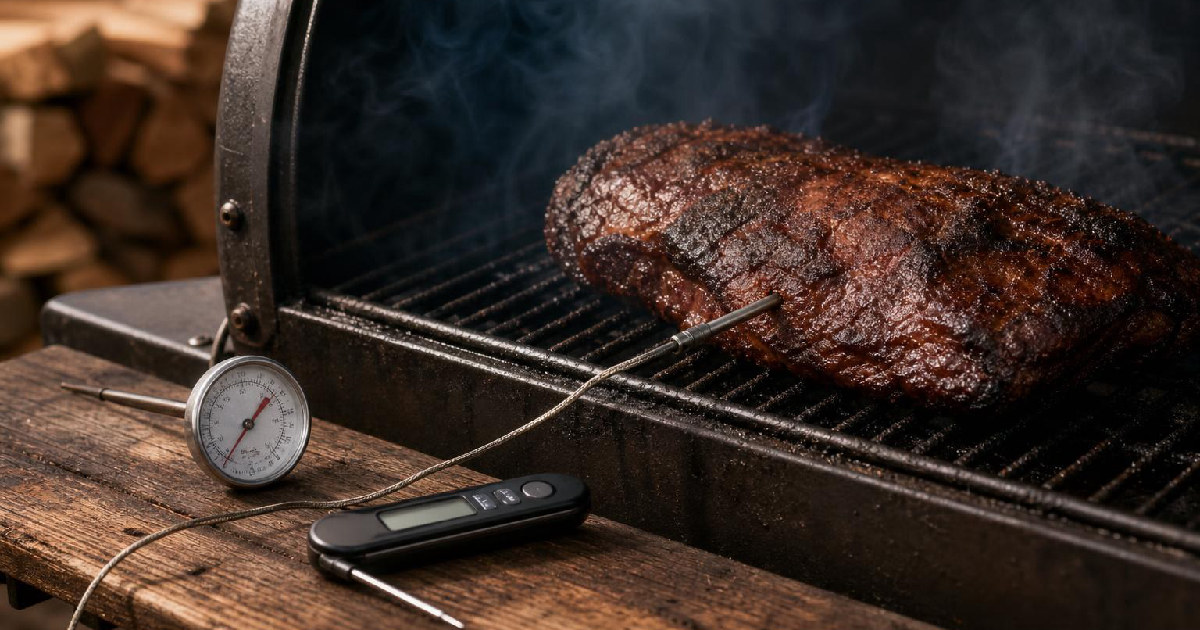
Smoking Meat Safely: The Two Thermometers Every Pit Should Have
USDA guidance calls for monitoring smoker temperature and checking the food itself. Here is how to build those two readings into a practical smoking routine.
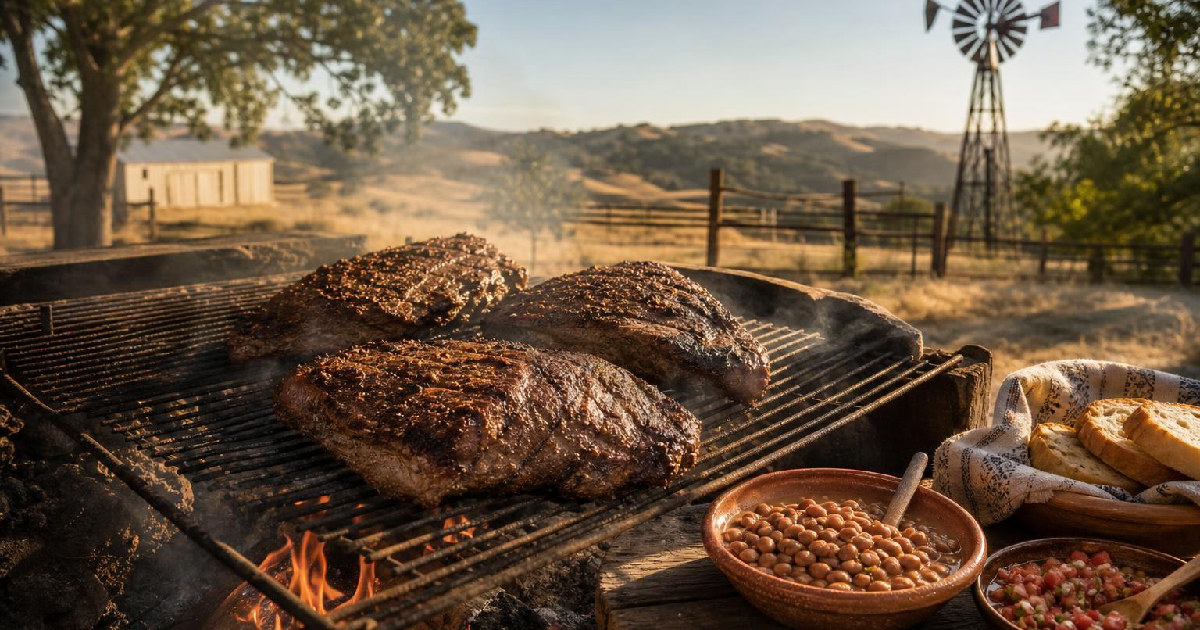
Santa Maria Barbecue Is a Full Tradition, Not Just a Tri-Tip Recipe
Santa Maria Style barbecue grew from Central Coast ranch traditions and is built around red-oak cooking, simply seasoned beef, pinquito beans, bread, salsa, and a specific regional menu.
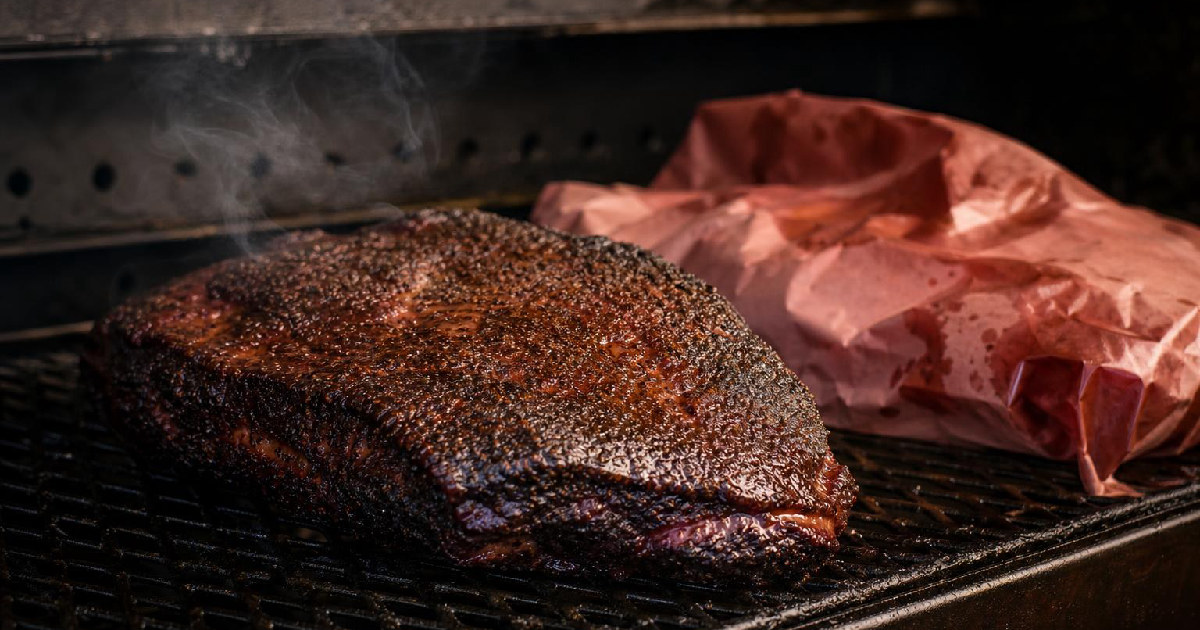
The Brisket Stall Is Normal: What Wrapping Actually Changes
Brisket can sit in the mid-150s to mid-160s for hours. Here is why the stall happens, when wrapping helps, and why tenderness matters more than racing the clock.
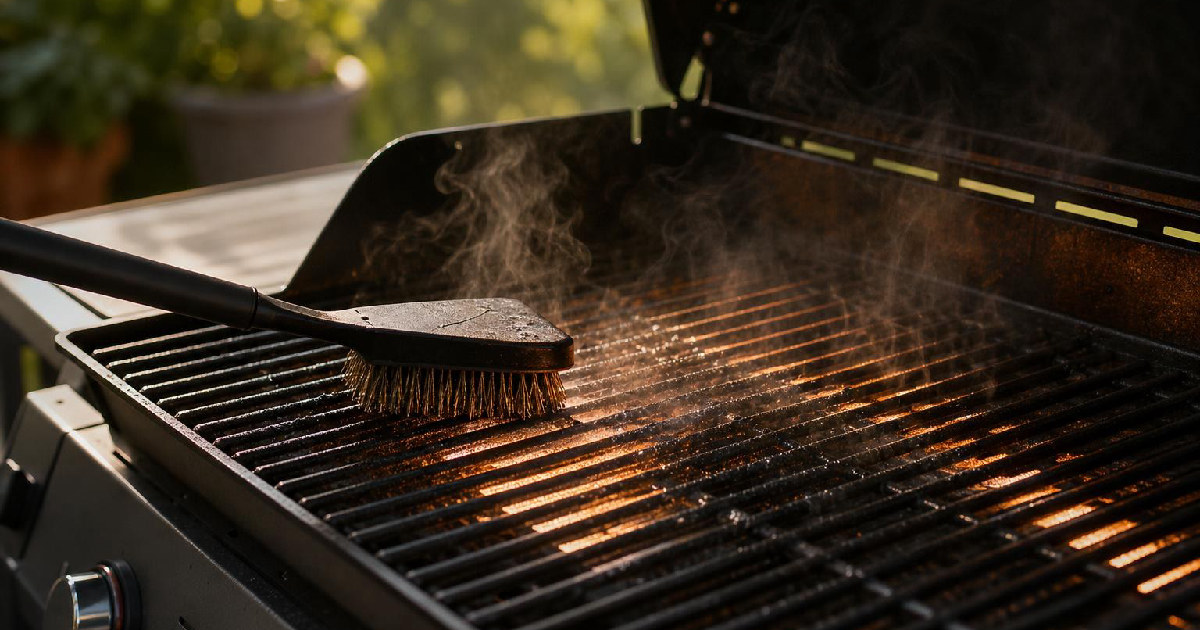
Clean Grill Grates Start With a Hot Grill, Not a Cold Scrub
Weber recommends preheating a grill before brushing the cooking grates, making hot-grate cleaning part of the setup for the next cook rather than a cold-grate chore.
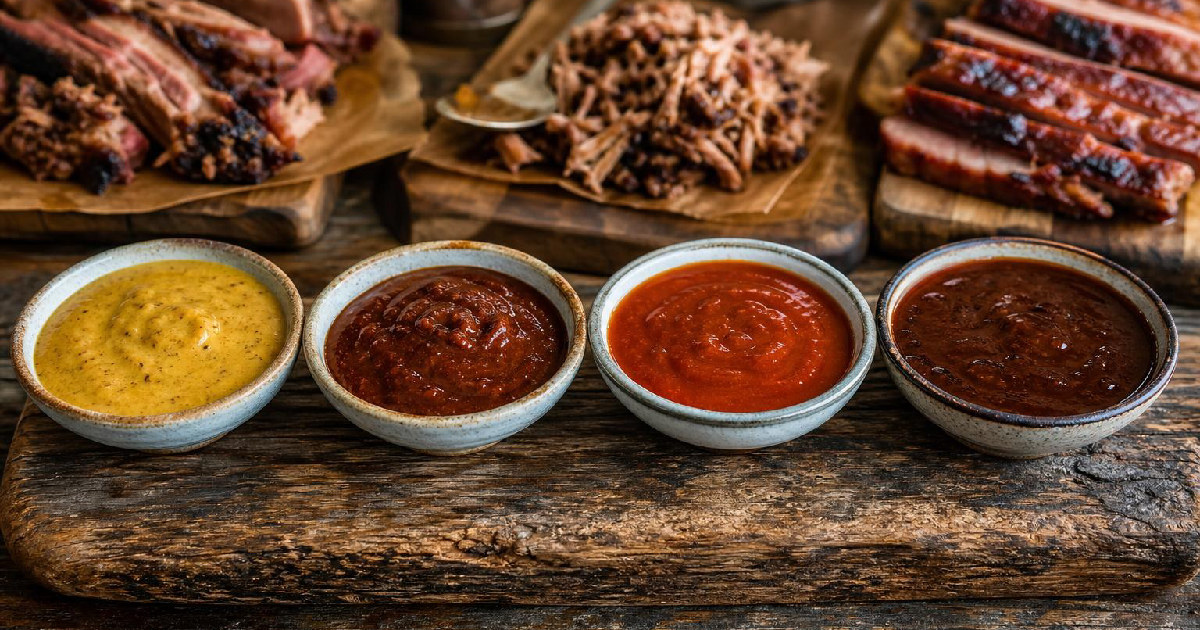
South Carolina Barbecue Has Four Sauce Traditions, Not Just Mustard
South Carolina’s barbecue identity is regional. The state’s official tourism guide recognizes four sauce traditions, and knowing where they overlap makes the food easier to understand.
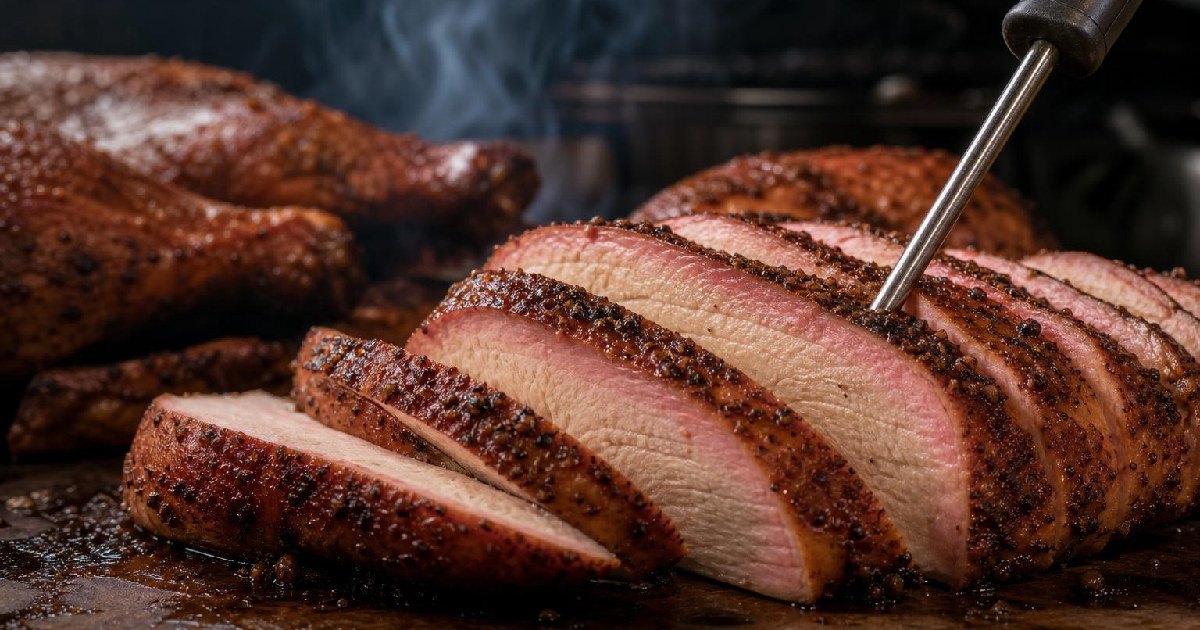
Why Smoked Chicken Can Still Look Pink When It Is Fully Cooked
USDA says smoked poultry can stay pink even after reaching a safe temperature. Here is why pitmasters should trust the thermometer instead of the color of the meat.
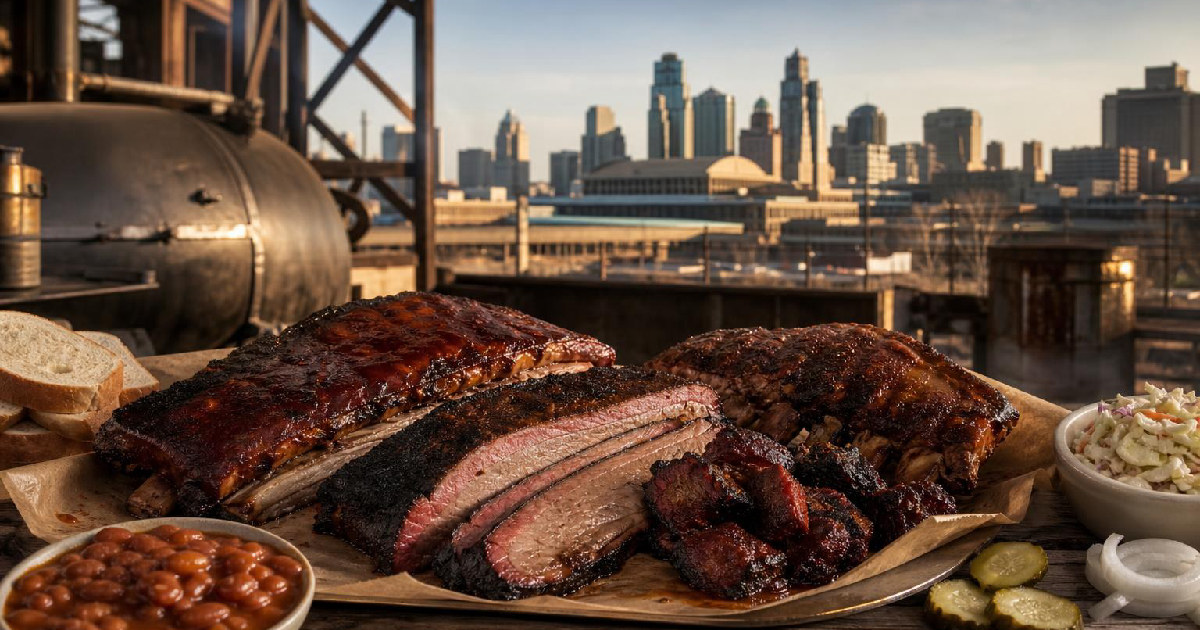
Kansas City Is Now Missouri’s Official State Barbecue Capital
Missouri formally designated Kansas City as the state barbecue capital in 2026. The move recognizes a barbecue tradition that grew from Henry Perry, the stockyards era and a restaurant culture that now spans more than 100 barbecue stops.
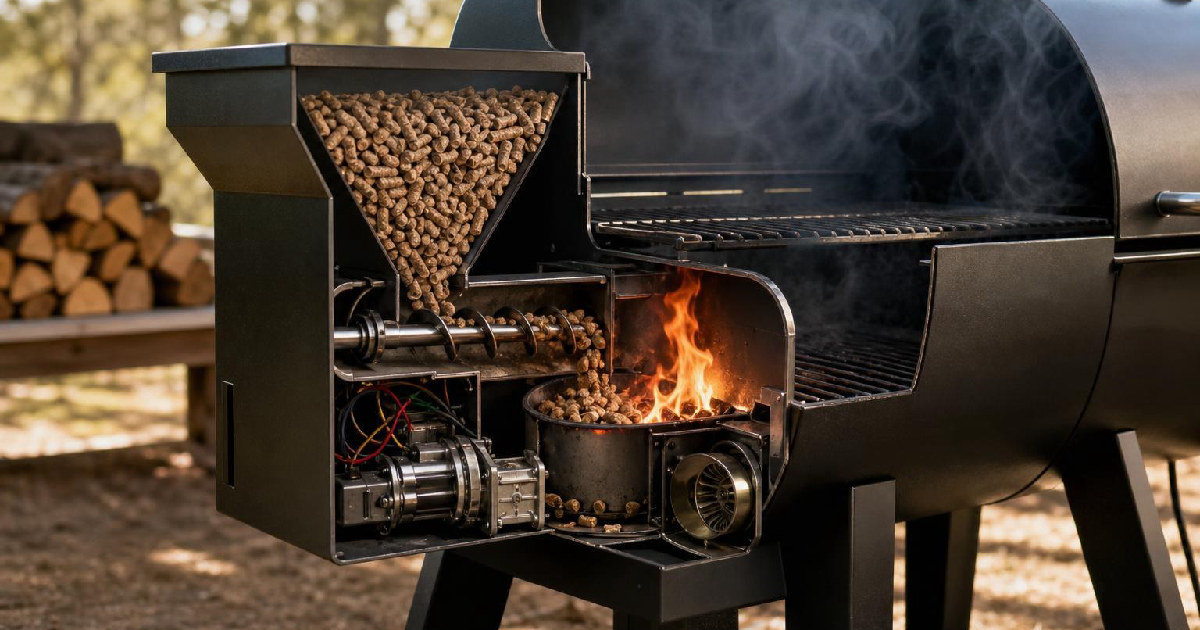
A Pellet Grill Still Burns Wood: Electricity Runs the Feed System, Not the Fire
A pellet grill uses electricity for its controller, auger, igniter, and fan while hardwood pellets travel from a hopper into a fire pot where they burn to create the cooking heat.
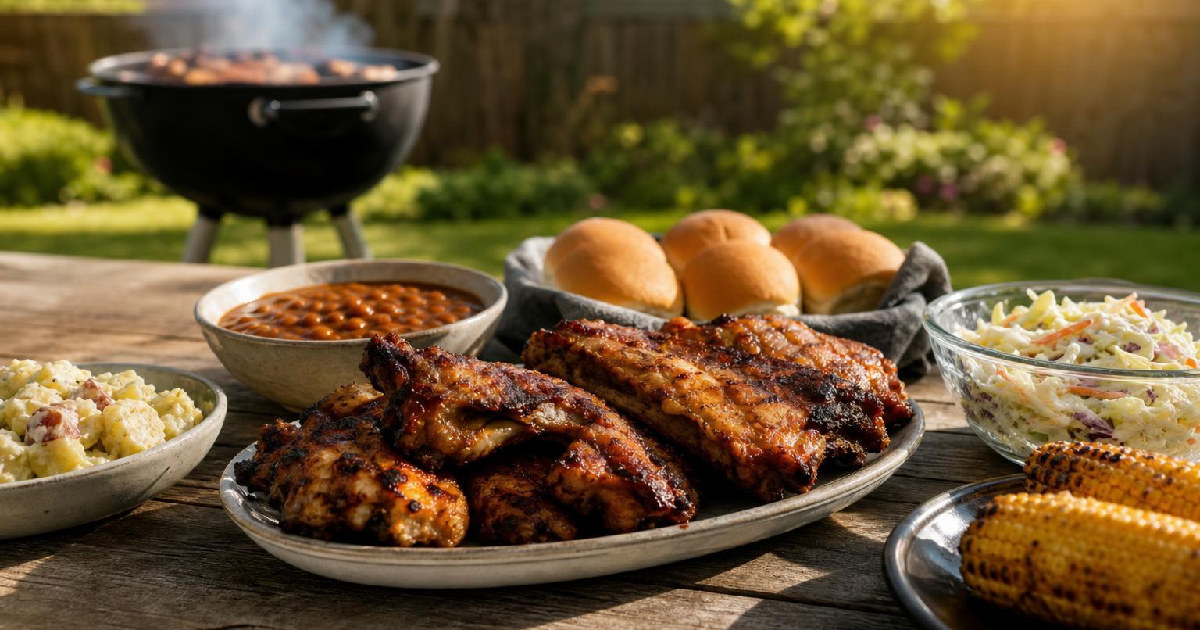
The Backyard Barbecue Danger Zone: When Food Has Been Sitting Out Too Long
USDA defines 40°F to 140°F as the food-safety danger zone and shortens the two-hour rule to one hour when outdoor temperatures rise above 90°F.
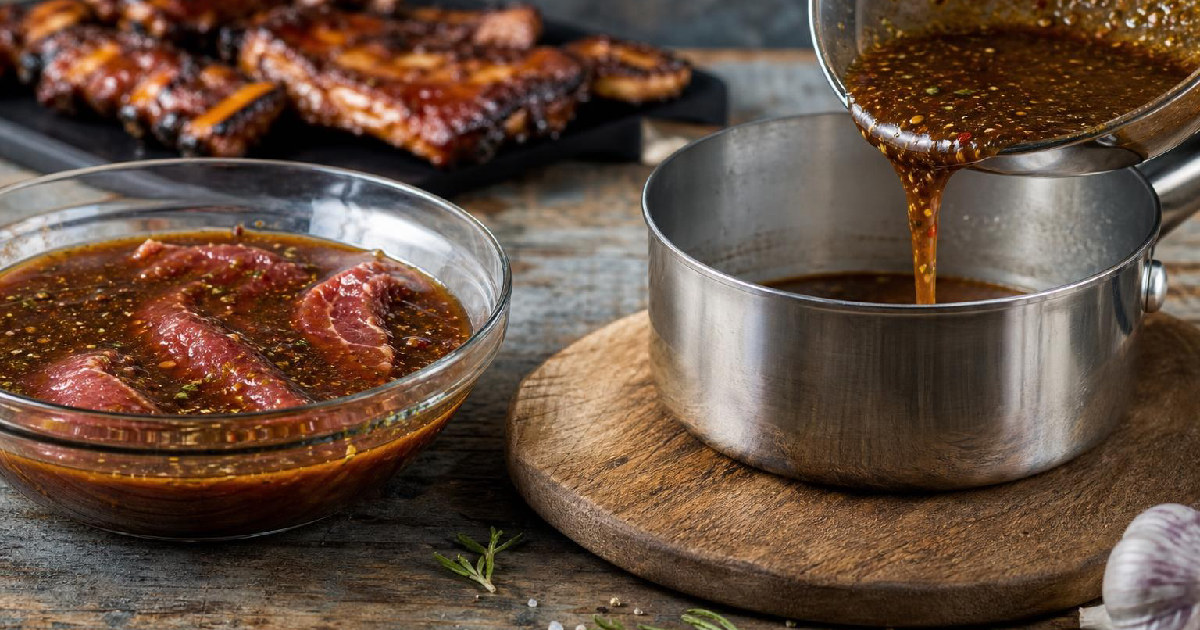
Do Not Put Used Raw-Meat Marinade Back on Finished Barbecue Unless You Boil It
USDA says meat and poultry should be marinated in the refrigerator and used marinade should not go onto cooked food unless it is boiled first to destroy harmful bacteria.
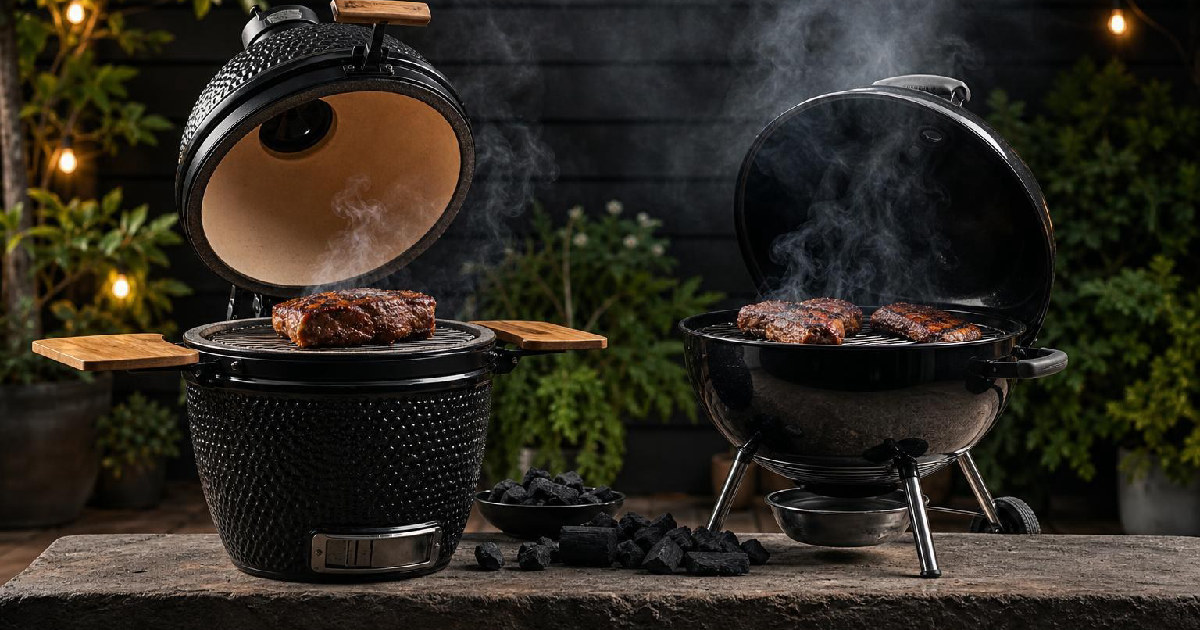
What Makes a Ceramic Kamado Different From a Regular Charcoal Grill
Ceramic kamado cookers use charcoal like other grills, but insulated ceramic construction and controlled airflow help them retain heat and move between low-and-slow and high-heat cooking.
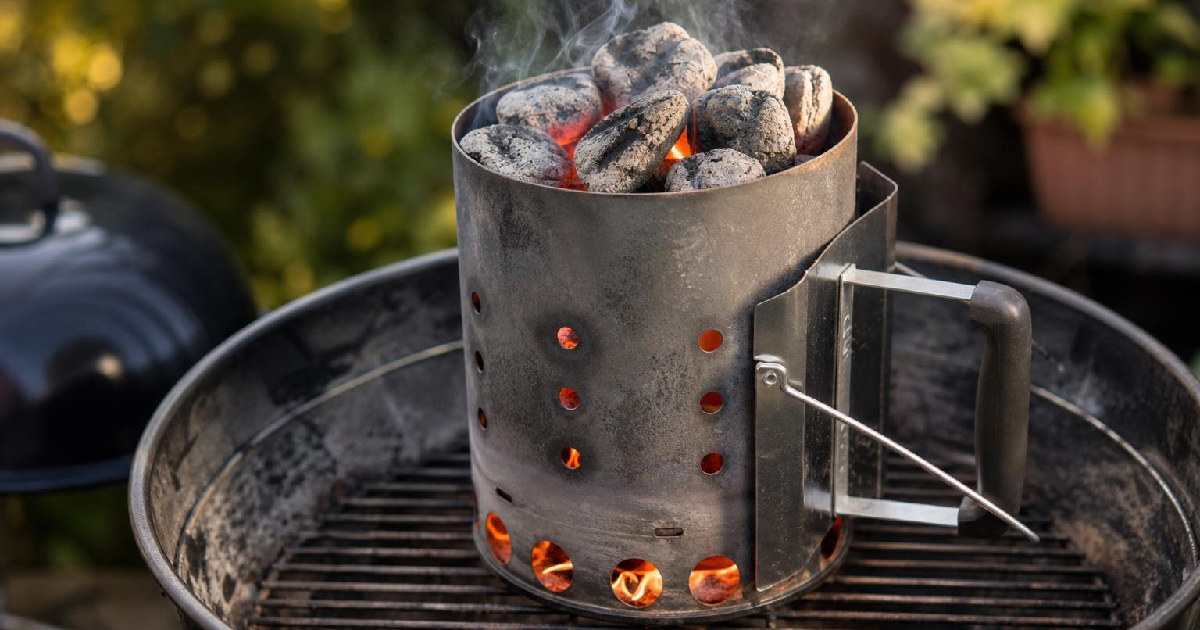
A Charcoal Chimney Starter Gives You an Even Fire Without Lighter Fluid
A charcoal chimney starter lights briquettes or lump charcoal with strong natural airflow, helping the coals ignite evenly before they are arranged for direct or indirect cooking.
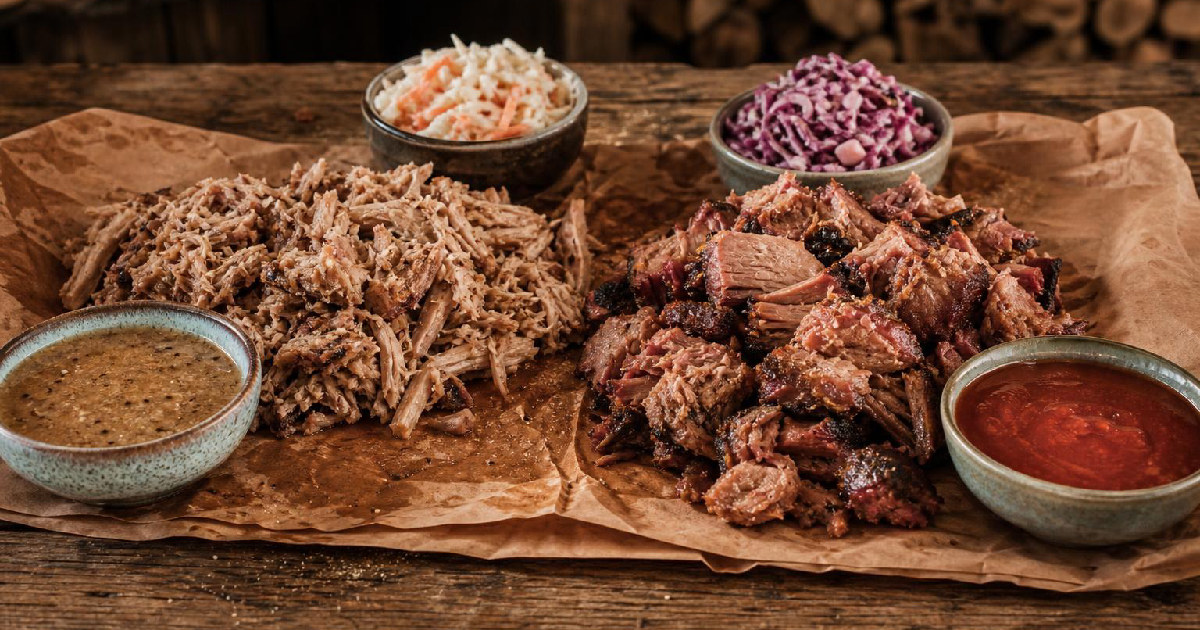
North Carolina Barbecue Is Really Two Traditions on One Map
North Carolina barbecue has two major regional traditions: Eastern whole hog with vinegar-pepper sauce and Lexington-style pork shoulder with tomato-tinged dip and red slaw.
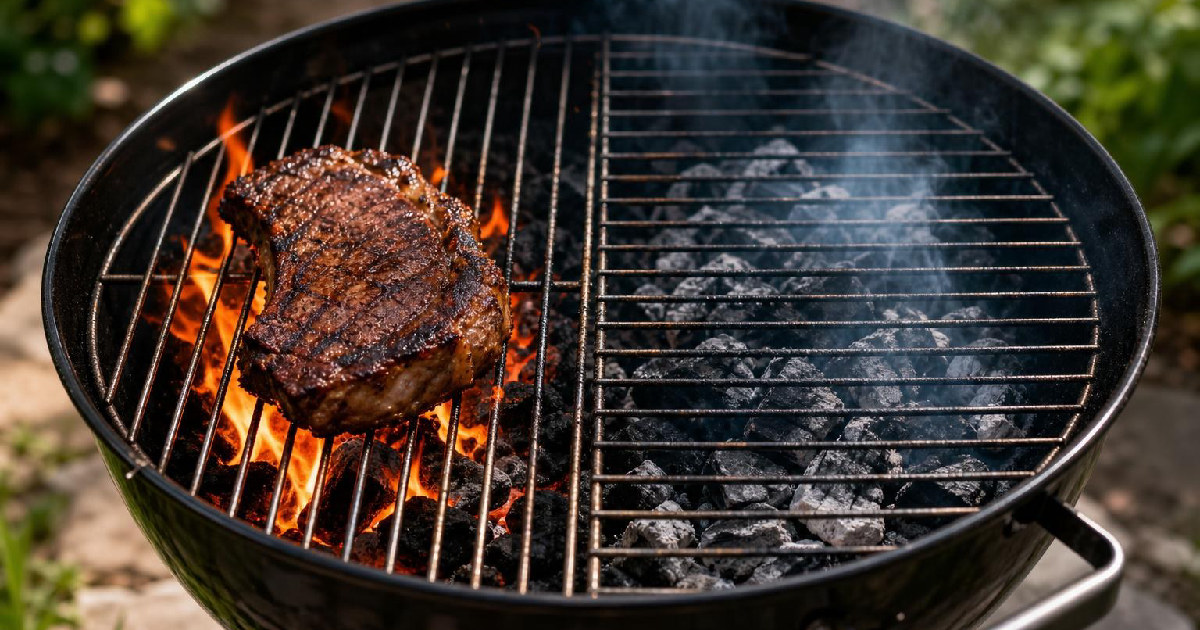
The Two-Zone Charcoal Fire Is the Setup Every Backyard Griller Should Know
A two-zone charcoal fire combines direct and indirect heat at the same time, giving cooks a hot side for searing and a cooler side for slower, more controlled cooking.