Ask someone to picture barbecue and a glossy layer of sauce usually appears first. Memphis makes that picture more complicated. Sauce has a place in the city's barbecue culture, but so do ribs that lean on seasoning, smoke, and a dry exterior instead of being covered in sauce before they reach the table.
The dry rub carries a lot of the flavor
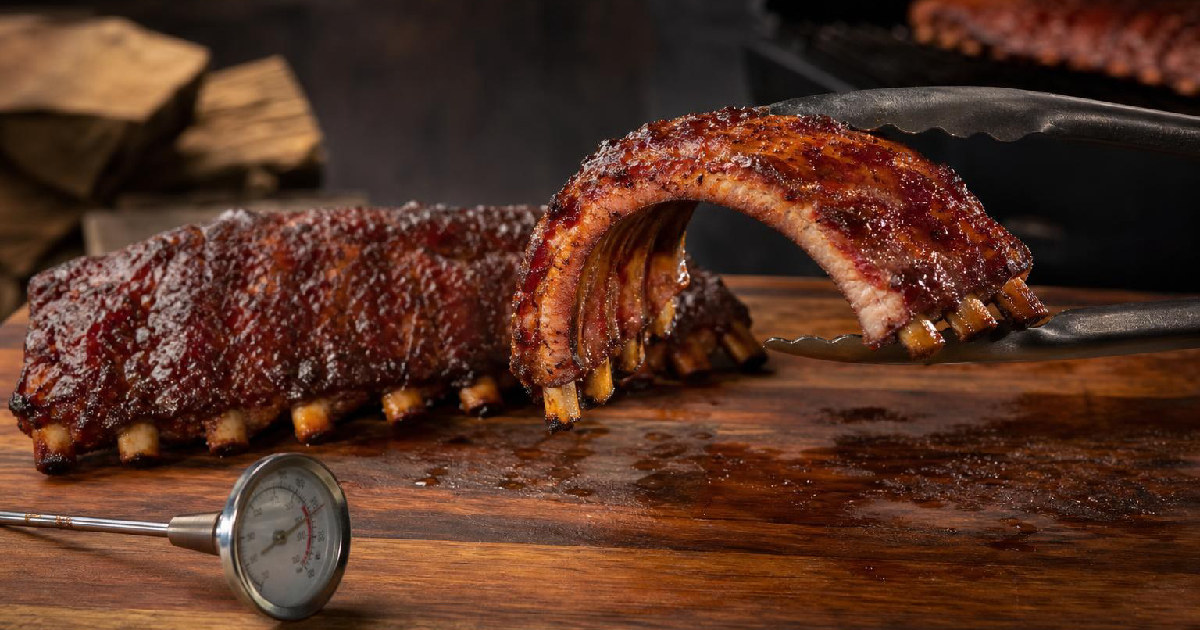
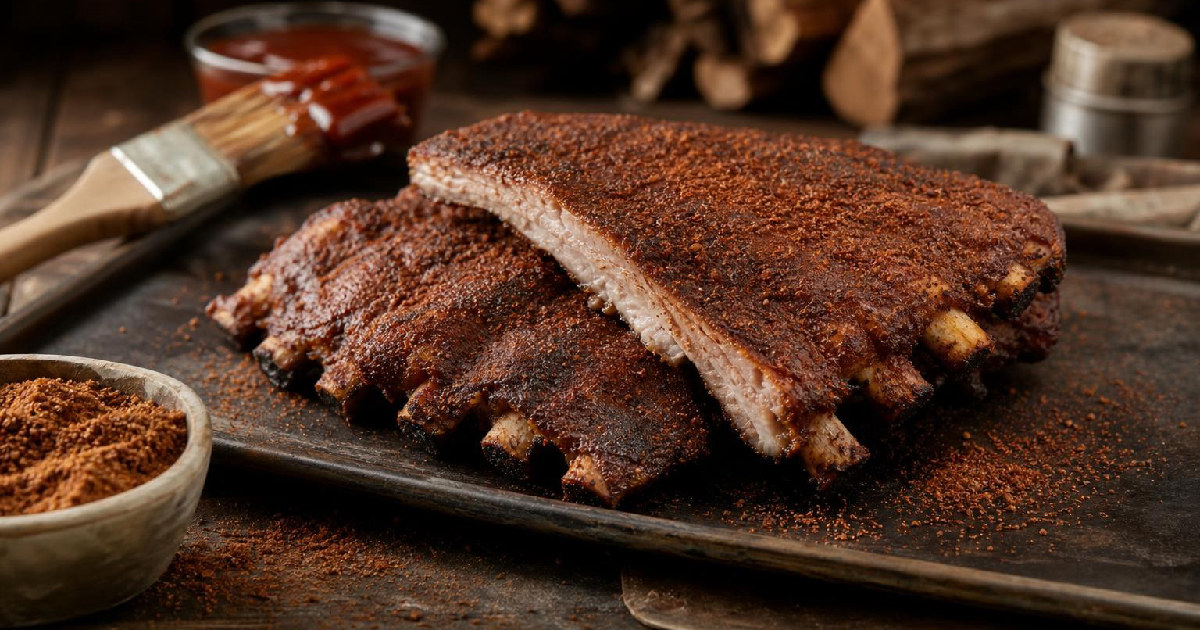
Memphis Travel describes dry rub as a central part of the local style. Recipes vary by pitmaster, but common components include paprika, garlic, onion, black pepper, cayenne, brown sugar, and salt. During cooking, the spices combine with rendered fat and smoke to help form the seasoned exterior barbecue cooks call bark.
The exact blend is not the point. Memphis barbecue has room for individual pitmaster signatures. The important idea is that seasoning can be the primary flavor structure rather than merely a first step before sauce.
Dry ribs are not unfinished ribs
A rack served without a wet coating can look incomplete to someone accustomed to sauced barbecue. In Memphis, that is a false assumption. Dry ribs are meant to showcase the rub, the texture of the surface, and the flavor produced during the cook.
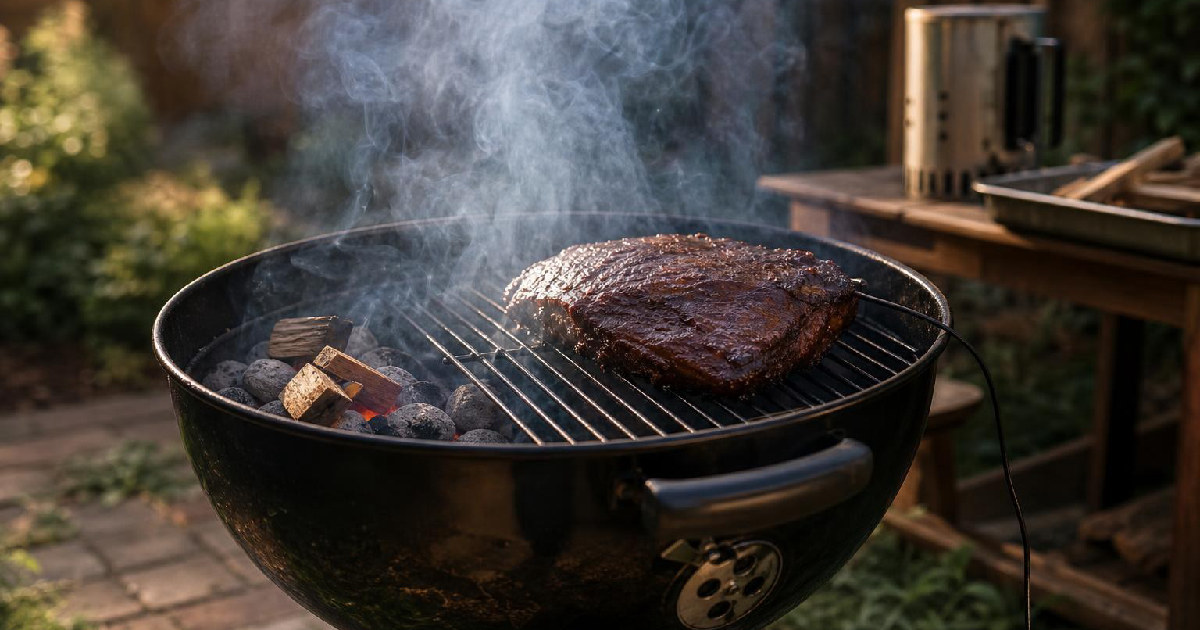
Charlie Vergos' Rendezvous became one of the city's best-known examples. Memphis Travel notes that the restaurant has been serving its distinctive style since 1948 and is famous for dry-rub seasoning. Its ribs are also unusual because they are charcoal-grilled rather than prepared exactly like the slow-smoked ribs many visitors expect.
Memphis still has a sauce tradition
None of this means Memphis is anti-sauce. The city's barbecue sauces are commonly tomato-based, sweetened, and balanced with vinegar. Diners can find wet ribs, sauced pork, and plenty of places where sauce is part of the experience.
The mistake is treating that as the only authentic path. Memphis barbecue culture supports a broader spectrum, from dry-seasoned ribs to sauced meats and combinations of the two.
Why the distinction matters for backyard cooks
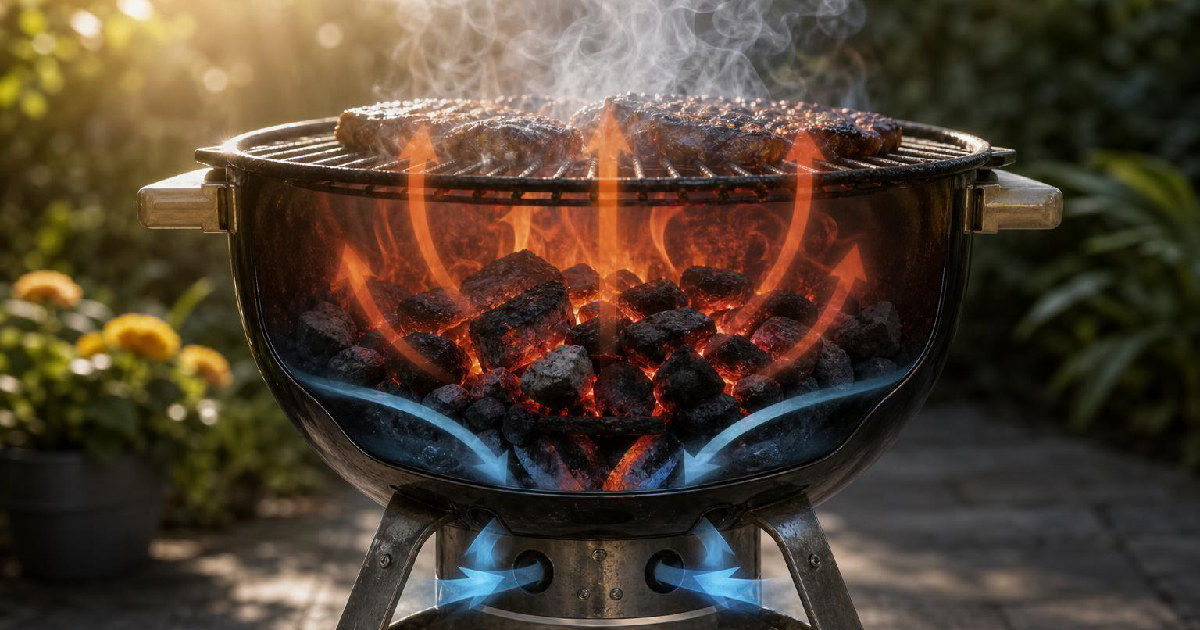
Dry-rub ribs force you to pay attention to the fundamentals. The seasoning needs balance. The fire needs to build flavor without turning the spices bitter. The surface needs enough time to develop texture. Sauce cannot be used at the end to cover a weak rub or an uneven cook.
That makes Memphis-style dry ribs a useful exercise even if you ultimately prefer sauce on the side.
The practical takeaway
Memphis barbecue is not defined by a single bottle of sauce. Dry rubs, bark, charcoal-grilled ribs, smoked pork, and sweet-tangy sauces all live inside the city's barbecue tradition. If you want to understand Memphis ribs, start by treating the rub as a finished flavor system, not just a base coat.
PIT CULTURE MERCH
Two Pit Culture designs from Texas Thread Theory for people who live for fire, smoke and low-and-slow weekends.
Pit Culture Smokehouse Badge
Official Pit Culture merchandise from Texas Thread Theory, built for people who live for fire, smoke and low-and-slow weekends.
Respect the Bark
Official Pit Culture merchandise from Texas Thread Theory, built for people who live for fire, smoke and low-and-slow weekends.