Safe is not the same as tender
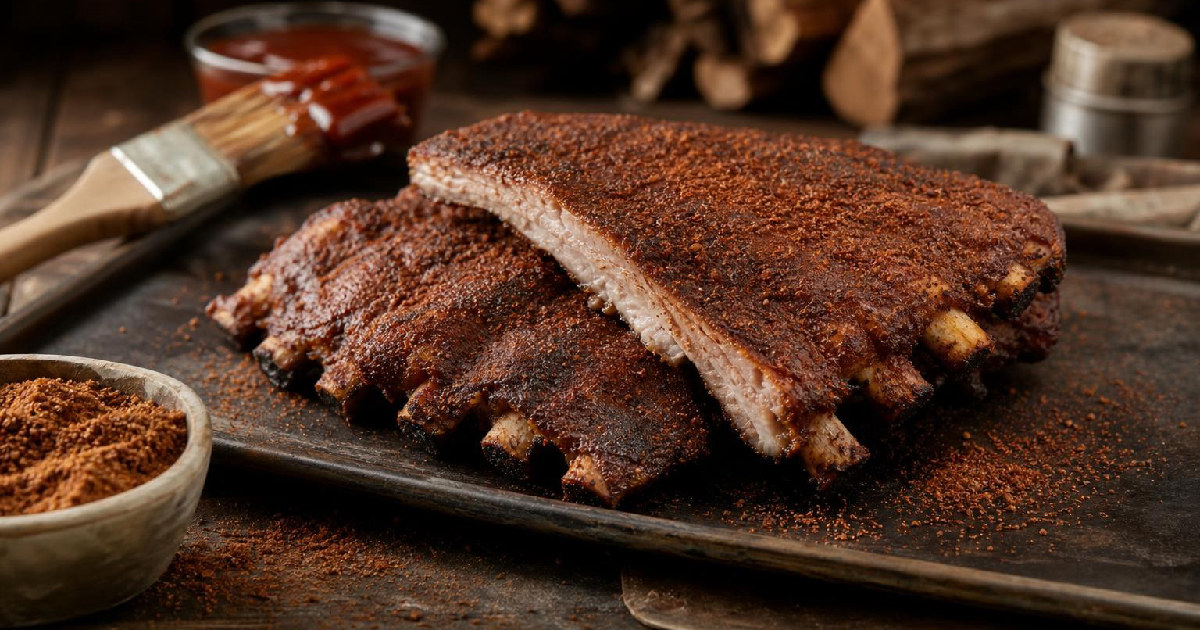
Ribs create one of the easiest barbecue traps: confusing a safe temperature with a finished texture.
ThermoWorks notes that pork ribs may be safe to eat at a much lower temperature than the point where their collagen and connective tissue have softened enough for the texture people expect from barbecue. In other words, a rack can be technically cooked and still be tough.
That is why rib doneness needs more than one number.
Temperature gets you into the right neighborhood
ThermoWorks places the common tenderness range for ribs roughly in the 180 to 195 F zone. That range is useful because it tells you when the connective tissue has had enough heat exposure for tenderness to become realistic.
But ribs are thin, curved and full of bones, which makes a clean internal-temperature reading harder than it is on a brisket flat or pork loin. A probe can land close to bone and give a misleading result.
Use temperature as a checkpoint, not a verdict.
The bend test tells you what the rack feels like
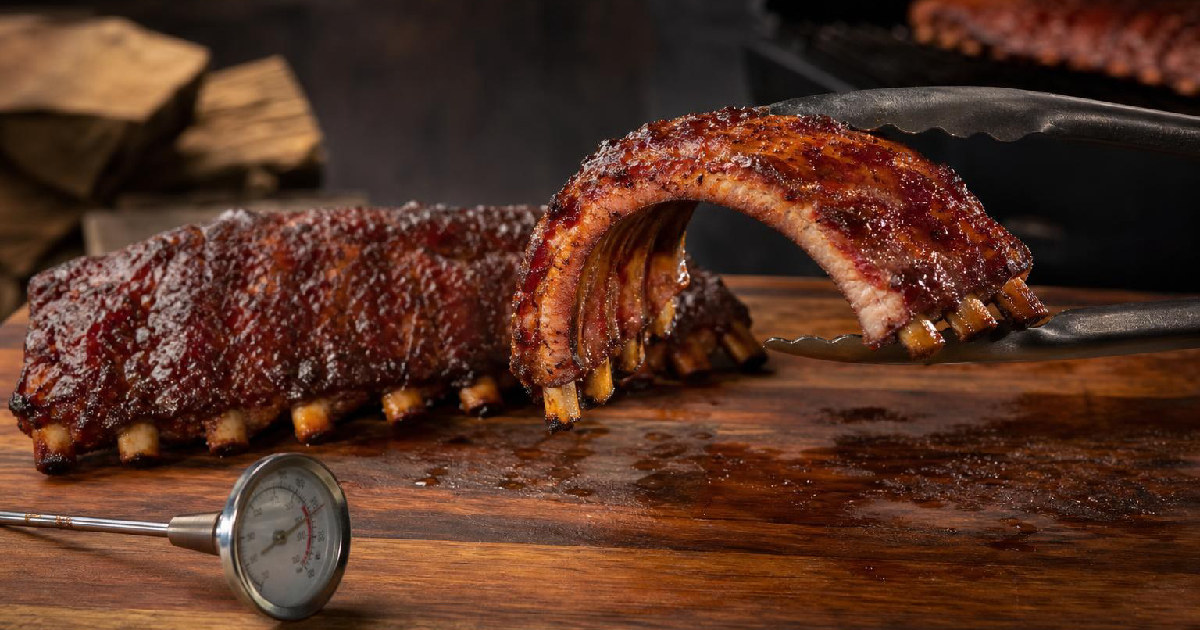
Weber recommends a simple physical test. Lift the rack from one end with the bones facing up. A finished rack should bend easily enough that the meat begins to tear in the middle.
That test works because it measures the thing you actually care about: whether the rack has softened enough to flex without behaving like a stiff board.
If the rack barely bends, it needs more time. If it folds with very little resistance and the surface starts to crack where the meat stretches, you are in the tenderness window.
Look at the bones too
Weber also points to meat pulling back from the ends of the bones as another doneness clue. That visual cue is useful, especially when combined with the bend test, but it should not be treated as a rigid measurement.
Different racks shrink differently. Thickness, trimming, breed, pit temperature and cooking method can all change how dramatic the bone exposure looks.
The best approach is to stack signals: temperature in the tenderness range, visible pullback and a rack that bends naturally.
Fall-off-the-bone is a preference, not the only definition of done
Some cooks want ribs that hold a clean bite. Others want meat that nearly separates from the bone by itself. Both are preferences.
The important distinction is that tenderness continues to change after the rack first becomes done. If you want competition-style structure, pull earlier in the tenderness window. If you want a softer backyard texture, let the rack continue until it bends more aggressively.
The clock cannot make that choice for you.
Use the recipe time as a planning tool
Recipes that say two hours, four hours or six hours are useful for scheduling, but they are still estimates. Pit temperature, rack thickness, weather and how often the cooker is opened all affect timing.
Start checking the rack when it reaches the expected window. Then let the meat tell you when it is ready.
For ribs, the best final answer is not a timer and not one thermometer reading. It is a combination of heat, visual cues and feel.
PIT CULTURE MERCH
Two Pit Culture designs from Texas Thread Theory for people who live for fire, smoke and low-and-slow weekends.
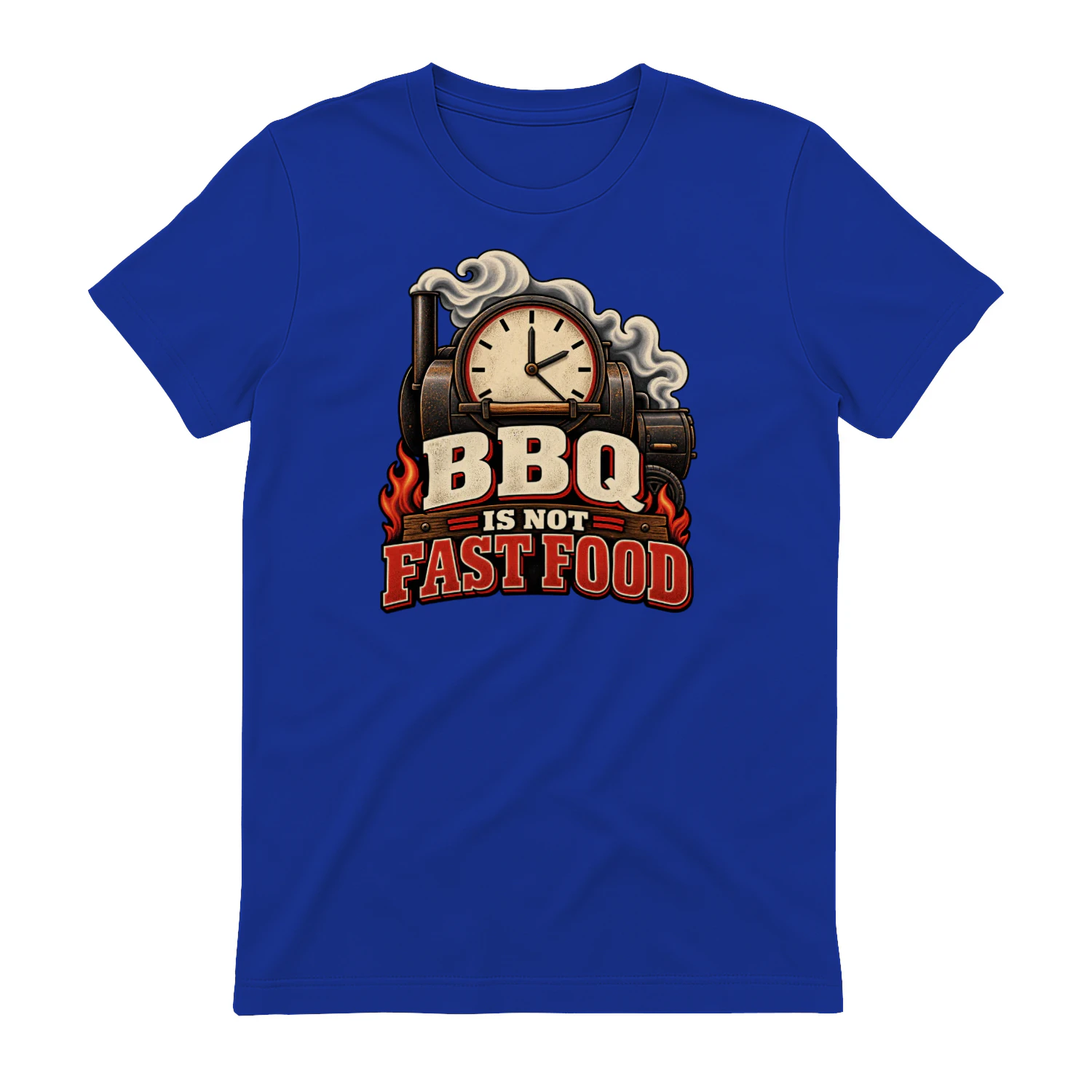
BBQ Is Not Fast Food
Official Pit Culture merchandise from Texas Thread Theory, built for people who live for fire, smoke and low-and-slow weekends.
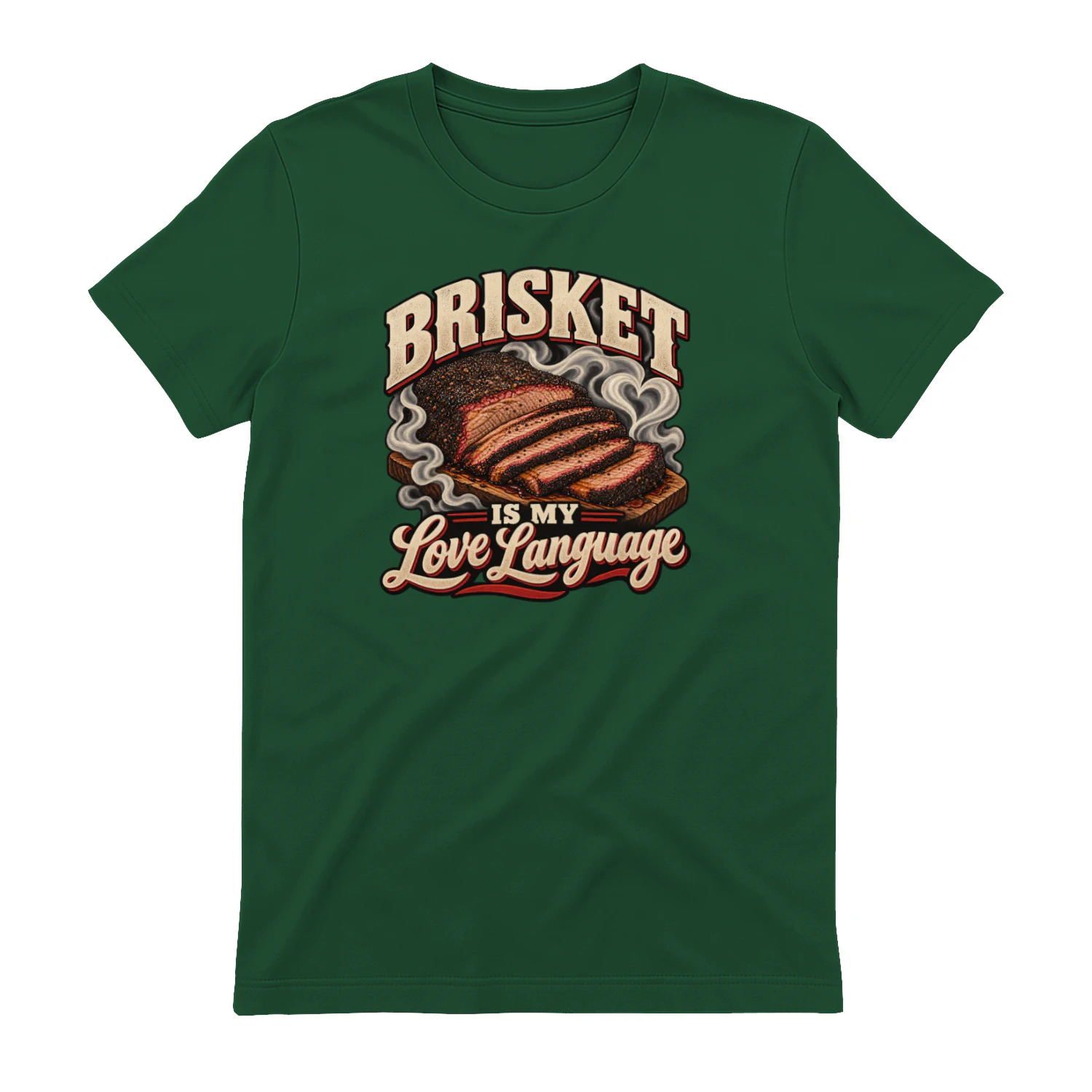
Brisket Is My Love Language
Official Pit Culture merchandise from Texas Thread Theory, built for people who live for fire, smoke and low-and-slow weekends.