When a charcoal grill runs too hot, the first instinct is often to remove fuel. When it runs cool, the instinct is to dump in more charcoal. Fuel quantity matters, but it is only half of the fire. Charcoal also needs oxygen, which is why the dampers on a kettle grill are real temperature controls rather than decorative vents.
Fire needs air to stay active
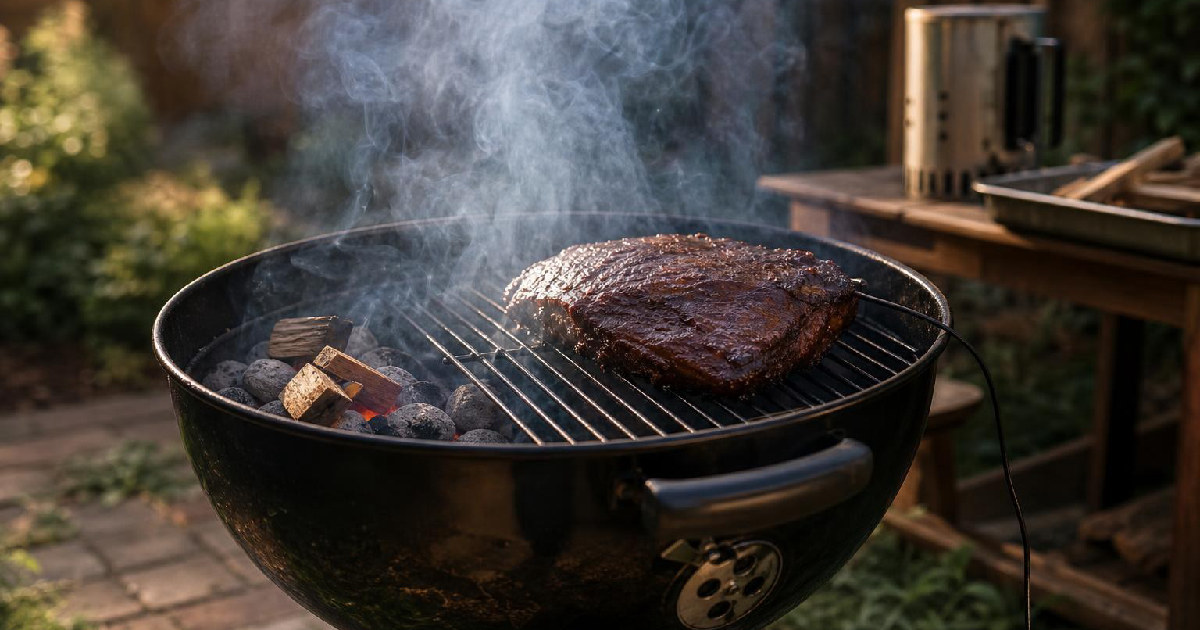
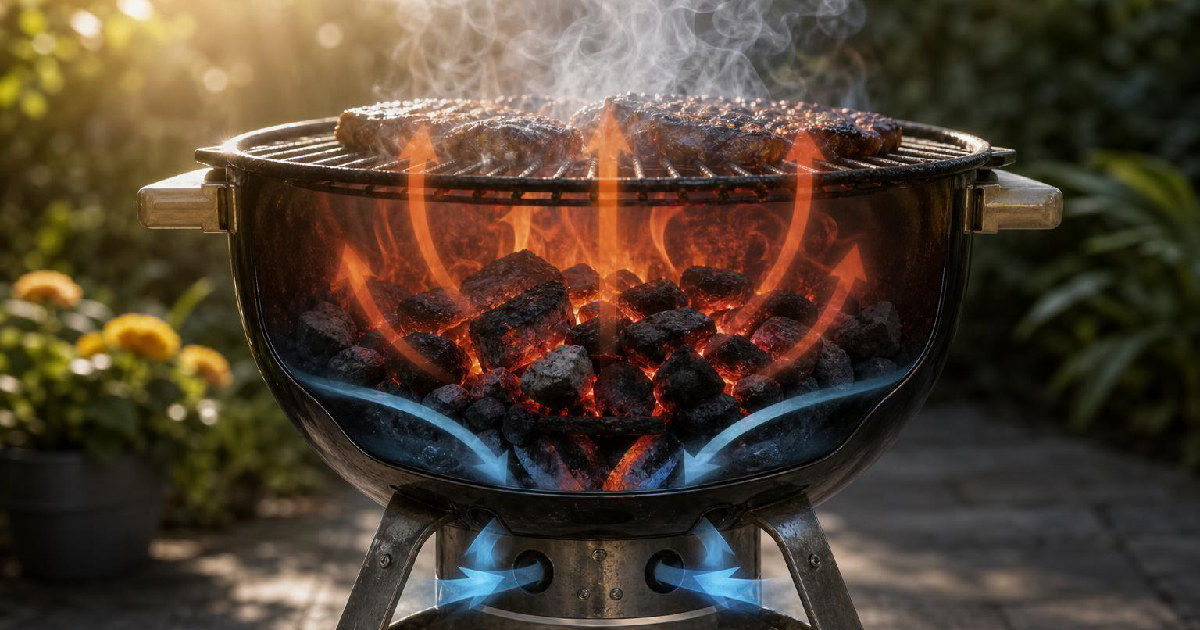
Combustion speeds up when the fire has more oxygen available. On a charcoal grill, the lower vents admit fresh air near the fuel and the upper vent gives hot exhaust somewhere to leave. That flow pulls oxygen through the fire.
Weber's temperature-control guidance states the principle plainly: more air makes the grill hotter; less air makes it cooler. Closing the vents completely is also how many charcoal grills extinguish the fire after cooking.
Make small changes and give them time
A charcoal grill does not respond like a gas burner knob. Change a damper and the fire needs time to react. If you keep opening and closing vents every minute, you can chase the temperature in both directions without ever letting the cooker settle.
Make a small adjustment, close the lid, and watch the trend. Wind, outside temperature, ash buildup, fuel type, and the amount of food in the grill can all change how quickly the cooker reacts.
Airflow problems can look like fuel problems
A grill packed with ash may struggle even when there is plenty of charcoal left. Blocked lower vents and a dirty ash area reduce the oxygen reaching the fire. Before adding more fuel to a grill that seems weak, make sure the airflow path is open.
The same idea applies when the grill is excessively hot. A wide-open fire with abundant oxygen can run much hotter than a deliberately restricted low-and-slow setup.
Fuel amount still matters
Airflow is not magic. A tiny pile of charcoal cannot produce the same sustained heat as a full fuel load, and a long barbecue cook may require additional fuel. The point is that charcoal quantity and airflow work together.
A common low-and-slow setup starts with a controlled fuel bed and then uses vent adjustments to maintain the fire. High-heat grilling starts with a stronger bed of lit fuel and freer airflow.
The practical takeaway
Think of charcoal temperature as a conversation between fuel and oxygen. The charcoal provides energy; the dampers control how aggressively the fire can use it. Keep the ash path clear, make measured vent adjustments, and give the grill time to respond before deciding the fire needs more charcoal.
PIT CULTURE MERCH
Two Pit Culture designs from Texas Thread Theory for people who live for fire, smoke and low-and-slow weekends.
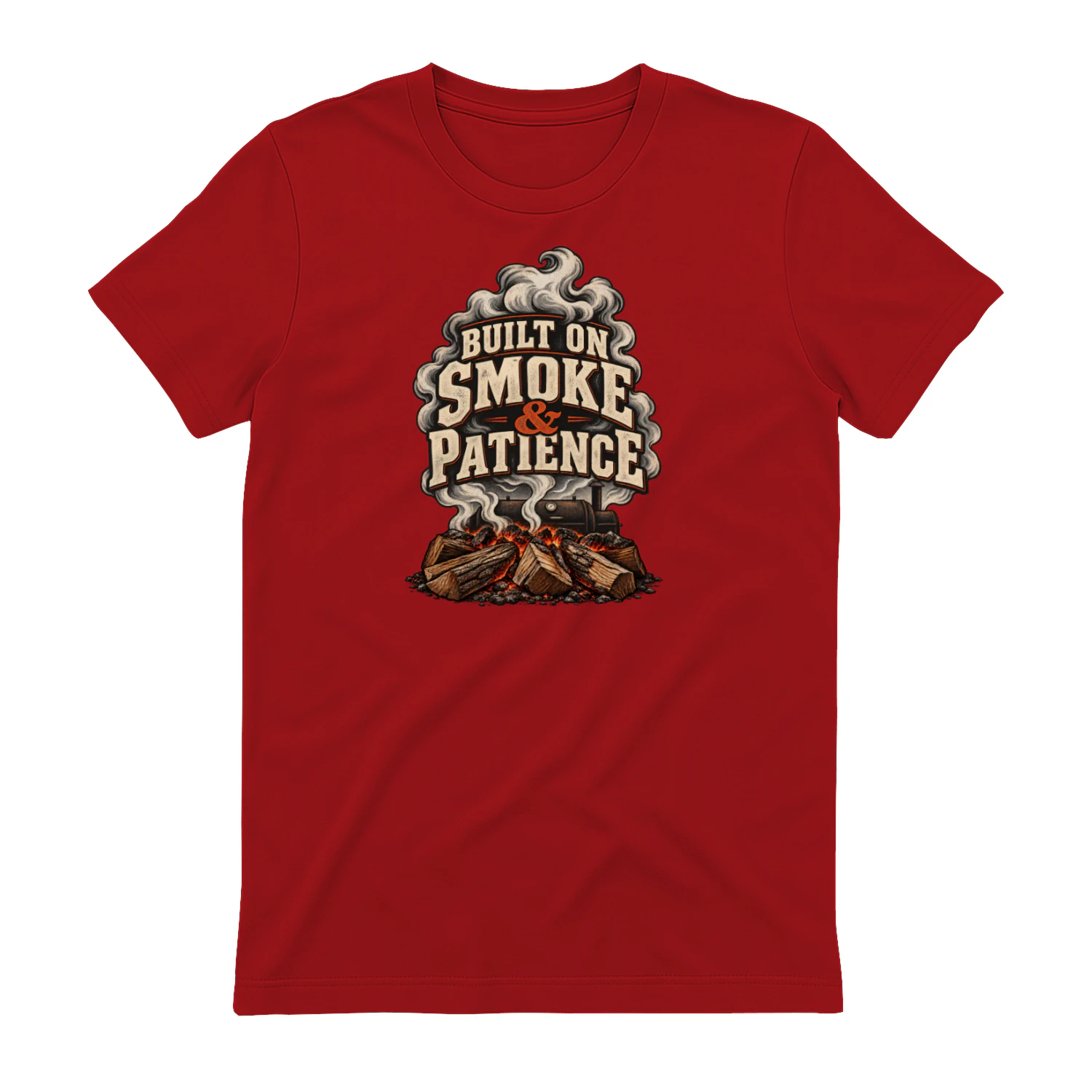
Built on Smoke & Patience
Official Pit Culture merchandise from Texas Thread Theory, built for people who live for fire, smoke and low-and-slow weekends.

Chasing the Perfect Bark
Official Pit Culture merchandise from Texas Thread Theory, built for people who live for fire, smoke and low-and-slow weekends.