EXPLORE
Search Pit Culture or narrow the library by content type, collection, category and topic.
SEARCH RESULTS
83 results

Three Ways to Fit Ribs in an Electric Smoker—and What Changes on the Plate
Christie Vanover tests three rib cuts in a compact electric smoker. The full slab wins her moisture comparison; individual ribs offer more bark and a faster finish.

Weber Smart Charcoal Still Starts With the Fire: An AmazingRibs Walkthrough
AmazingRibs visits Weber for a smart-charcoal demonstration, showing the airflow controls and fire layouts behind the system without presenting it as a completed review.

Oyster Blade Pulled Beef: Aaron Palmer's Bark, Wrap and Rest
Low n Slow Basics shows an oyster blade cook on a drum smoker, building bark before a foil wrap and saving the juices for the final pull.
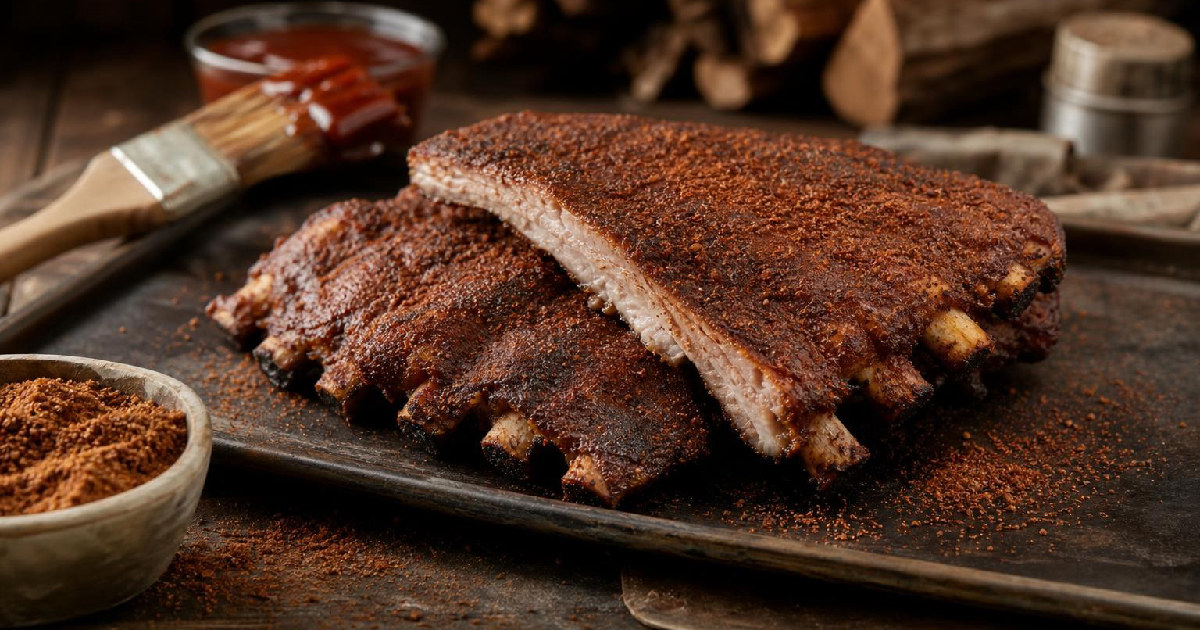
Memphis Barbecue Is Not All Sauce: Dry-Rub Ribs Are Part of the City’s Identity
Memphis barbecue includes both sauce and dry-rub traditions, with paprika-forward spice blends and iconic dry ribs helping define the city’s barbecue identity.

How Mad Scientist BBQ Turned a Smoker Into a Cheesecake Oven
Jeremy Yoder’s smoked Basque cheesecake works because he treats the smoker like a hot, wood-fired oven, not a place to add smoke for its own sake. The method is simple on paper—cream cheese, eggs, cream, sugar, flour, plus a few optional accents—but the important part is how.
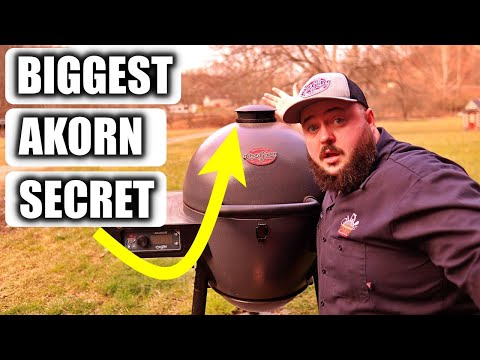
The Akorn Kamado Fix That Keeps a Sticky Top Vent from Ruining Control
A stiff top vent is easy to ignore until cold grease turns it into a real problem. In this companion feature, Cookout Coach shows how a heavily used Char-Griller Auto Kamado can develop buildup in the vent track, why that buildup matters for low-and-slow cooking, and how a.
Low & Slow
Official Pit Culture merchandise from Texas Thread Theory, built for people who live for fire, smoke and low-and-slow weekends.
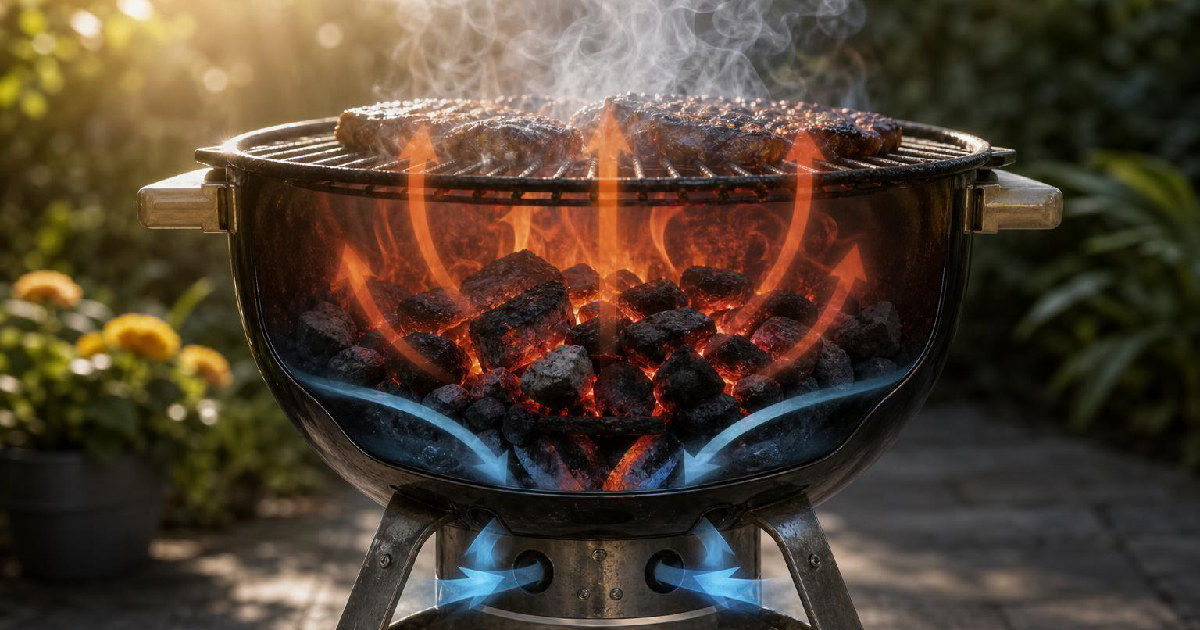
Your Charcoal Grill Temperature Is Controlled by Air as Much as by Fuel
Charcoal temperature control is largely airflow control: opening dampers feeds the fire more oxygen, while reducing airflow slows combustion and lowers the grill temperature.
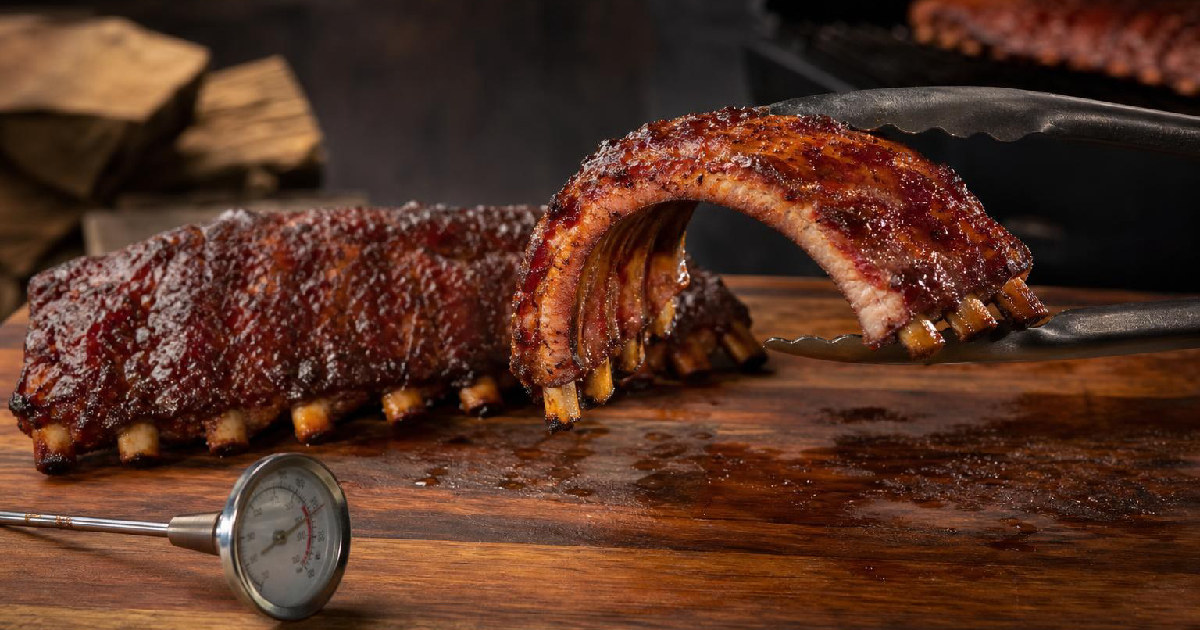
Ribs Are Done When They Bend, Not When the Clock Says So
Pork ribs can be food-safe before they are barbecue-tender. Learn how temperature, bone pullback and the bend test work together to tell you when a rack is actually ready.

Inside the Bearded Butchers’ Beef Jerky Method: Cut, Cure, Slice, Dry
The Bearded Butchers walk through beef jerky from whole-round breakdown and grain-aware slicing to curing, marinating, smoking, and final drying.

Why Smoked Roast Beef Works So Well for a Week of Sandwiches
The appeal of smoked roast beef in this video is not just the bark or the smoke. It is the way one lean roast gets turned into a week’s worth of usable food. Chiles and Smoke keeps the method narrow and practical: eye of round, a savory binder, a generous beef seasoning, a.

What Kosmos Q’s Live-Fire Tri-Tip Cook Gets Right About Fire, Grain, and Patience
Kosmos Q’s live-fire tri-tip cook is a lesson in controlling the fire, adjusting grill height, resting the meat, and slicing correctly as the grain changes.
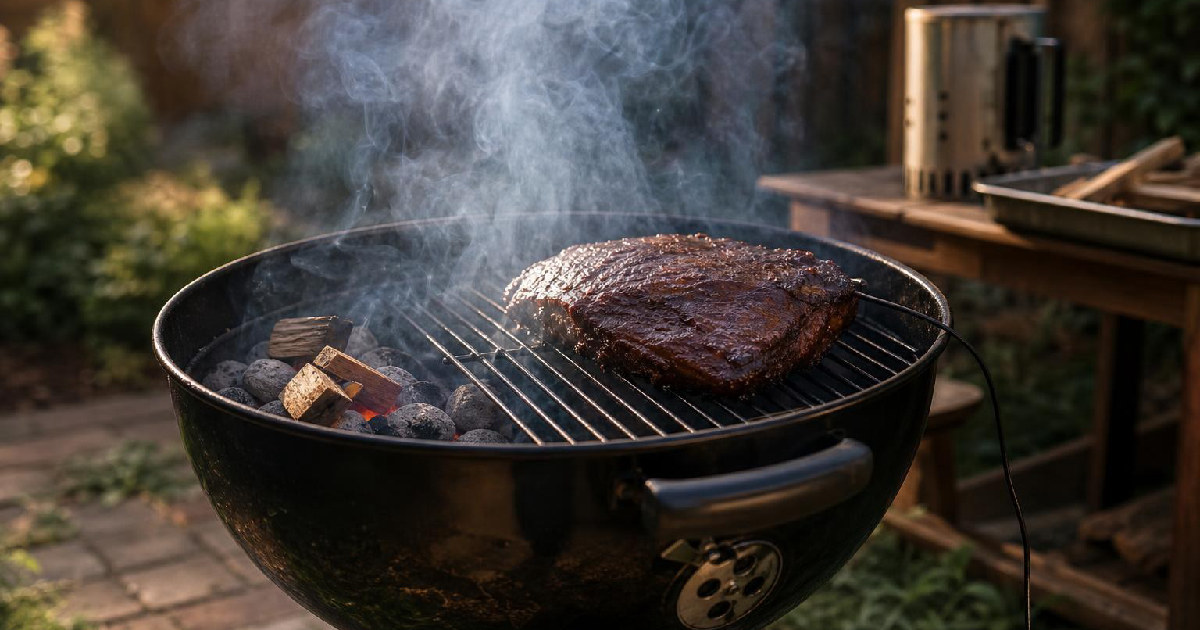
A Kettle Grill Can Smoke Low and Slow If You Control the Air
The secret to smoking on a kettle grill is not a gadget. It is managing airflow, indirect heat and fuel so the fire burns steadily instead of racing.

What Makes a Pepper-Crusted Steak Feel Bistro-Fancy at Home
Steak au poivre sounds like restaurant fare, but this video keeps it grounded in a backyard-friendly rhythm: season the steak, crack the pepper coarsely, sear hard in cast iron, then build a brandy cream sauce from the pan drippings. BBQ and Bottles uses New York strip steaks.
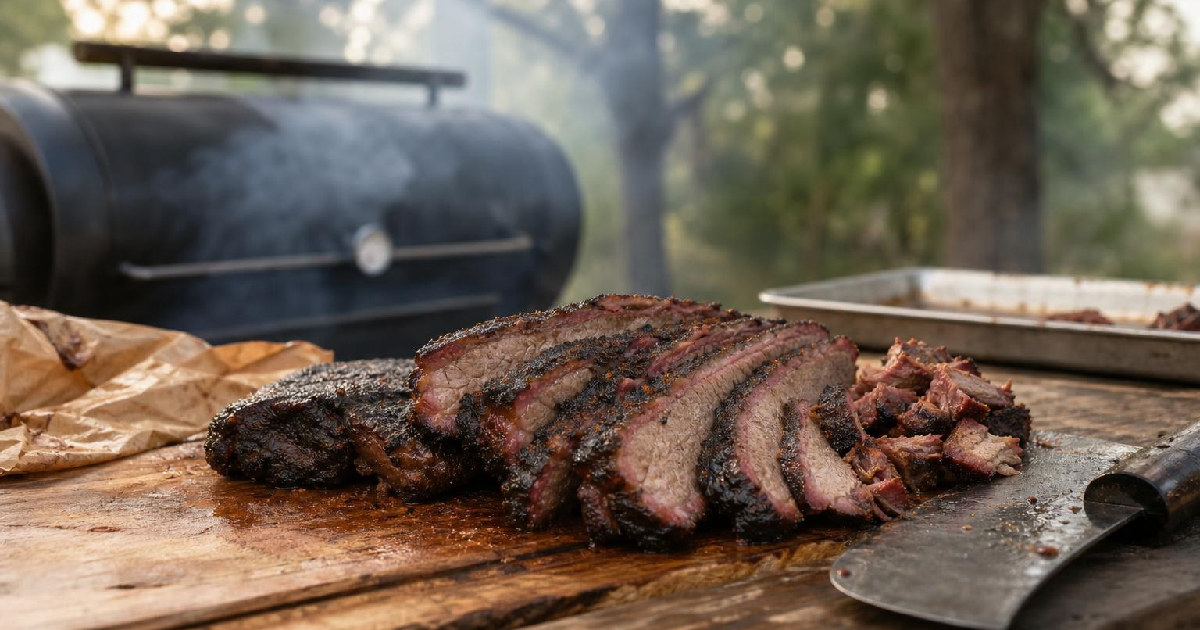
Entry-Level Pitmasters Get a Shot at Memphis in May Through the Carriage Crossing Cookout
The Carriage Crossing Cookout is designed for entry-level pitmasters, with a grand prize that includes paid entry into the 2027 Memphis in May Patio Porkers division or a cash alternative.

Why Grillin With Dad’s Smoked Cowboy Casserole Works as a True One-Skillet Meal
Grillin With Dad turns ground chuck, peppers, onion, corn, beans, and Rotel into a smoked one-skillet casserole finished with a cornbread topping on the grill.
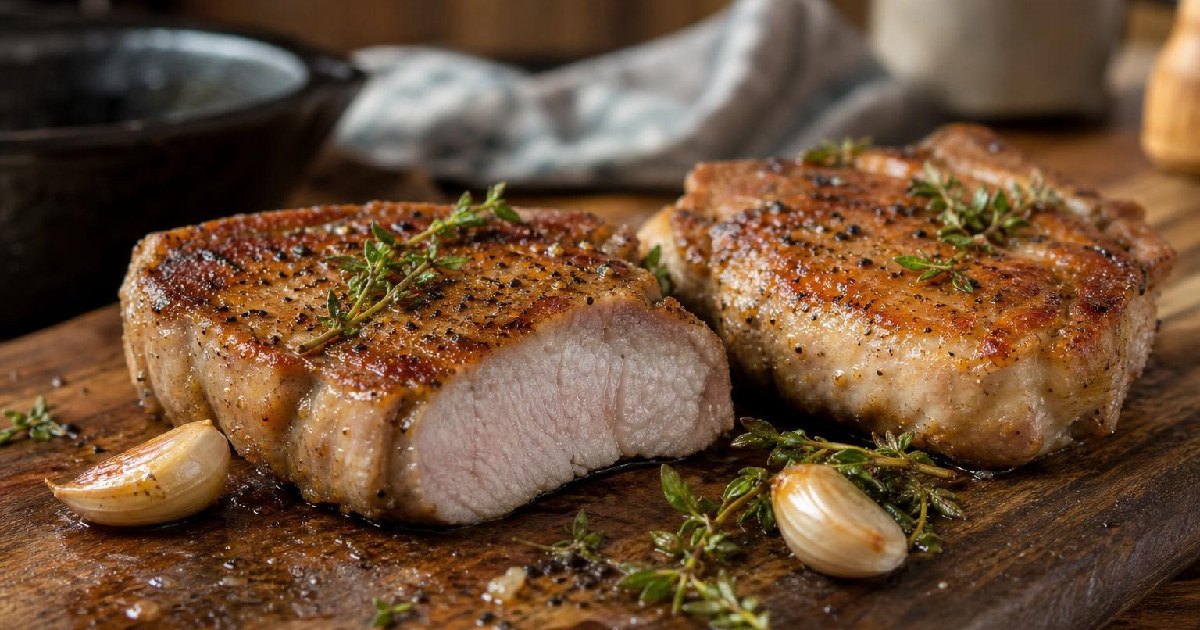
Pork Chops Do Not Need 160°F: USDA Says 145°F With a Three-Minute Rest
USDA guidance calls for whole pork steaks, chops, and roasts to reach at least 145°F followed by a three-minute rest, while ground pork should reach 160°F.
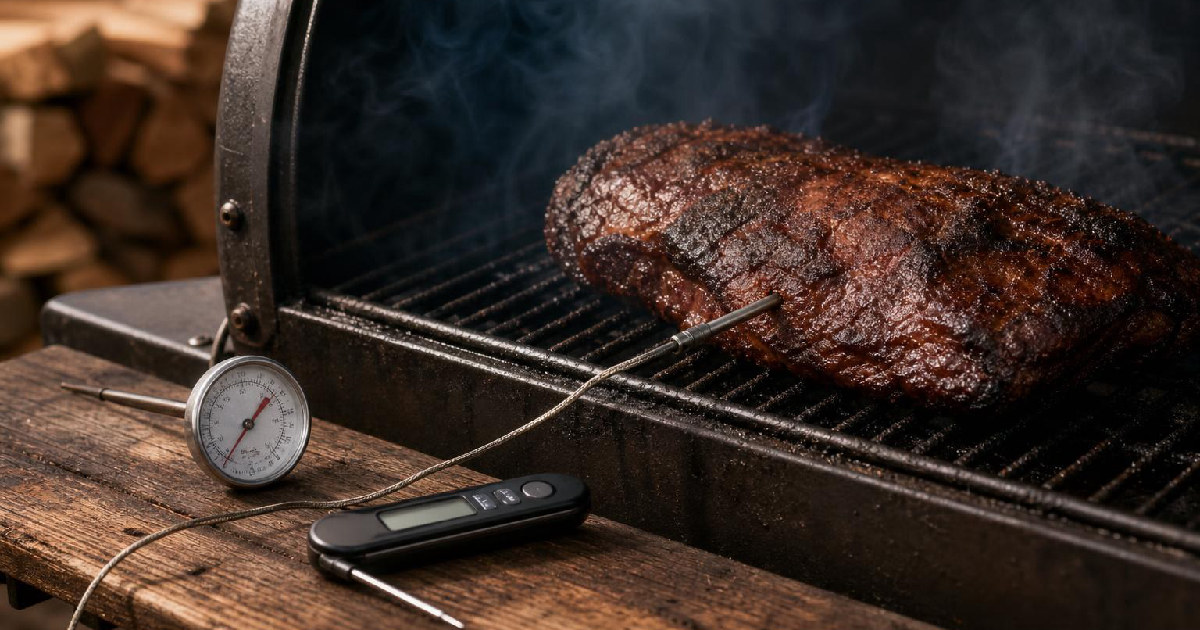
Smoking Meat Safely: The Two Thermometers Every Pit Should Have
USDA guidance calls for monitoring smoker temperature and checking the food itself. Here is how to build those two readings into a practical smoking routine.

Can a Brisket Finish at 177°F? Kosmos Q Builds the Case With a Flat, a Rest, and a Sandwich
Kosmos Q’s brisket video is built around a simple dare: finish at 177°F and still get a tender, enjoyable result. Instead of arguing the point, he stages the cook around a trimmed flat, an overnight run on a Traeger Timberline, and a long enough rest to make the next day’s slice.

How LeRoy and Lewis Turns One Cut of Beef Into Two Different Tacos
Evan LeRoy’s beef cheeks cook is less about a single recipe than about a restaurant’s way of thinking. One cut becomes two dishes, and both depend on trimming, smoke, tallow, and a careful read on tenderness.
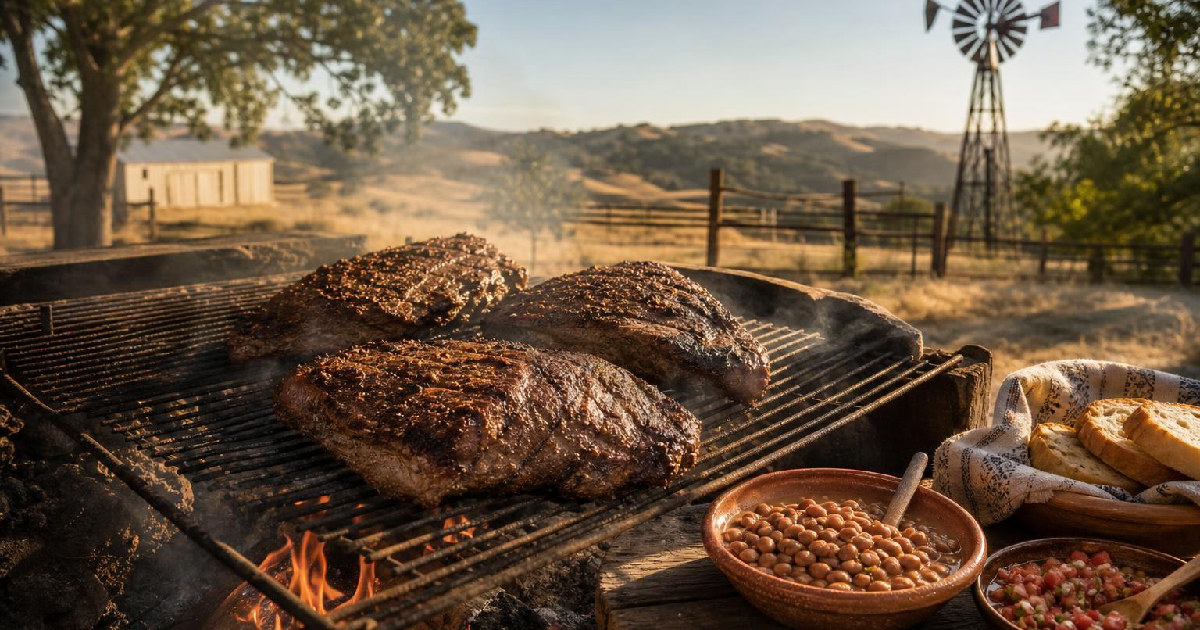
Santa Maria Barbecue Is a Full Tradition, Not Just a Tri-Tip Recipe
Santa Maria Style barbecue grew from Central Coast ranch traditions and is built around red-oak cooking, simply seasoned beef, pinquito beans, bread, salsa, and a specific regional menu.
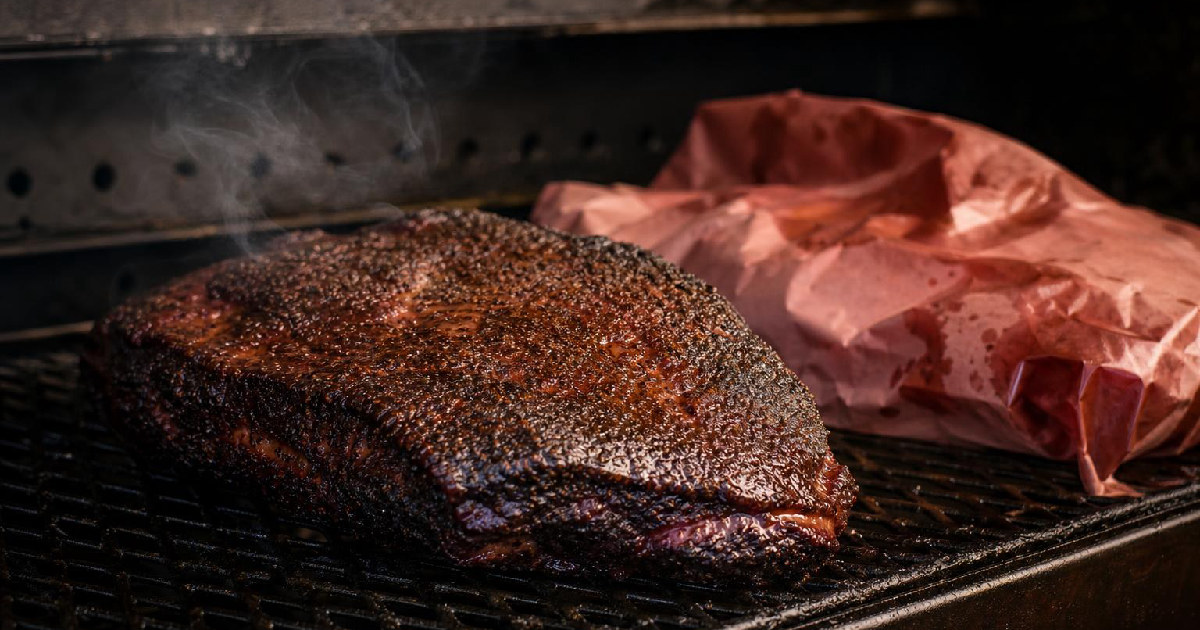
The Brisket Stall Is Normal: What Wrapping Actually Changes
Brisket can sit in the mid-150s to mid-160s for hours. Here is why the stall happens, when wrapping helps, and why tenderness matters more than racing the clock.

Why Malcolm Reed Treats Pork Tenderloin Like a Two-Stage Grill Cook
Malcolm Reed’s pork tenderloin method is built around one simple idea: protect a lean cut early, then finish it fast. The brine adds flavor from the inside, the two-zone fire keeps the meat from running past done, and the glaze gives the outside enough color to read as barbecue.

Why This Episode Sees Barbecue as Both a Harder Business and a Wider Culture
This Week in Barbecue covers a lot of ground, but its strongest thread is simple: barbecue is expanding culturally while getting harder to sustain financially. Rasheed Philips and James Welch move from Windy City Smokeout and the new Food Network competition Pit Masters to the.