What steak au poivre means in this kitchen
The cleanest way to read this cook is simple: steak au poivre is a pepper-crusted steak finished with a pan sauce, and BBQ and Bottles treats it like a home version of a French bistro plate. Jared opens by saying the dish translates to steak with pepper, and that is exactly how the method is built. There is no long marinade, no elaborate rub, and no complicated grill setup. The steak gets salt, a heavy coating of cracked black pepper on one side, a hard sear in cast iron, and then a sauce made from the pan itself.
That structure matters because the video is not trying to reinvent steak. It is showing how a familiar cut can shift into a different register with just a few deliberate moves. The result is still steak, but the pepper crust and the cream sauce push it toward a richer, more restaurant-style finish.
Why the pepper crust is coarsely cracked
The pepper step is the heart of the whole cook. Instead of using a pepper mill and fine dust, Jared cracks whole peppercorns into coarse pieces and presses those chunks onto one side of each steak. He even calls out the reason: finely ground pepper would burn in the pan, while coarser granules can hold up during the sear.
That choice changes the finished steak in two ways. First, it gives the crust real texture. Second, it keeps the pepper flavor present without turning bitter. The video makes clear that the crust should be thick, packed in, and uneven in the best possible way. The goal is not a neat dusting. It is a bold pepper shell that can stand up to the heat.
Jared uses New York strip steaks for the cook, but he also says the same approach works well with filet mignon and ribeye. In other words, the method is flexible, as long as the cut is tender enough to benefit from a fast sear and a sauce finish.
Cast iron, butter, and the first sear
Once the steaks are seasoned and peppered, the pan work starts. The skillet goes on the side burner of the gas grill and is heated until the surface is reading a little over 450 degrees. Avocado oil goes in first because it is neutral and suited to the high-heat sear. The steaks enter pepper side up so the first browned surface forms on the unpeppered side before they are flipped.
The timing is straightforward rather than fussy. After a few minutes, the steaks are turned and the pan gets butter, thyme, shallots, and garlic. Jared tilts the skillet and bastes the meat with the butter, letting the hot fat run over the top surface to help build color and finish the sear. He describes this as the usual cast-iron steak method, and that is what makes the video easy to follow: the au poivre twist changes the flavor, but not the basic rhythm.
This part of the cook is also where the steak starts to look less like a weeknight protein and more like a plated dinner. The pepper crust darkens, the butter foams, and the aromatics fold into the pan.
Building the brandy cream pan sauce
The sauce is where the dish fully turns into steak au poivre. After the steaks move off to finish on indirect heat, the pan gets brandy and the rest of the garlic. Jared adds rough cracked black pepper as well, and he notes that green peppercorns marinated in oil would be the proper ingredient if you had them. He does not use them here, but he is clear that they are the traditional direction.
The important part is how the sauce starts to work with the fond. The browned bits on the bottom of the skillet loosen when the brandy goes in, and that release is treated as the base of the sauce rather than as cleanup. Then heavy cream enters the pan, and the mixture is simmered until it reduces and thickens enough to coat the back of a spoon.
That is the whole logic of the sauce: it carries the flavor left behind by the steak, then stretches it into something richer. Jared describes the color as deeply brown and the aroma as strong, and the camera makes it obvious that the pan is doing a lot of the work here. The sauce does not sit beside the steak as a garnish. It becomes the main bridge between the meat and the plate.
What the finished steak tastes like
The taste test gives the video its most useful real-world answer. Jared says the pepper is clearly present, but less aggressive than he expected. The heat or bite he anticipated gets mellowed by the cook, though the pepper flavor still comes through. That is a useful distinction for anyone who worries that au poivre means an overwhelmingly spicy steak.
He is also candid about the sauce’s effect on the beef itself. The cream, shallots, garlic, and brandy create a very forward sauce profile that can cover some of the steak’s own flavor. In his view, that might be exactly why this style works so well with a higher-grade steak: the beef still shows through, but the sauce is doing enough work to justify the method.
He even extends that idea to cheaper cuts. If you buy a less expensive steak, the sauce can help carry the meal by adding depth and masking some of what would otherwise read as lesser beef. That is not a value judgment on the cut so much as a practical observation about how this dish behaves at the table.
How to plate it for a home dinner
Jared shows two plating options, and both tell you something about how he sees the dish. One version leaves the steak whole and rests it over a bed of sauce. The other slices the steak into thick pieces and fans them back together before spooning sauce over the top. Either way, the sauce is not optional decoration. It is part of the presentation.
He suggests serving it with French fries or grilled asparagus, which keeps the plate in a bistro lane without making it feel formal. That is probably the best way to understand the whole recipe. It is dressed up, but not fussy. The cast iron skillet, the gas grill side burner, and the indirect finish all keep it rooted in a home cook’s setup.
The final impression is of a steak night that has a little more structure than the usual salt-and-sear routine. The pepper crust brings the bite, the pan sauce brings the richness, and the whole dish lands somewhere between backyard technique and restaurant polish.
Watch the original video: https://www.youtube.com/watch?v=f4ZNRiWuaXE
PIT CULTURE MERCH
Two Pit Culture designs from Texas Thread Theory for people who live for fire, smoke and low-and-slow weekends.
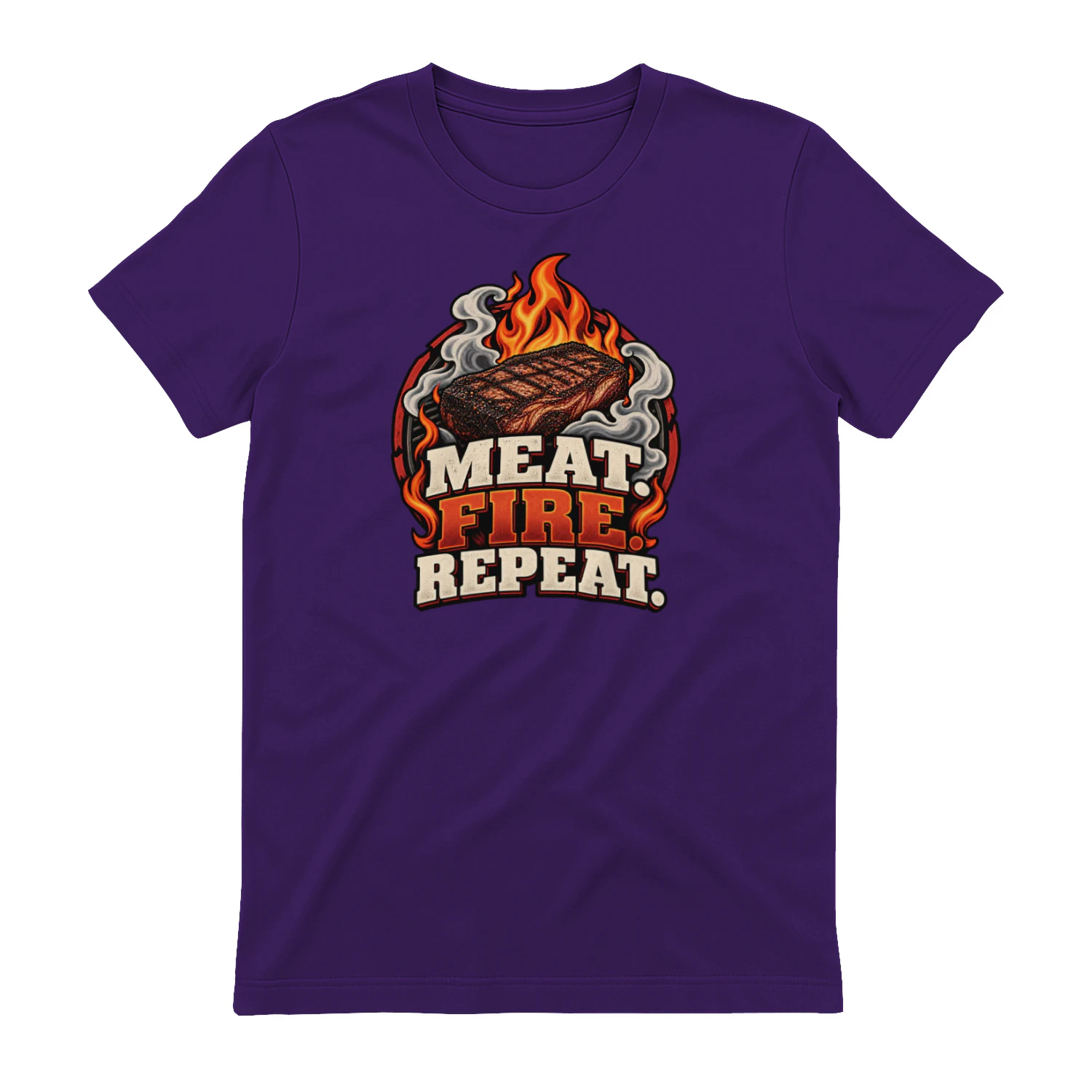
Meat. Fire. Repeat.
Official Pit Culture merchandise from Texas Thread Theory, built for people who live for fire, smoke and low-and-slow weekends.
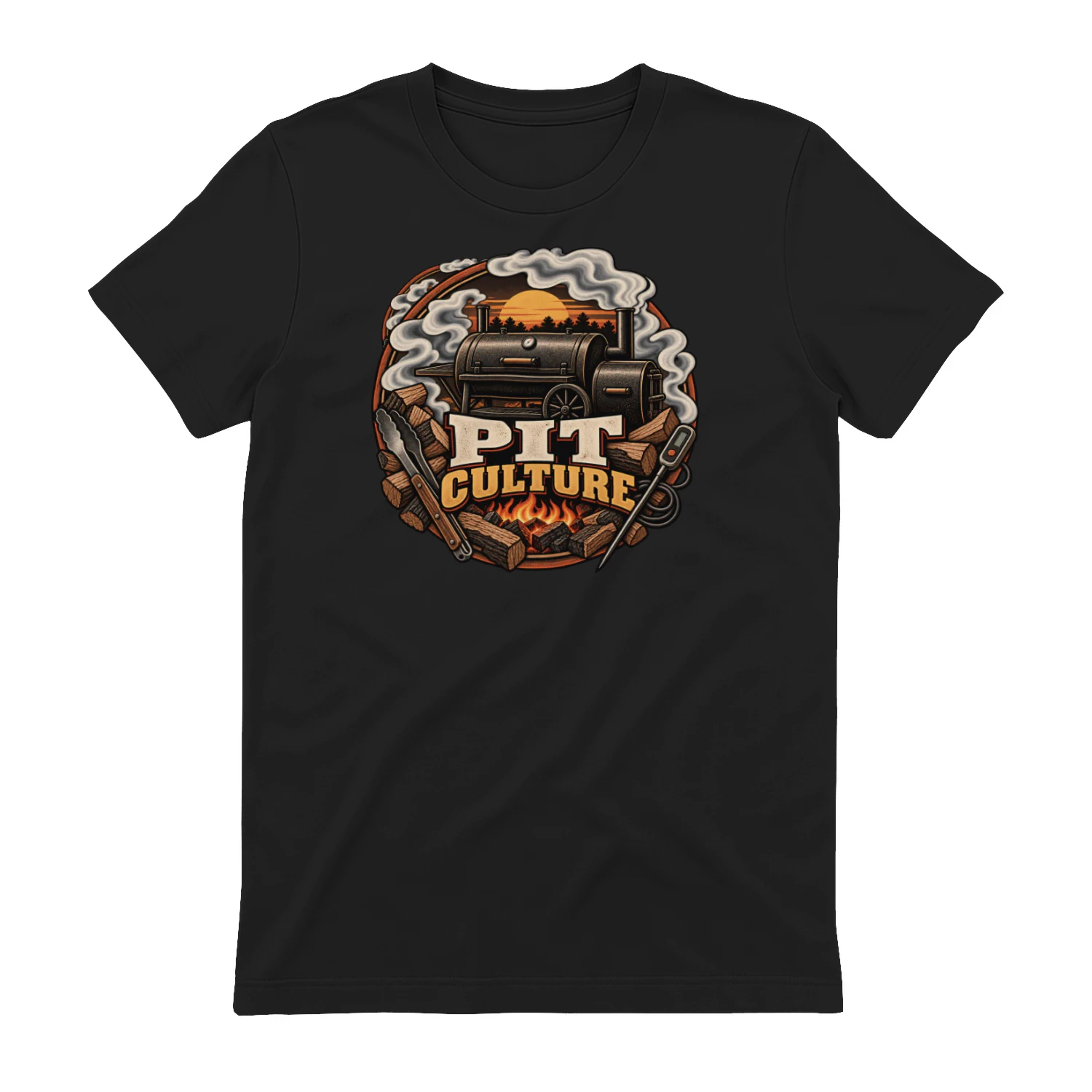
Pit Culture Around the Pit
Official Pit Culture merchandise from Texas Thread Theory, built for people who live for fire, smoke and low-and-slow weekends.
