Why this steak test matters
BBQ and Bottles frames this cook around a question backyard grillers ask all the time: does steak really taste different when it comes off charcoal instead of gas? The video does not try to turn that into a theory lesson. It answers the question the simplest way possible by cooking two thick New York strips under nearly matching conditions and then tasting them side by side.
The direct takeaway is easy to state up front. Both steaks came out well. Both were cooked to medium rare. But the charcoal steak carried a more obvious smoky, fire-forward flavor, while the gas-grilled steak leaned into convenience without embarrassment. That is the basic tradeoff the video captures.
How the two steaks were kept close enough to compare
Jared starts with two Canadian AAA beef New York strips, each about an inch and a half thick. That thickness matters, because it gives him room to use a reverse sear and still land in the medium-rare zone without rushing the cook. Before either steak hits heat, he seasons both generously with kosher salt and lets them sit out for about 20 minutes so the surface can lose its fridge chill a bit.
That setup gives the comparison a useful structure. He is not comparing two different cuts, two different thicknesses, or two wildly different seasoning approaches. He is comparing heat sources, not cooking skill or meat quality.
On the charcoal side, he uses a Tomahawk Joe-style grill setup with a charcoal basket topped off with fresh lump charcoal. He lights it in several spots with a blow torch, closes the lid, opens the vents, and works toward a grill temperature in the 250 to 300 degree range for the indirect phase. On the gas grill, he pushes the temperature far higher at the start so he can build the crust quickly before moving to indirect heat.
That difference in heat management is part of the story. The charcoal cook begins as a slower, indirect roast before it turns into a hot sear. The gas cook starts with a very aggressive sear, then finishes indirectly.
What the crust and temperature control showed
Both steaks are monitored closely with probes in the thickest part of the meat. That keeps the video from becoming a guess-and-check exercise. Jared is watching internal temperature throughout, and that matters because reverse-seared steak is easy to overshoot if you stop paying attention once the crust looks right.
For the charcoal steak, he brings the meat up gradually, then removes it around 120 degrees internal before moving it to ripping hot coals for the final sear. For the gas steak, he also pulls it once it reaches the finish line, around 130 degrees internal. In both cases, the goal is the same: a rested medium-rare steak with a browned exterior and a juicy center.
Visually, the results are close. The gas steak develops strong grill marks early, while the charcoal steak finishes with a darker, more even crust. Jared even notes that the two crusts end up more similar than you might expect from the different fuel sources. The bigger difference is not dramatic striping or some magical pattern on the surface. It is the overall character of the crust and the flavor underneath it.
One useful detail from the video is the way he handles the fat cap on the New York strip. On both steaks, he gives it a separate moment over the heat so the fat can render and pick up color without burning. That small step helps explain why the steaks finish looking complete rather than just branded with marks and pulled off early.
What Kai and Jared actually tasted
The real test comes at the end, when Kai, the videographer, is brought in for a blind taste test. Jared slices both steaks, mixes up the forks, and lets Kai identify which one is which without seeing the difference first.
Jared does his own quick taste before the blind comparison, and his reaction is telling. He likes the gas steak just fine and presents it as a perfectly reasonable option if convenience is the main goal. But when he tastes the charcoal steak, he immediately notices a distinct difference. He does not frame that difference as some massive technical gap. Instead, it reads as a more obvious fire and smoke presence.
Kai lands on the same conclusion from a different angle. At first he describes the steak as melting in his mouth, which speaks to the success of the reverse sear itself. Then, when asked to identify the charcoal piece, he gets it right. His explanation is simple: the charcoal steak tastes like it smells. In other words, the smoke and fire character that hangs around a charcoal cook shows up in the meat too.
That is probably the most useful sentence in the whole video. It does not say charcoal is always better. It says charcoal changes the sensory profile enough that a blind taster can pick it out.
Charcoal flavor, gas convenience, and the actual takeaway
The temptation with a comparison like this is to turn it into a winner-and-loser story. The video is a little more practical than that. Gas grilling still works. If someone wants a good steak without managing a bed of coals, the gas-grilled strip is clearly capable of delivering one.
But the charcoal steak has a deeper flavor signature. Jared describes it as a richer fire-and-charcoal profile, and that is what he says pulled him into barbecue in the first place. The video connects that personal history to the result without turning it into a speech about authenticity. It just shows the preference in action.
That makes the cook useful for viewers who are trying to decide where to invest their effort. If the main goal is speed and ease, gas makes sense. If the main goal is the flavor that comes from live coals and a little smoke, charcoal gives you something the gas grill does not quite duplicate in this test.
The strongest part of the video is that it respects both methods without pretending they are identical. The gas steak is not a consolation prize. The charcoal steak is not a miracle. Instead, the comparison lands where a lot of backyard cooks probably already suspect it will: technique matters, but fuel still changes the result.
Watch the original video: https://www.youtube.com/watch?v=ylfus05NLfI
PIT CULTURE MERCH
Two Pit Culture designs from Texas Thread Theory for people who live for fire, smoke and low-and-slow weekends.

Brisket Is My Love Language
Official Pit Culture merchandise from Texas Thread Theory, built for people who live for fire, smoke and low-and-slow weekends.
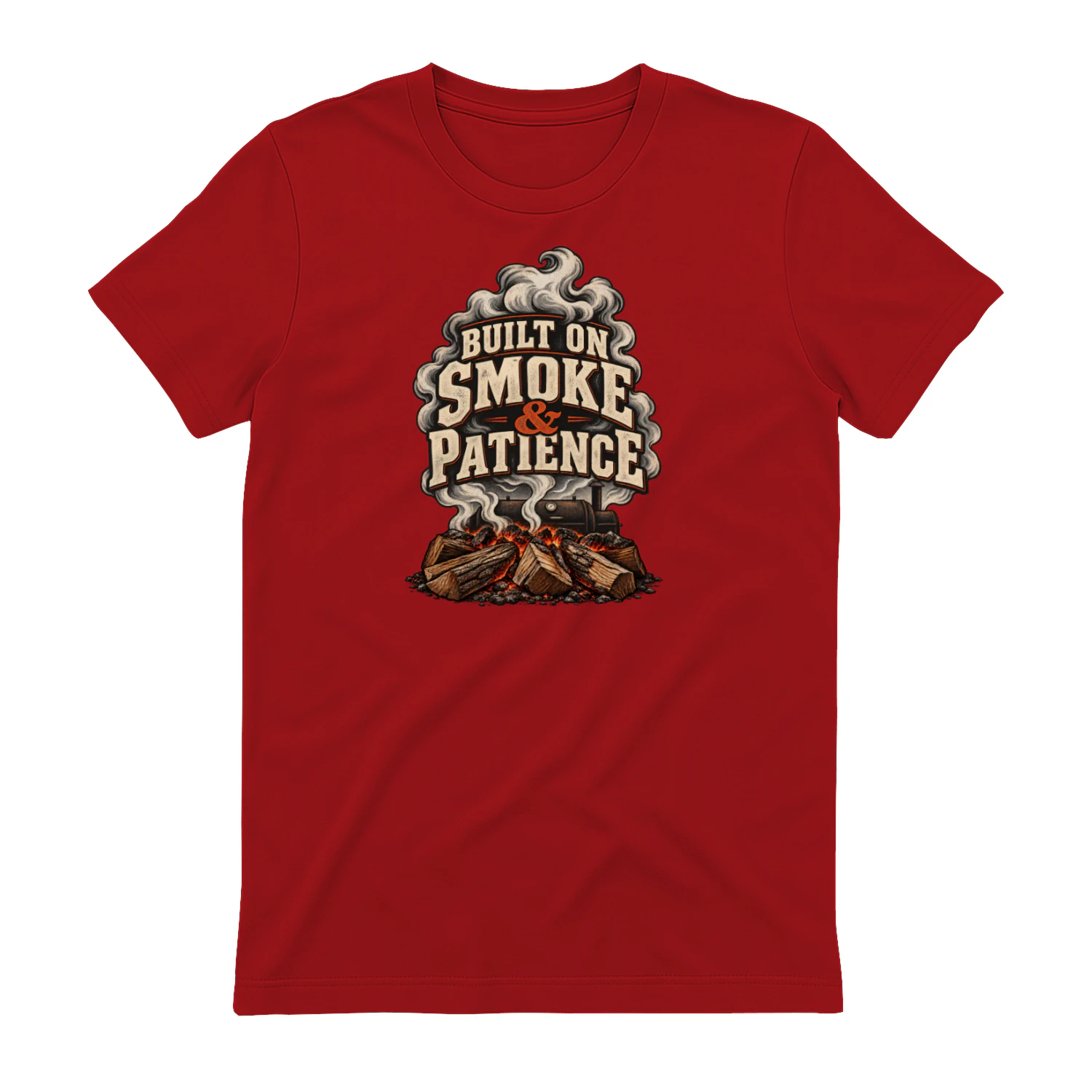
Built on Smoke & Patience
Official Pit Culture merchandise from Texas Thread Theory, built for people who live for fire, smoke and low-and-slow weekends.
