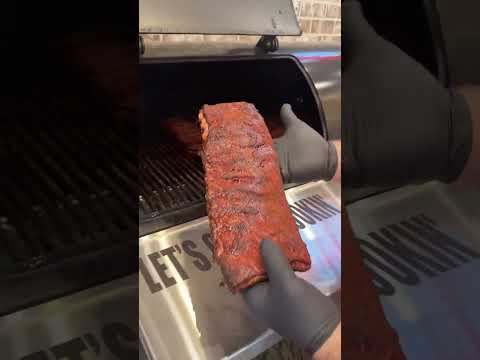
Why pork tenderloin needs a different grill approach
Pork tenderloin can feed a lot of people, but it does not give you much margin for error. That is the problem Malcolm Reed is solving in this cook. His answer is not to bury the meat under a complicated rub pile or leave it over heat for too long. Instead, he treats pork tenderloin like a cut that needs help early and protection late. The direct answer is simple: brine it briefly, cook it on the cooler side of a two-zone fire, then glaze and sear it fast before a short rest.
That approach matters because the tenderloin is lean and small enough to overcook quickly. Reed keeps the method focused on what the meat actually needs: flavor from the brine, gentle heat to bring it up, and only a short time over the coals at the end.
The brine is doing the heavy lifting
Reed starts with a brine made from bird brine, barbecue rub, and apple juice. He even explains why he reaches for a product meant for poultry: it brings salt, sugar, herbs, and spices in a mix that also works on pork. That tells you a lot about the cook. This is not about following a rigid category label. It is about using a seasoned liquid that can get inside a small cut quickly.
He says the tenderloins are small enough to soak up a lot of flavor in about an hour, and the actual soak in the video runs a little over that. He also takes care to whisk the brine so the seasoning dissolves as much as possible before the pork goes in. That detail is practical, not decorative. If the brine needs to work fast, it helps to have the mix already blended.
The pork goes into a bag with the brine, and Reed uses a bowl underneath it in case of leaks. That is not a glamorous part of the cook, but it fits the whole way he handles the recipe: keep it simple, keep it contained, and keep moving.
A lean cut needs indirect heat first
After the brine, Reed pats the tenderloins dry enough for seasoning to stick, but not so dry that they lose the help the brine gave them. Then he seasons them with barbecue rub and adds hot rub for more bite on the outside. The idea is not to bury the pork under seasoning. It is to build a surface that will turn into a light bark-like crust once it hits the grill.
From there, he builds a two-zone fire with lump charcoal and settles the grill at about 300 degrees. That setup is the backbone of the cook. The tenderloins go on the cooler side first, away from direct heat. Reed watches their internal temperature and says he wants them around 125 to 130 before glazing starts.
That is the heart of the method. The first stage is for bringing the meat up gently. It is essentially a controlled pre-finish, and it keeps the tenderloin from spending too much time over hard heat before the outside is ready for it.
Glaze at the end, not the start
While the pork is coming up on the indirect side, Reed mixes barbecue sauce with a cherry pineapple glaze. He keeps that part simple too. The sauce is not there to become a thick coating from the beginning. It is there to finish the meat once the surface has already set up and the temperature is close.
That timing matters. If the glaze goes on too early, it can burn or turn sticky before the pork is done. Reed waits until the tenderloins are around 128 or 129, then brushes them and moves them over the hot coals. From there, he keeps flipping and rotating them until they reach roughly 140 to 145.
This is where the cook turns from roasting to grilling. He leaves the lid open and watches the coals do their work. The glaze picks up char, the surface darkens, and the pork gets that finished barbecue look without spending long enough over the fire to dry out.
The final temperature is what keeps the meat tender
Reed is very clear about what can go wrong here: overcooking. He says it is the worst thing you can do to pork tenderloin. That warning shapes the entire final stage. Once the meat is glazed and seared, he moves it to a cooler spot and then onto a sheet pan to rest under foil.
That resting step is not an afterthought. It gives the juices time to settle back through the meat before slicing. In the video, he waits about 10 minutes before cutting in. The result is exactly what the method is built to produce: tender slices with visible moisture and a little exterior char.
For a cut like this, the rest is part of the cook, not a pause after the cook.
How to serve it depends on the crowd
One useful thing about Reed’s approach is that it scales without changing the method. He points out that the tenderloins can be sliced thicker for dinner or thinner for sliders and party-style serving. That makes sense because the meat is doing double duty: it can be a main plate protein or a grab-and-go barbecue filling.
That versatility is part of why the recipe works. The tenderloin is not treated like a special-occasion project. It is treated like useful barbecue food. The brine gives it depth, the seasoning adds a surface layer, and the glaze gives it enough barbecue identity to stand on its own whether it is headed for a cutting board or a bun.
A simple method with clear guardrails
What stands out most in this cook is how few moving parts Reed actually keeps. He does not chase a long ingredient list or a complicated smoke profile. He leans on a few choices that each do a job: brine for flavor, seasoning for the outside, indirect heat for control, and a quick glaze-and-sear finish for color and texture.
That is why the video works as more than a recipe. It is a useful template for anyone trying to cook grilled pork tenderloin without drying it out. The method gives the meat support early and speed late. It is the kind of barbecue approach that looks straightforward because the choices are disciplined.
Watch the original video: https://www.youtube.com/watch?v=BMcJirSZACw
PIT CULTURE MERCH
Two Pit Culture designs from Texas Thread Theory for people who live for fire, smoke and low-and-slow weekends.

Sorry, Can't. I'm Smoking Meat.
Official Pit Culture merchandise from Texas Thread Theory, built for people who live for fire, smoke and low-and-slow weekends.

Trust the Pitmaster
Official Pit Culture merchandise from Texas Thread Theory, built for people who live for fire, smoke and low-and-slow weekends.