The direct answer: these ribs stay dry on purpose
Malcom Reed’s method for Memphis style dry ribs is not about stacking on more sauce or chasing a sticky glaze. The point is the opposite. He builds flavor and tenderness in layers, then finishes the ribs dry so the seasoning stays front and center. In this cook, that means cleanly trimmed St. Louis cut ribs, a straightforward rub application, a slow smoke, a brief tenderizing wrap, a long rest in a cooler, and one last dry seasoning pass before serving.
That structure matters because the video keeps coming back to a simple idea: good ribs come from good meat, good smoke, and patience. Everything else is there to support those three things.
Start with trim, shape, and a seasoning layer
Reed begins by cleaning up the racks before they ever hit the pit. He trims the St. Louis cut ribs, removes the membrane, squares them up, and takes off extra fat. He wants them to look good at the start because he expects them to look good at the finish.
That first step is more than cosmetic. The way the ribs are prepped tells you the rest of the cook will be handled the same way: neatly, deliberately, and without wasting motion. He lays down a good layer of rib rub, then turns the racks over and seasons the meat side too. He does not talk as if the seasoning needs a binder to work. He says meat juices will come out and help the rub cling on their own, though he also notes that mustard or oil would be fine if that is what someone prefers.
What stands out here is restraint. He is not trying to turn the rub into a marinade or bury the pork under a thick paste. He wants seasoning and smoke to do the work.
Smoke, spritz, and let the bark set
The pit takes about 40 minutes to get where he wants it, and he lets it come up slowly so the metal heats evenly. Once the ribs go on, he is careful about placement. He makes a point of setting them straight and leaving enough space for air and smoke to move through the pit. That detail sounds small, but in the video it is part of the method: the ribs cook how they are positioned.
After about 45 minutes, he checks them and sees color starting to develop. He also notices they are starting to dry a little, so he gives them a light mist with plain tap water. He is specific about why he uses water and nothing else: he does not want to wash flavor off the surface. The spritz is there to keep the bark from drying out too quickly, not to add a new layer of taste.
He repeats that rhythm once more after another 45 minutes. By then, the rub has adhered well and the ribs are taking on the kind of color he wants before they get wrapped. It is a slow build, not a fast one.
Butter, hot honey, sauce, and the wrap
When it is time to tenderize the ribs, Reed reaches for a different set of ingredients. He cuts the rack a little, adds a stick of butter split in half, some hot honey, and a bit of vinegar barbecue sauce. Then he flips the ribs meat side down and folds the ends of the wrap in to seal them up.
This is the part of the cook that changes the texture. The ribs are still being handled carefully, but now the goal shifts from color to tenderness. He wants them back on the pit at 275 and easy to manage when they come out.
He watches for the ribs to flex. After about an hour and a half, he tests one and says that when it folds, it is done. That bend test is the clearest sign he uses to judge the cook. He is not chasing a clock alone; he is reading the rack.
The cooler rest does the heavy lifting
Once the ribs have been tenderized, they do not go straight to the board. Reed puts them into a party stacker cooler and holds them there for at least an hour, though in the video they sit longer. He comes back every 15 minutes to burp the cooler, opening it briefly and then closing it again so the heat can bleed off.
He explains the point plainly: the ribs are not supposed to keep cooking in there. They are supposed to stay warm, soak up moisture, and settle down before the finish. That rest matters because it gives the texture time to tighten up in a controlled way.
He also gives a sensory cue for when the wrap has done its job. When it smells like butter baking cookies, that is his signal that the ribs are ready to come out of the cooler and move to the last step.
The final dry seasoning pass is what makes them Memphis-style
After the rest, Reed pulls the ribs from the juices and dusts the tops with a little more of the same rib rub. He says he is drying them out on top and fortifying the flavor, especially in spots where some seasoning may have washed off during the tenderizing phase.
Then the ribs go back on the pit for only 15 to 20 minutes. This part is short on purpose. He does not want more smoke time or more braising. He wants the surface to dry back down enough to create the look and feel of a Memphis style eating dry rib.
That last pass is what defines the finished product. The ribs are not sauced at the end. They are not glazed over. They are served with the seasoning visible and the pork still juicy underneath it. Reed cuts into one, pulls the bone free cleanly, and shows the bite as a rib that can bend, separate, and still feel moist.
What the finished rib tells you about the method
The finished rib in this video is the result of several small decisions that all point in the same direction. Trim cleanly so the rack cooks evenly. Season with confidence, but do not overcomplicate it. Smoke patiently. Use plain water if the surface needs help. Wrap only when the bark has set and the color is right. Rest the ribs long enough for the moisture to settle back in. Then finish dry so Memphis style remains the point of the cook.
That is why the method works as a companion feature and not just a list of steps. It shows a way of thinking about ribs that values control over clutter. Reed never treats the sauce as the star. He treats the pork, the smoke, and the final dry finish as the whole story.
For anyone trying to understand Memphis style dry ribs from a practical angle, this video answers the main question clearly: you can build a rib that eats like it has plenty going on without ever turning it into a sauced slab.
Watch the original video: https://www.youtube.com/watch?v=pUgo7fNHaAM
PIT CULTURE MERCH
Two Pit Culture designs from Texas Thread Theory for people who live for fire, smoke and low-and-slow weekends.
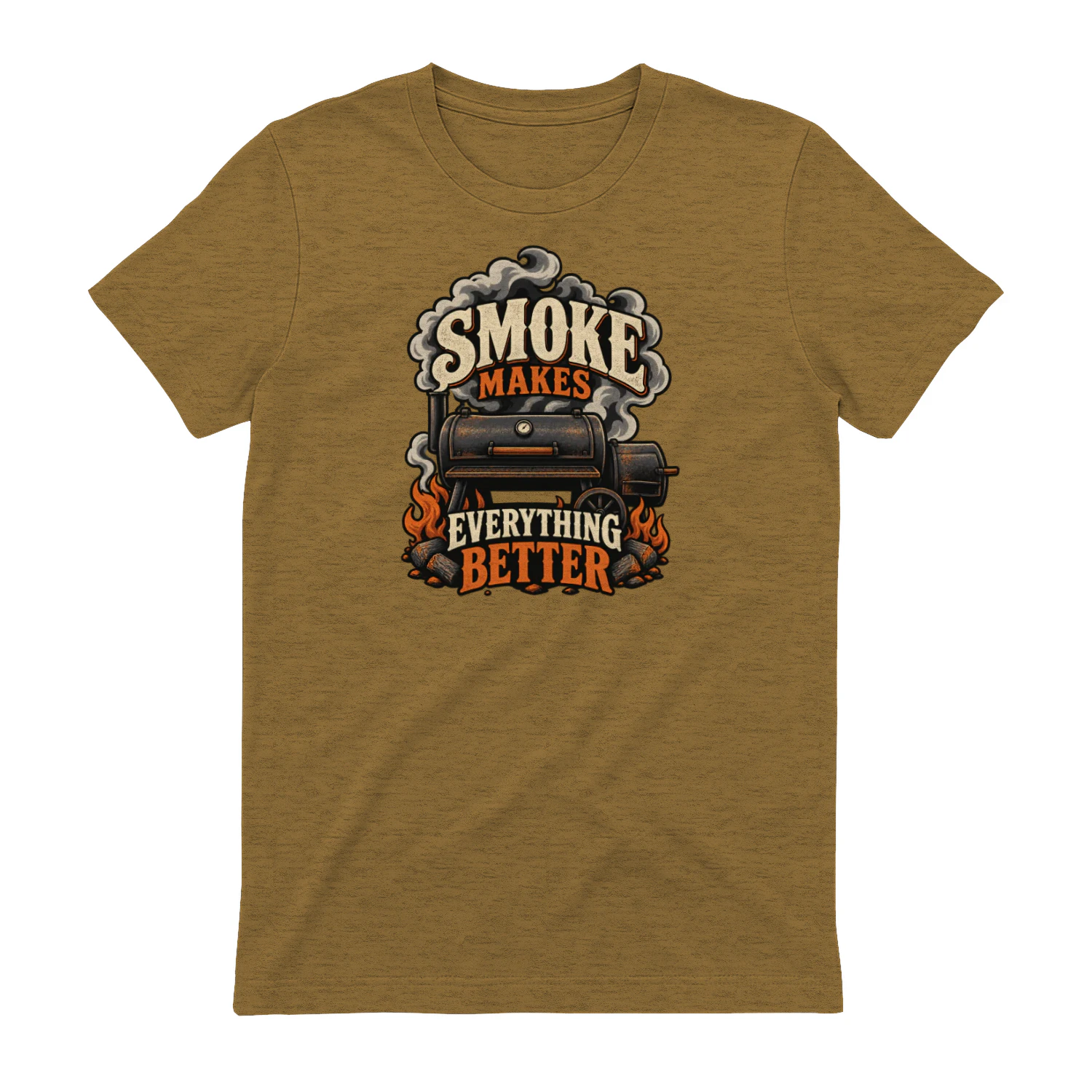
Smoke Makes Everything Better
Official Pit Culture merchandise from Texas Thread Theory, built for people who live for fire, smoke and low-and-slow weekends.

Smoke Therapy
Official Pit Culture merchandise from Texas Thread Theory, built for people who live for fire, smoke and low-and-slow weekends.

