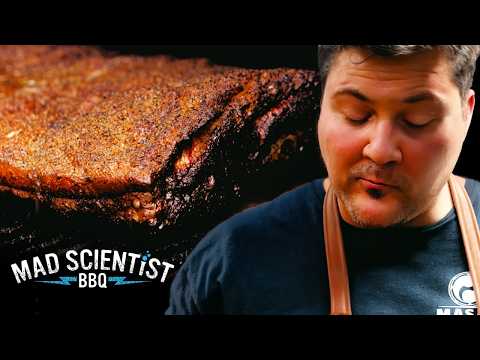
Why a smoker makes sense for Basque cheesecake
Mad Scientist BBQ’s burnt Basque cheesecake video starts with a question that sounds like a joke until the slice comes out: can a smoker really make dessert work? Jeremy Yoder’s answer is yes, but only if you stop thinking of the smoker as a place for heavy smoke and start thinking of it as a very hot wood-fired oven. That is the core idea behind this cook. The goal is not a barbecue flavor bomb. The goal is the same contrast Basque cheesecake is known for: a deeply browned top and a center that stays soft, rich, and custardy.
That distinction matters, because the cook is built around control rather than improvisation. Yoder uses the smoker hot, keeps the fire clean, and watches the cheesecake closely as it browns and sets. In other words, this is a live-fire dessert that depends on restraint.
The small ingredient list does most of the work
One of the reasons this recipe stands out is how short the ingredient list is. Yoder points out that the cheesecake is built from cream cheese, eggs, heavy cream, sugar, and flour, with salt, vanilla, and a little lemon zest as optional additions. That simplicity is part of the appeal: nothing in the recipe feels fussy, and nothing requires specialty pastry logic.
But the simplicity can be misleading. The method still needs attention. Yoder is clear that the cream cheese should be at room temperature before mixing, and he works by hand rather than with a stand mixer. The reason is texture. His concern is not just combining ingredients; it is avoiding extra air. In his telling, air is the enemy of the dense, custard-like result he wants in the finished cheesecake.
He also leans on weighing ingredients carefully, then chilling the batter before baking. That keeps the mixture smoother and cooler before it ever reaches the pan. The point is not to make the recipe complicated. It is to keep the batter steady enough that the final texture comes from the bake, not from how aggressively it was mixed.
Texture comes from restraint, not whipping
A lot of dessert recipes invite you to whip, aerate, and lighten. This one moves in the opposite direction. Yoder repeatedly warns that too much air can create a bubbly or frothy texture that does not belong in Basque cheesecake. He prefers a batter that is integrated but not overworked, and he is comfortable with the idea that it may not look perfectly smooth at every stage.
That is an important takeaway from the video: the cheesecake’s appeal is not a flawless mousse-like finish. It is a set outer layer with a softer center, and that texture depends on keeping the batter dense enough to bake the way he wants. He even notes that a little imperfection in the mix is acceptable if it helps preserve the structure.
The flour addition is tiny, but it still plays a role. Yoder describes it as just enough to give the cheesecake some body without turning it into a heavy cake. In other words, the recipe is less about building volume and more about controlling the amount of set in the final slice.
Heat, browning, and the target temperatures
This is where the smoker really matters. Yoder starts the cheesecake at around 400 degrees, then bumps the heat higher when he wants more browning. He is watching two things at once: color on top and temperature in the middle. The top should get dark and deeply caramelized, while the center should land in a much lower range before carryover cooking finishes the job off the heat.
He emphasizes the doneness cue he trusts most: internal temperature. In the middle of the cheesecake, he wants to see roughly 120 to 125 degrees before removing it from the smoker. That number is not presented as a rigid universal law; it is the standard he uses in this cook to hit the texture he wants. After the cheesecake comes off, the center continues to rise on its own.
That carryover is part of the method, not a side effect. Yoder explains that the cheesecake keeps cooking while it rests, eventually settling into the custardy interior he is after. He even compares the temperature difference between the outer edge and the middle to what happens in a large piece of meat. The analogy works because the logic is the same: the outside is hotter, the middle catches up later, and the final texture depends on removing the food before it is fully done in the center.
What carryover cooking changes after the cheesecake comes off
The most useful part of the video may be how calmly Yoder treats the rest period. When the cheesecake comes off the smoker, it still looks loose in the center, and that is exactly what he wants. The jiggle is not a flaw. It is evidence that the middle has not been pushed too far.
He notes that the center rises significantly after the cheesecake leaves the heat, moving from the low 120s into the 130s and ultimately settling around the target he expects for the finished texture. That is the reason he can say with confidence that the cheesecake will firm up without becoming dry. The top is already browned, the center is still soft, and the rest period lets those two states meet in the middle.
He also recommends an overnight chill before serving. That rest is about flavor as much as structure. It gives the cheesecake time to settle, and it makes slicing easier the next day.
Two ways to serve it: sherry or fruit compote
Yoder shows two different serving styles, and they say a lot about how flexible the dessert can be. The first is the more traditional route: Pedro Ximénez sherry. He describes it as sweet and dark, with caramel-like notes that pair well with the browned top of the cheesecake. In the video, the match makes sense because the cheesecake already has roasted flavors from the bake, so the sherry leans into that side of the dessert rather than fighting it.
The second option is cherry compote. He says the basic process is simple: cherries, sugar, lemon juice, and a little vanilla plus lemon zest. That version brings brightness and fruitiness to the plate, which cuts through the richness of the cheesecake. If the sherry version emphasizes depth, the cherry version emphasizes contrast.
What matters is that both serve the same base dessert in different ways. The cheesecake is rich enough to support either direction, and the video suggests you could reasonably offer both depending on the table.
Why this works as a Pit Culture dessert
This is not a barbecue dessert in the sense of being smoky, sticky, or overbuilt. It works because it uses the same discipline that makes a good cook on the pit work at all: manage heat, know your target, and pay attention to texture instead of just waiting for a timer.
Yoder’s smoker-built cheesecake is interesting because it refuses to be a novelty for its own sake. The smoker is not there to decorate the recipe with smoke. It is there because its hot, convective environment can mimic the kind of intense bake Basque cheesecake needs. The result is a dessert that fits Pit Culture in a very literal way: it comes from live fire, but it is still about precision.
And that may be the real appeal of the video. It shows that a smoker can do more than ribs, brisket, and chicken. With the right batter, the right temperature, and enough patience to let carryover do its work, it can turn out a cheesecake with the exact split that makes Basque cheesecake worth chasing in the first place.
Watch the original video: https://www.youtube.com/watch?v=6P3e0z66Uf8
PIT CULTURE MERCH
Two Pit Culture designs from Texas Thread Theory for people who live for fire, smoke and low-and-slow weekends.
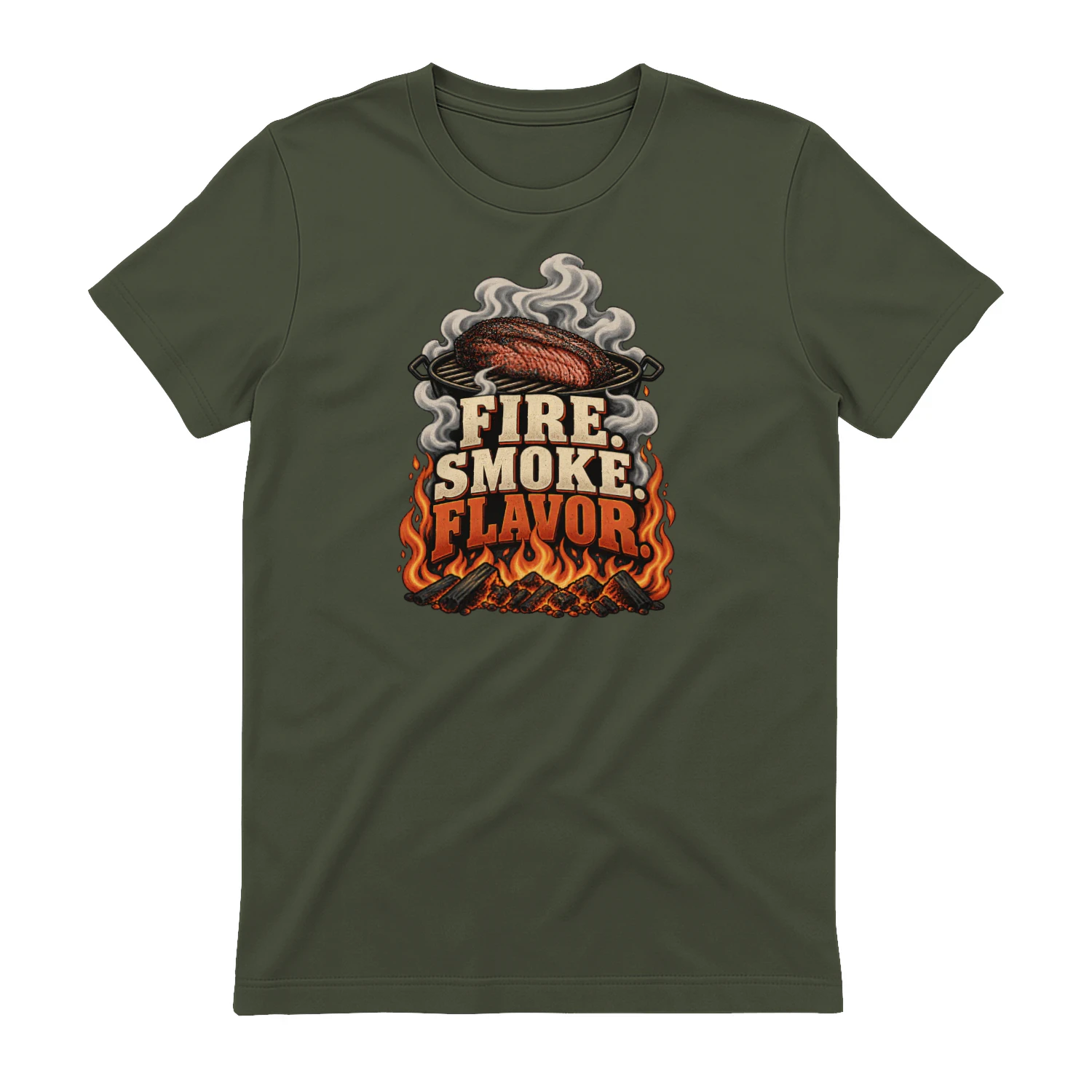
Fire. Smoke. Flavor.
Official Pit Culture merchandise from Texas Thread Theory, built for people who live for fire, smoke and low-and-slow weekends.
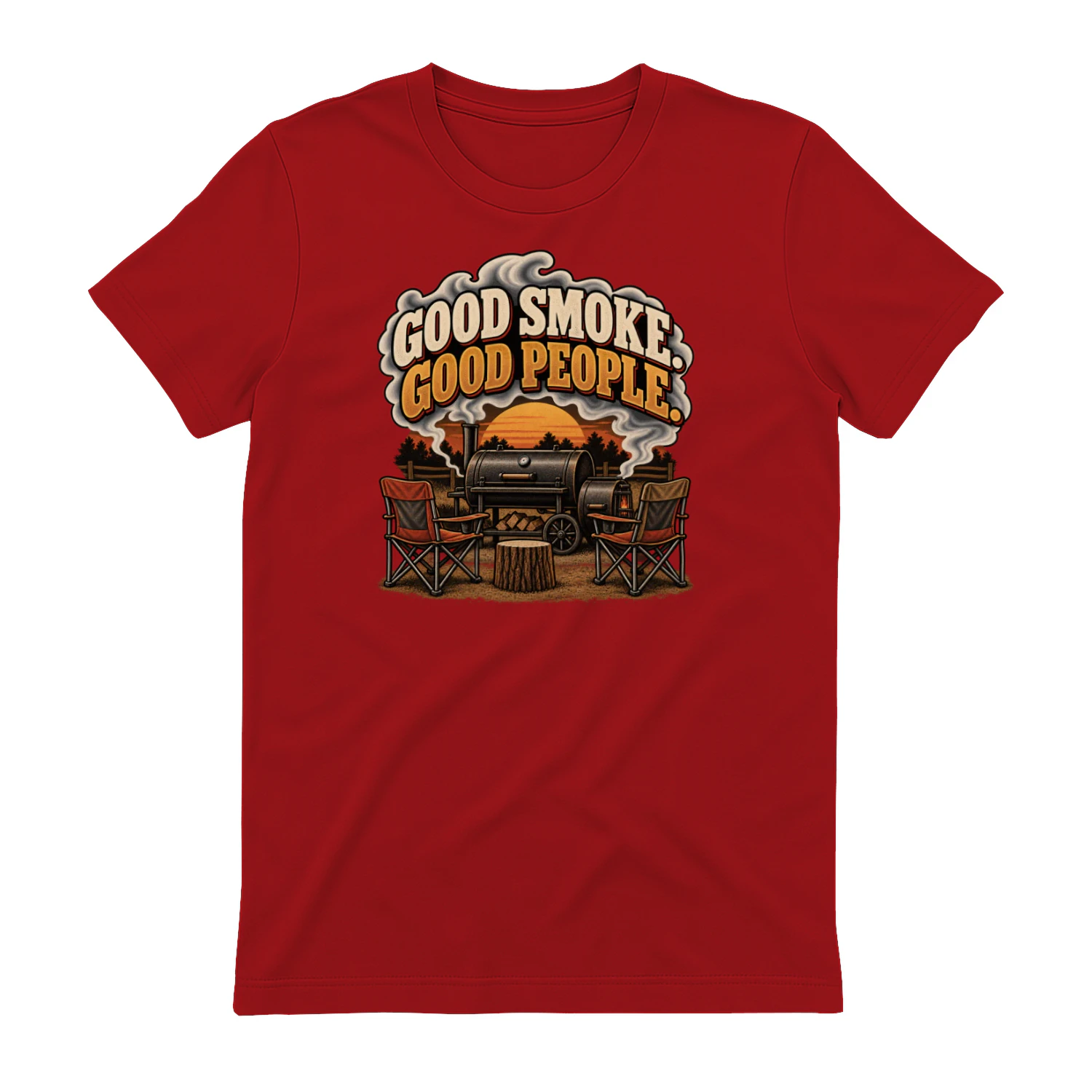
Good Smoke. Good People
Official Pit Culture merchandise from Texas Thread Theory, built for people who live for fire, smoke and low-and-slow weekends.