The simple answer: it can scratch the same itch, but it is still pork
Jeremy Yoder’s point is straightforward from the start: he is not trying to turn pork belly into brisket by name only. He is trying to recreate the experience brisket used to represent for a lot of barbecue cooks — a big cut, a long smoke, rich bark, and slices that feel like the reward for a half-day of patience. In this video, pork belly is the stand-in because it brings fat, smoke absorption, and enough structure to survive a long cook without turning into a pile of mush.
That framing matters. The video is less about a trick and more about a question: if brisket is priced out of the “every weekend” category, is pork belly the next best thing for people who still want that same ritual?
Why pork belly becomes the brisket substitute
Yoder ties the idea to cost first. He remembers brisket as a cut that once sat in a much friendlier price range, and he compares that older feeling to what pork belly offers now. In his telling, brisket no longer fills the same role it once did for value-minded cooks, while pork belly still gives you a fairly large piece of meat for a price that feels more workable.
That is the heart of the comparison. The cook is not about matching brisket exactly. It is about finding something with enough fat and enough volume to carry a long smoker session. Pork belly fits because it is fatty, rich, and forgiving over time. It also gives him a cut that can be sliced rather than pulled apart, which keeps the finished product closer to a brisket-style presentation than something like a shredded pork dish.
He also notes that the cook starts with an 11-pound piece, which helps explain why it feels like a centerpiece and not just a side project. The size supports the same kind of low-and-slow commitment that makes brisket feel like an event.
Seasoning and smoke setup
The seasoning choice stays simple and familiar: skin removed, then a blend built around seasoned salt, kosher salt, and a heavy hand with 16-mesh black pepper. That combo echoes a Texas-style approach without trying to imitate any one pit exactly. Yoder makes it clear he wants good color, good flavor on the outside, and enough pepper to help the bark develop.
Because the meat is so fatty, he adds a bit more salt than he would for a leaner cut. That is one of the more useful takeaways in the video. Fat changes the balance, and he treats the seasoning as part of that balance rather than a fixed formula.
The smoke setup also tells you how he is thinking about the meat. The pork belly goes on fat side up, then cooks over hickory at roughly 200 to 225 degrees to start. He mentions oak and pecan as possible alternatives, but hickory is the wood he chooses and says works well with pork as long as it is not overdone. That gives the cook a firm barbecue identity: Southern smoke, pepper-forward seasoning, and a long run on the smoker.
How the cook changed over time
As the cook moved along, the temperature strategy shifted. Yoder started low, then raised the pit to 250, and later pushed it to around 300 until the belly finished. That gradual climb is important because it shows the cook was not just waiting for an arbitrary clock to run out. He was watching color, checking the bark, and steering the meat toward the texture he wanted.
At around the five-hour mark, he notices that one edge is lagging behind and turns it toward the fire. That kind of adjustment is a reminder that this is still a live barbecue cook, not a perfect lab test. The meat is thick enough to matter, but thin enough compared with brisket that the cook finishes sooner. He estimates another 90 minutes at the higher temperature, and the video later shows him checking internal temperature in the 190s to about 200.
One of the clearest decisions in the whole video is his choice not to wrap. He says that, unlike brisket, he does not need a wrap to protect the juiciness because the pork belly already has so much fat. That decision shapes the finished texture: more bark on the outside, more direct smoke exposure, and a softer, juicier interior.
What the finished slice was like
When the pork belly comes off the pit and rests briefly, the cut looks exactly like what the video has been building toward: glossy, dark, and heavily rendered on top. Yoder cuts into it and gets a visibly juicy interior, with liquid released as he slices. He does not try to pretend that is the same thing as brisket; instead, he measures it against the brisket test in terms of sliceability and texture.
The result passes that test in his view, even if it is not a carbon copy. It holds together enough to slice, but it is also easy to pull apart. That duality is part of the appeal. You get a meat that can be plated like sliced barbecue while still being tender enough to fall apart a bit at the edges.
Flavor-wise, he says it is not as smoky as brisket, and it lacks brisket’s deeper beef flavor. That comparison is honest and useful. Pork belly is not trying to become beef. What it does bring is rich fat, a pleasing crispness on the outside, and a tender interior that stays juicy in a way leaner cuts cannot.
Where this approach fits in the barbecue toolbox
This cook makes the most sense if you think of it as a bracketed substitute rather than a replacement. Yoder is not saying pork belly is brisket. He is saying it can serve the same purpose in a barbecue weekend: something substantial, smoke-friendly, bark-friendly, and satisfying to slice.
He also points out a few practical uses that expand the cut beyond the initial plate. Some of the meat can be saved for ramen later. It can also be refrigerated, frozen, or vacuum-sealed and reheated later because of all that fat. That makes the belly feel versatile in a way brisket often does too, especially when cooks are looking for leftovers that still hold up.
The strongest part of the video is that it stays grounded in use case rather than nostalgia. If you want the bark, the smoke, the rendering, and the feeling of having spent a day tending a pit, pork belly can give you a version of that experience without asking for brisket money. It does not erase the difference between pork and beef. It just makes a convincing case that the barbecue ritual itself is what some cooks are really after.
Watch the original video: https://www.youtube.com/watch?v=NWcaeIMozCI
PIT CULTURE MERCH
Two Pit Culture designs from Texas Thread Theory for people who live for fire, smoke and low-and-slow weekends.
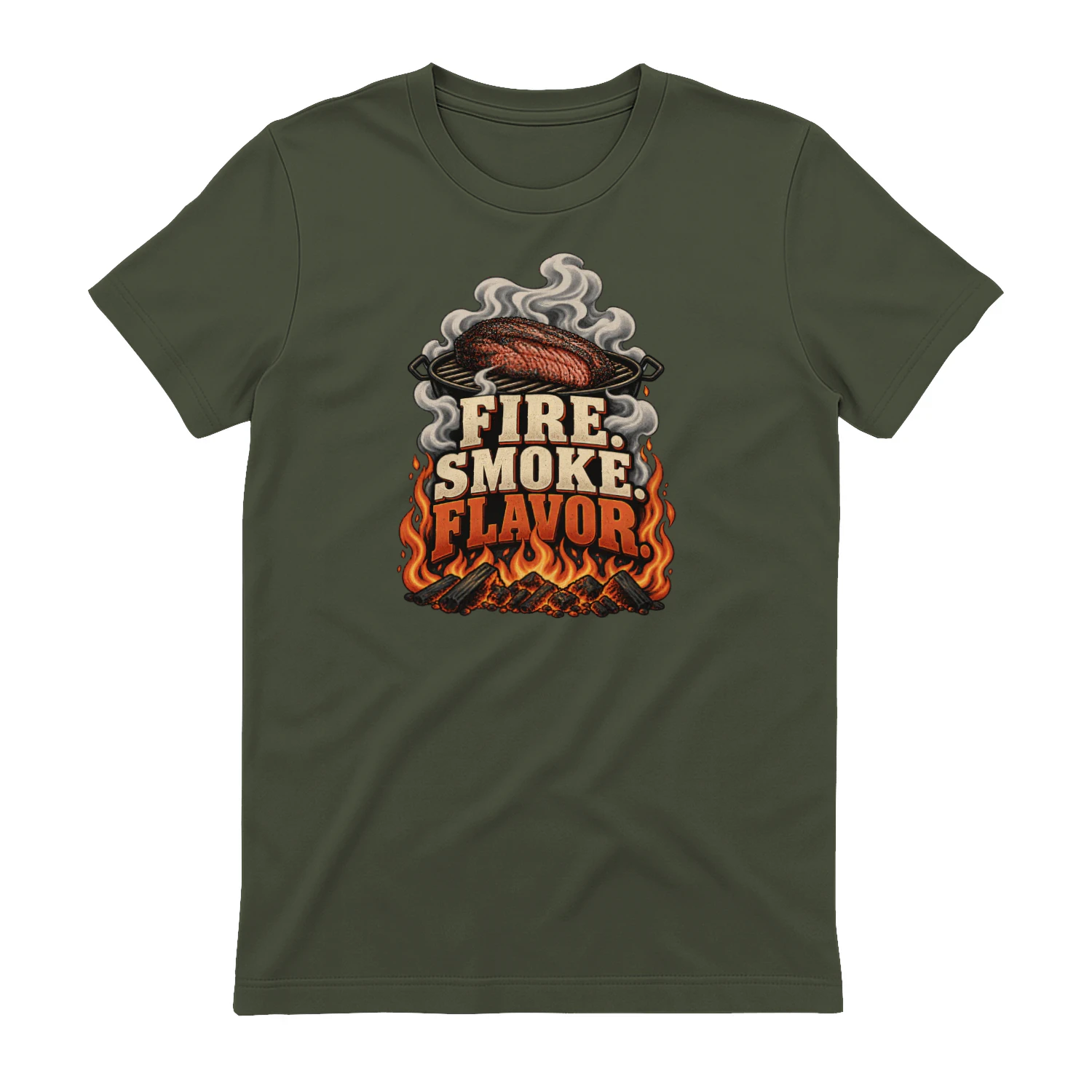
Fire. Smoke. Flavor.
Official Pit Culture merchandise from Texas Thread Theory, built for people who live for fire, smoke and low-and-slow weekends.
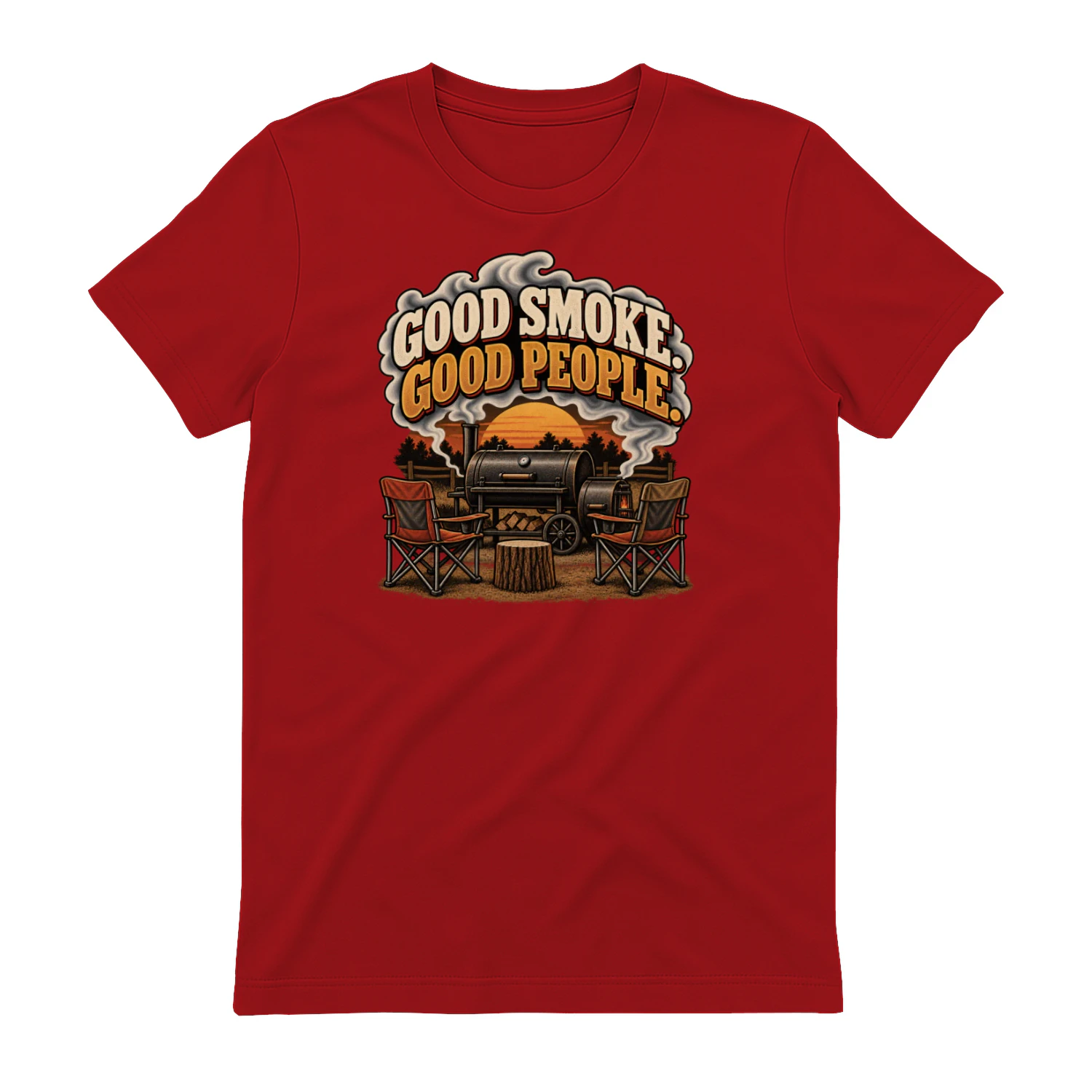
Good Smoke. Good People
Official Pit Culture merchandise from Texas Thread Theory, built for people who live for fire, smoke and low-and-slow weekends.

