Santa Maria barbecue often gets reduced to one sentence: grill tri-tip over red oak. That gets two important pieces right, but it leaves out the reason the style feels like a regional tradition instead of just a recipe. Santa Maria Style barbecue is a complete meal with local fuel, local ingredients, simple seasoning, and a history tied to community cookouts on the Central Coast.
The tradition came before tri-tip
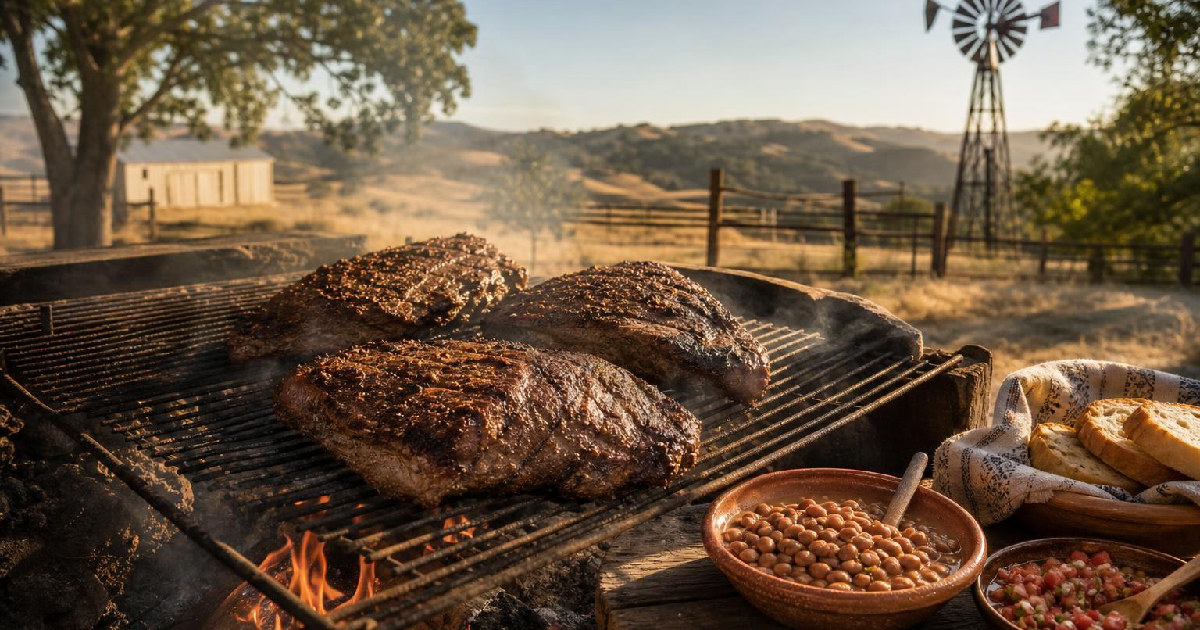
Santa Maria Valley traces the style to ranch gatherings in the mid-1800s, when local rancheros prepared Spanish-style barbecues for vaqueros, family, and neighbors. Beef cooked over local red oak was already central to those meals long before tri-tip became the cut most outsiders associate with the region.
Top-block sirloin was an earlier signature cut. Tri-tip became closely linked with the style after it was popularized locally in the 1950s. That makes tri-tip an important part of the modern tradition, not the origin of the tradition itself.
Red oak is more than a smoke flavor
Authentic Santa Maria Style barbecue uses coals from native red oak. The wood is part of the regional identity because it was locally available and became embedded in the way the meat was cooked. The beef is traditionally seasoned simply with salt, pepper, and garlic rather than hidden under a thick finishing sauce.
That combination creates a style that is direct and fire-forward: good beef, assertive live fire, and seasoning that supports rather than covers it.
The side dishes are part of the definition
The classic Santa Maria menu includes pinquito beans, fresh salsa, grilled French bread, and green salad alongside the beef. Santa Maria Valley notes that the menu was formally copyrighted by the local Chamber of Commerce in 1978, which shows how strongly the community viewed the complete meal as a distinct regional identity.
Pinquitos matter in particular. The small pink beans are closely associated with the Central Coast and are not just an interchangeable scoop of barbecue beans.
Why the distinction matters
Cooking a tri-tip on any grill can be great. Calling every grilled tri-tip Santa Maria Style strips away the place and method that made the style notable. The same is true of using a generic smoke wood while ignoring the red-oak tradition, or serving the meat without the regional accompaniments.
The practical takeaway
If you want to understand Santa Maria barbecue, think bigger than the cut of beef. Start with the ranch-era community tradition, cook over red oak when possible, keep the seasoning simple, and treat the pinquito beans, salsa, bread, and salad as part of the story. Tri-tip is a star of the plate, but the style is the whole plate.
PIT CULTURE MERCH
Two Pit Culture designs from Texas Thread Theory for people who live for fire, smoke and low-and-slow weekends.
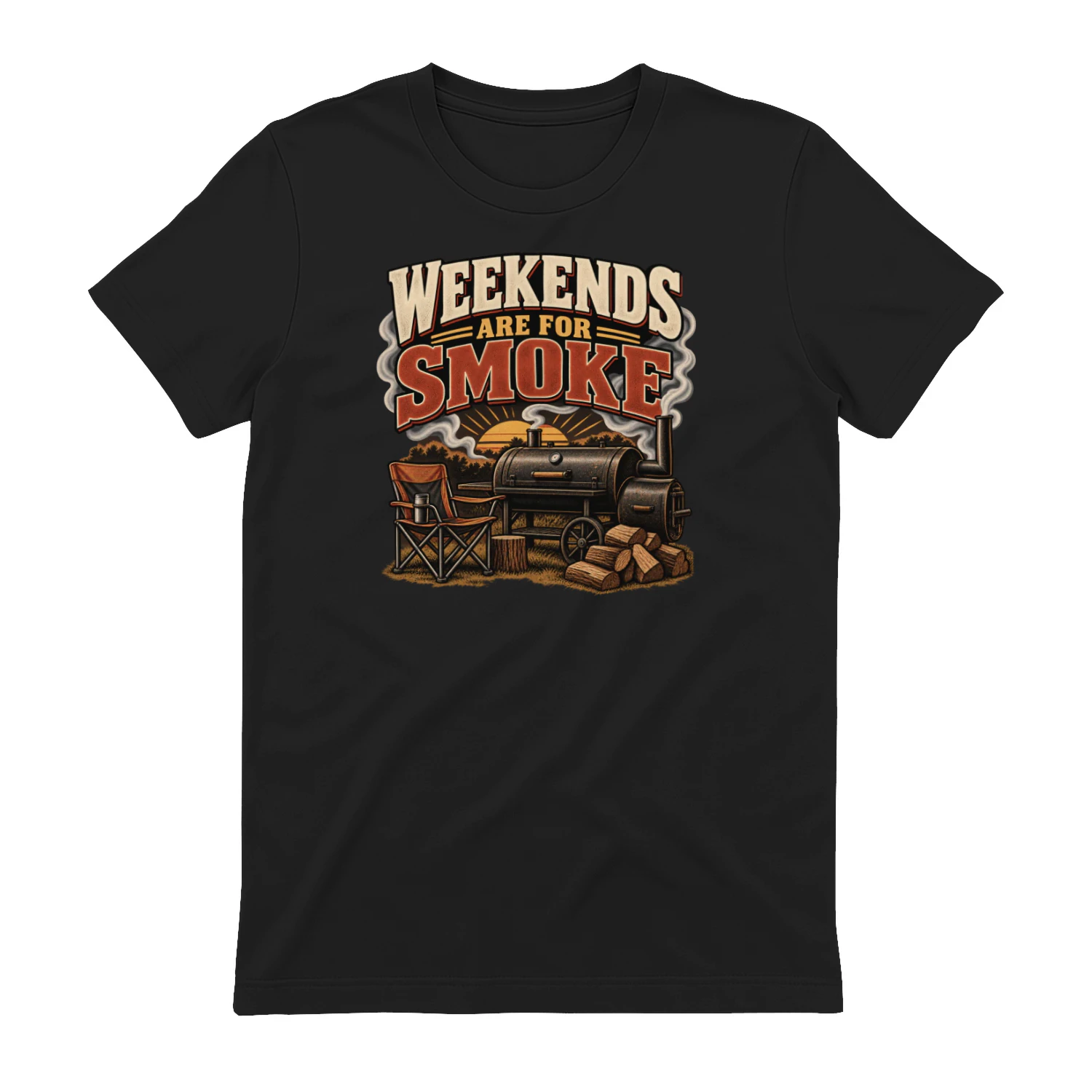
Weekends Are for Smoke
Official Pit Culture merchandise from Texas Thread Theory, built for people who live for fire, smoke and low-and-slow weekends.
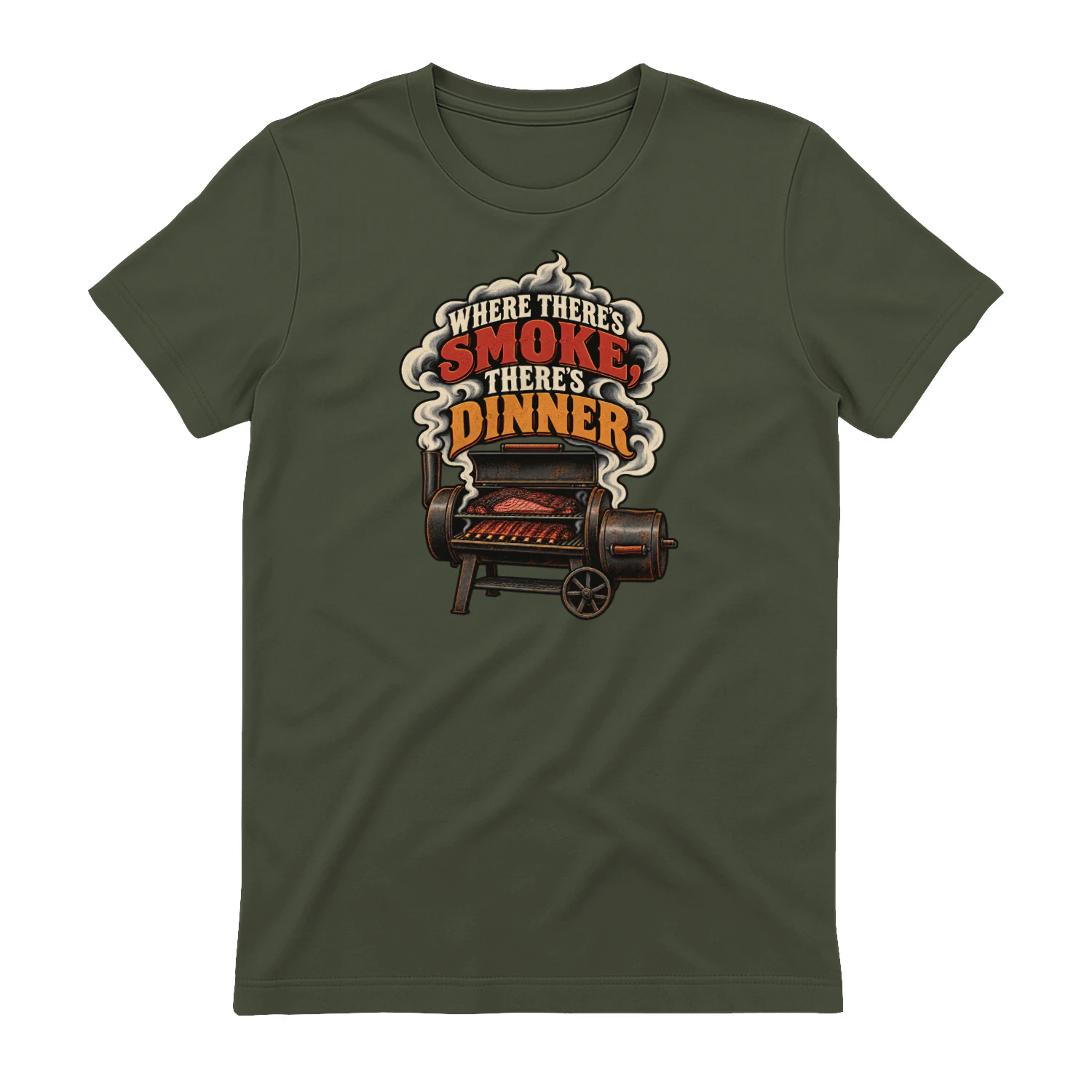
Where There's Smoke, There's Dinner
Official Pit Culture merchandise from Texas Thread Theory, built for people who live for fire, smoke and low-and-slow weekends.