The pressure behind the plate
Rasheed Philips does not start this episode of This Week in Barbecue with a tidy industry trend or a polished hot take. He starts with the kind of loose, funny, slightly chaotic conversation that makes the show feel like people talking barbecue the way they actually talk barbecue. From national food days to live-fire cooking, the episode keeps circling back to a simple truth: barbecue is fun to watch, hard to do, and even harder to run as a business.
The clearest answer to what this episode is really about comes near the end, but it is present from the start. Barbecue is no longer one thing. It is a culture, a business, a performance medium, a community, and, for a lot of people, a fragile way to make a living. Rasheed and James Welch bounce between all of those realities without forcing the conversation into one lane.
Why Pit Masters feels different
One of the strongest stretches in the episode is Rasheed’s reaction to the first episode of Pit Masters on Food Network. He is careful not to overstate it. This is only episode one, and he is speaking from the perspective of someone who already knows much of the cast. But his read is still clear: the show feels more thoughtful than the usual barbecue competition package.
What he likes is not just the cast, but the editing and the structure. He says the storytelling is stronger, and he appreciates that the show respects the time barbecue actually needs. That matters because barbecue television often falls into the same trap: it wants the heat and drama of competition, but it does not always want to slow down enough to show the craft.
Rasheed also likes that the show builds tension without making the cooks look foolish. The contestants are not portrayed as people flailing around at the last minute. Instead, the show seems to trust that the audience can handle a version of barbecue competition where skill is the point. He points out that the panel makes sense, the judging feels grounded, and the format gives live-fire cooking room to be the star.
That leads to one of the episode’s more useful observations: smoke is not always the most camera-friendly part of barbecue, even though it is central to the craft. Rasheed notes that the open fire pits are what the cameras linger on. That is not a knock. It is a reminder that barbecue on screen has to work visually as well as technically, and open fire gives the show something immediate to look at.
The Sazón Era, not a purity test
The episode’s deeper discussion begins when Rasheed and James move into authenticity. This is where the conversation stops being about one television show and starts becoming about barbecue itself.
Rasheed pushes back on the idea that barbecue should be sorted neatly into authentic and inauthentic. He talks about culturally driven barbecue as something bigger than a passing trend. He calls it the Sazón Era, a phrase that captures his point better than the industry language he is reacting to. In his view, barbecue is already a mixing ground of influences, and the people cooking it today are making that reality more visible.
He is not arguing that tradition does not matter. He is arguing that tradition has always been shaped by movement, exchange, and borrowing. The episode repeatedly returns to that idea: barbecue did not arrive fully formed in one place. Different techniques, proteins, and flavor habits moved through different cultures before they were ever put on a tray together.
That is why Rasheed sees Egyptian, Thai, Dominican, Puerto Rican, Jamaican, Czech, German, and Southern influences as part of the same larger conversation rather than as outside threats to it. In his framing, the current wave of barbecue is not a break from authenticity. It is another way to recognize what barbecue already is.
What the business side keeps hiding
The episode is not just about food identity. It is also about money, survival, and the growing gap between barbecue as a popular culture object and barbecue as a business.
Rasheed and James talk through restaurant closures, rising operating costs, and the struggle of the “middle” operator: the place that is not a hobby, not a giant chain, but also not insulated by massive capital. Crossbuck Barbecue closing in Dallas becomes part of that larger picture. So does John Q’s Barbecue shutting down during a boil-water alert in North Carolina. These are not just isolated problems. They are examples of how many different pressures can close a kitchen at once.
What makes this section useful is that it refuses to flatten the issue into one cause. Meat prices matter. Rent matters. Labor matters. Water matters. Infrastructure matters. Rasheed also makes a broader point that is easy to miss if you only look at the food: the knowledge of how to cook is not the same thing as the knowledge of how to stay open.
That is one of the episode’s sharpest lines of thought. A lot of barbecue content online shows the finished plate, the bark, the smoke ring, the sauce pull. Far fewer people talk about net terms, P&Ls, capital, and scale. Rasheed argues that the winners in the business are often the ones with both money and knowledge, or access to both. That is not glamorous, but it is probably the most practical thing in the episode.
A barbecue platter as a cultural map
If the episode had to be reduced to one image, Rasheed offers it himself: the barbecue platter. He argues that a barbecue platter is one of the most culturally diverse dishes you can eat.
His case is straightforward. Brisket points to Czech influence. Sausage to German influence. Pulled pork to the Carolinas. Mac and cheese is part of a wider American and German heritage. Put those together and you do not get a pure dish so much as a public record of how barbecue has always worked: across borders, across traditions, and across time.
That point becomes even sharper when the conversation turns to Chipotle opening in Mexico. Rasheed treats it as a branding contradiction, even a kind of culinary cosplay: an American chain selling a stylized version of Mexican food back in Mexico. The joke lands because the underlying point is serious. Branding often asks us to accept a food identity that does not match its roots, while barbecue itself is usually judged more harshly for experimentation than chain food is.
The irony is hard to miss. A corporation can remix a cuisine and call it a concept. A pitmaster can add Thai or Egyptian notes and get labeled fusion. Rasheed is asking why those categories are applied so unevenly.
Why the show works as a companion piece
What makes this episode worth reading as a feature is that it connects spectacle to substance. The conversation can joke about national days and naked air baths one minute, then move to restaurant economics, then shift again into a serious argument about authenticity. That range is part of the appeal.
The best barbecue coverage does not treat the craft as frozen. It shows the people behind it thinking, adapting, and arguing with one another. That is what this episode does. It treats barbecue as a living field, not a museum.
And even the TV review fits into that bigger picture. Rasheed’s praise for Pit Masters is really praise for a barbecue show that understands the importance of time, environmental pressure, and actual skill. He wants barbecue media to respect the work the same way pitmasters do.
For readers looking for one takeaway, it is this: barbecue is expanding culturally while getting harder financially, and the smartest voices in the space are not pretending those two facts cancel each other out.
Watch the original video: https://www.youtube.com/watch?v=jJiO9a_M5H0
PIT CULTURE MERCH
Two Pit Culture designs from Texas Thread Theory for people who live for fire, smoke and low-and-slow weekends.
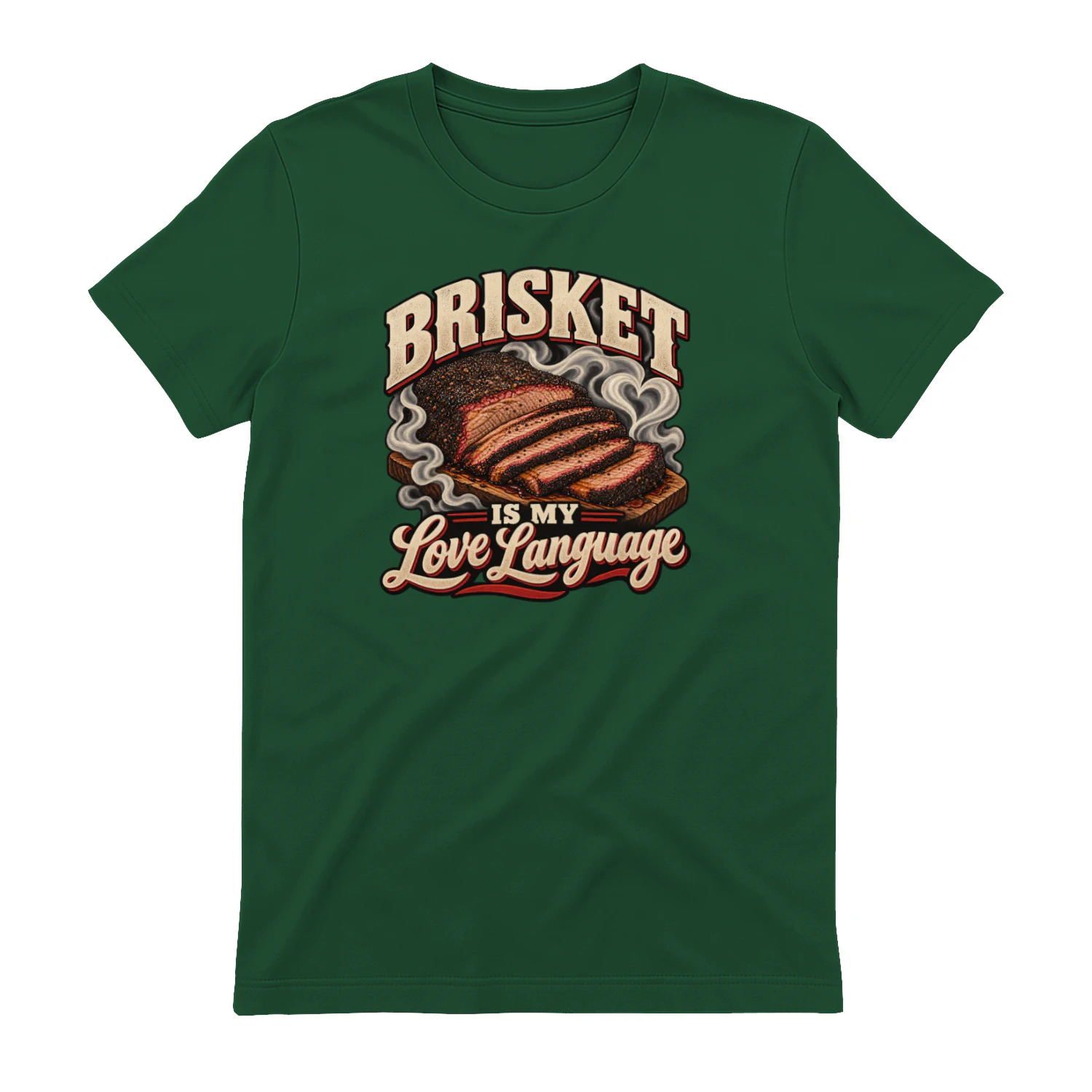
Brisket Is My Love Language
Official Pit Culture merchandise from Texas Thread Theory, built for people who live for fire, smoke and low-and-slow weekends.
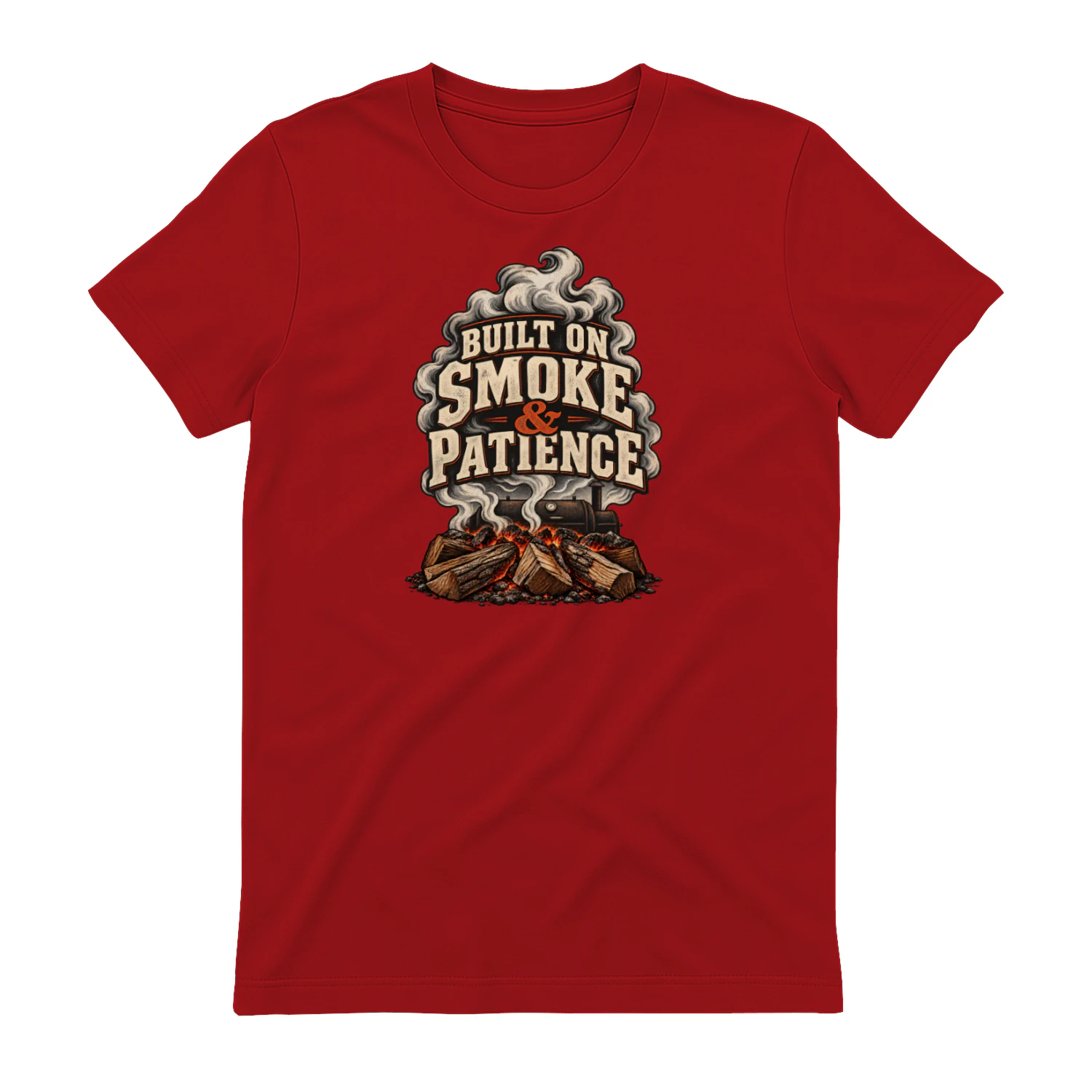
Built on Smoke & Patience
Official Pit Culture merchandise from Texas Thread Theory, built for people who live for fire, smoke and low-and-slow weekends.
