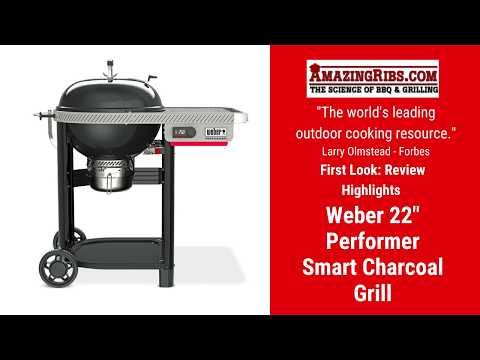
Weber smart charcoal cooking still depends on where the fuel sits and how air moves through the kettle. In this AmazingRibs walkthrough, the team visits Weber headquarters for a demonstration of the company's smart charcoal system. A controller and fan manage incoming air, but the cook still builds the fire, chooses the cooking arrangement and positions the lid.
This is an introduction to operation, not the outlet's completed performance review. AmazingRibs says further testing will follow. Keeping that distinction in view makes the video more useful: it shows what the system asks you to do before anyone can judge how well it performs over repeated cooks.
What does the controller actually control?
The walkthrough begins with the bottom damper closed so the digital fan can manage the incoming oxygen. A temperature sensor feeds the controller, which turns the fan on and off in response to the selected cooking temperature.
There is also a separate red door for the fan tunnel. During the demonstration, that door is opened before the fan takes over. It is an easy step to overlook if you think switching on the display alone prepares the whole airflow path.
The source also notes that the grill can be used manually. Its explanation is about adding a controlled air supply to charcoal cooking, rather than replacing charcoal with an electric heat source.
Fire placement still matters
AmazingRibs shows a two-zone arrangement with charcoal held on one side and food on the other. For indirect and low-temperature cooking in the demonstrated setup, the fuel stays away from the temperature sensor. That separation is part of the operating procedure shown in the video.
For a longer, slower burn, the demonstration arranges the fuel in a curved line and lights one end. For high-heat cooking, it starts with a central pile and spreads the lit briquettes. These are different fire layouts for different jobs; the controller does not make their geometry interchangeable.
Watch the source closely for how the sensor, fuel and food relate to one another. The demonstration is tied to the equipment shown, so an owner should use the instructions for their particular model when setting it up.
The lid is part of the air path
The video positions the lid damper opposite the fan and explains that arrangement as a way of moving heat around the food before it exits. It also shows different top-damper openings for different cooking styles.
That is the most helpful lesson for an experienced kettle cook considering the system. Some vent decisions move to the fan controller, but the exhaust opening and lid placement remain part of the process. A target temperature on a screen is only one element of the setup.
What the demonstration leaves open
AmazingRibs identifies the smart Performer and a retrofit smart ring for compatible kettles, while making clear that its own detailed testing is still ahead. The walkthrough does not establish long-term reliability, a fuel-saving figure or a winner against competing grills.
Watch AmazingRibs' original Weber smart-charcoal demonstration for the controls and positioning shown on the equipment. For the underlying fire-management principle, see how charcoal dampers control temperature.
PIT CULTURE MERCH
Two Pit Culture designs from Texas Thread Theory for people who live for fire, smoke and low-and-slow weekends.
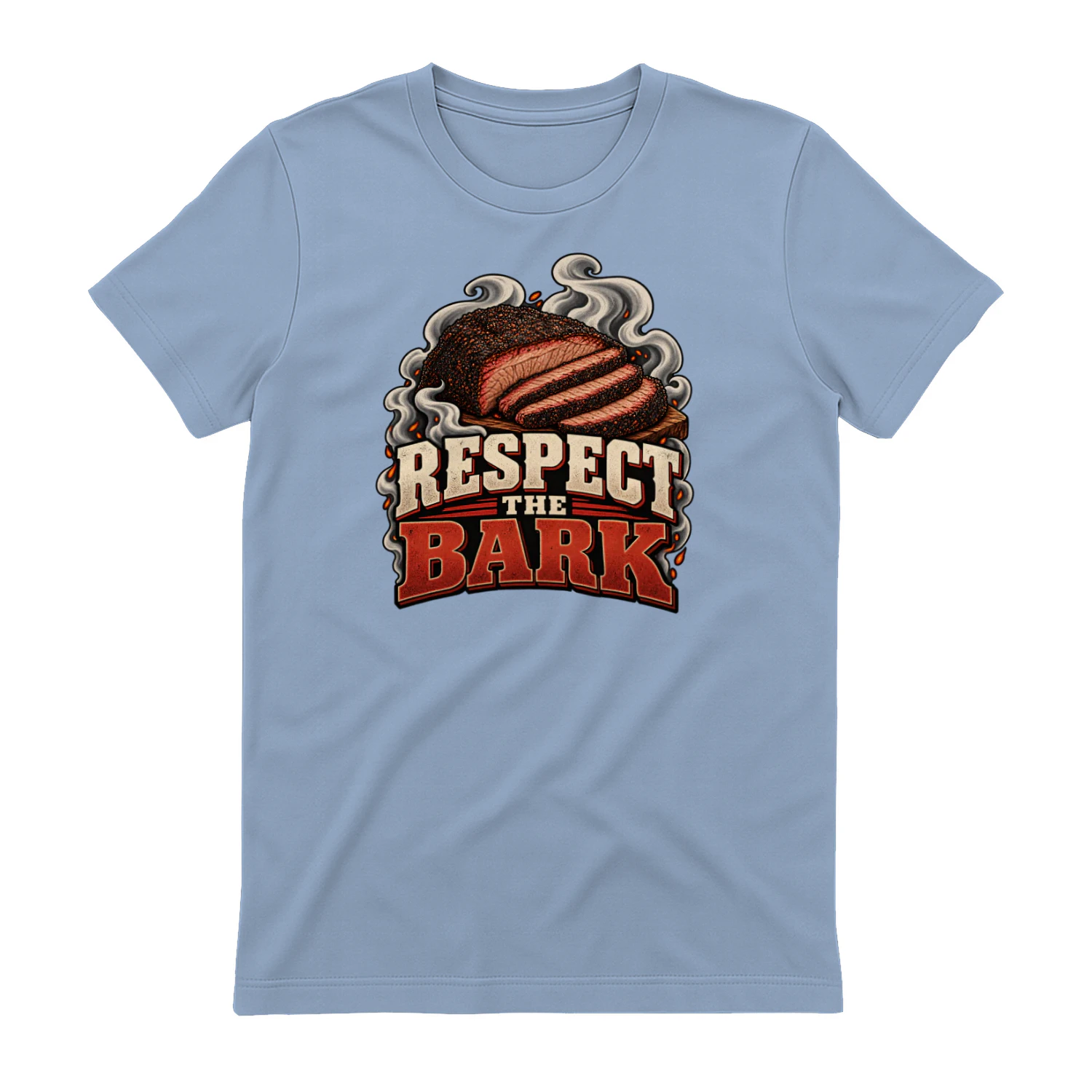
Respect the Bark
Official Pit Culture merchandise from Texas Thread Theory, built for people who live for fire, smoke and low-and-slow weekends.

Smoke Makes Everything Better
Official Pit Culture merchandise from Texas Thread Theory, built for people who live for fire, smoke and low-and-slow weekends.