Why the hot dog gets treated like a regional signature
Meathead’s answer is straightforward: the hot dog matters because Americans made it local. In the interview, he frames hot dogs as part of the country’s food fabric not because the sausage changes from place to place, but because the toppings do. That shift turns a basic grill item into something that carries city identity, family habits, and neighborhood pride.
He points to his own “hot dog road trip” idea as a way to show just how different these traditions can be. New York, Chicago, West Virginia, Cincinnati, Seattle, and Los Angeles all come up as places with their own version of the dog. The thread running through all of them is simple: once you start talking about toppings, you are no longer talking about one generic hot dog.
That is the useful idea buried inside a short morning segment. Hot dogs are accessible, cheap relative to the big barbecue cuts Meathead is known for, and easy to customize. That makes them a natural canvas for regional cooking. The dog becomes a base, and the local identity lives on top of it.
The same dog, different cities
The segment makes a clear distinction between the hot dog itself and the way people dress it. Meathead says the dogs are usually the same, while the toppings create the variations that people recognize as New York, Chicago, and the other regional styles he mentions.
He gives a few examples.
- New York: onion, tomato, and vinegar sauce.
- Chicago: seven ingredients, including poppy seed bun, mustard, bright green relish, celery salt, pickle spear, and sport peppers.
- West Virginia: coleslaw and a meat chili.
That list does more than name toppings. It shows how a hot dog becomes a local shorthand. A Chicago dog is not just a hot dog with extra ingredients; it is a specific assembly with rules and expectations. Meathead’s point is that the structure stays recognizable from place to place, but the details are what people defend.
He also brings up that he built a whole “Hot Dog Road Trip” page with the regional styles and recipes. In the context of the interview, that serves as proof that this is not a throwaway food category for him. It is a subject with enough variation to deserve its own map.
Why ketchup starts a fight
No hot dog conversation stays calm for long, and the interview goes straight to the classic argument: ketchup.
Meathead’s answer is essentially that Chicago is not the place for it. In his telling, putting ketchup on a hot dog is controversial enough to set people off, especially in a city that treats the hot dog as a serious local food with a set formula. He does not make the issue sound technical. He makes it sound cultural. People care because the dog is loaded with identity.
That is why the ketchup question lands. It is not really about one condiment. It is about whether a hot dog should follow local tradition or get treated like a blank slate. Meathead’s tone suggests that these fights are half joke, half civic loyalty, which is probably why they never go away.
He also notes that he has a humorous piece on his site about ketchup on hot dogs, which tells you how long this argument has been part of the broader hot dog conversation. The debate itself has become part of the food’s appeal.
The simplest grill advice in the segment
The interview is not just about toppings and regional pride. Meathead also gives a few clear grilling basics, and they are all about restraint.
His biggest warning is against cooking too hot. He says high heat can shrink muscle fibers, squeeze out juices, and burn food before it has a chance to cook properly. His preferred answer is lower temperature cooking and better control.
He also recommends setting up two grill zones: one hot and one cooler. That lets the cook move food back and forth rather than committing everything to one blast of heat. He describes grilling as a temperature-control problem, which is a useful way to think about it if you are cooking a batch of hot dogs for a crowd.
He adds one more practical tool: a digital thermometer. His point is that you do not need to guess your way through the cook. A thermometer helps keep things simple and reduces the temptation to overdo it.
For hot dogs specifically, he keeps the advice even more direct. Since they are already cooked, the goal is to brown them, not rescue them. He says not to burn them. That is about as compact a hot dog instruction set as you could ask for.
What to serve alongside the dogs
The segment also touches on a side dish that feels very much in Meathead’s style: grilled potatoes, especially sweet potatoes.
He describes cutting them lengthwise into quarters, cooking them over low temperature, and adding a spice rub. He says brown sugar can also work and compares the result to sweet potato French fries. It is a small suggestion, but it fits the rest of the interview well because it follows the same logic as the hot dog discussion: use the grill for simple food, control the heat, and let the basics do the work.
That’s useful because the hot dog conversation can easily become all about topping rules and regional policing. The potato tip brings it back to actual cooking. If you are firing up the grill for a holiday weekend or a backyard crowd, the side dish matters just as much as the dog.
Why this short interview works
What makes the segment memorable is that it does not try to turn hot dogs into high ceremony. Instead, it treats them as a serious part of casual American cooking. Meathead’s perspective is that the hot dog’s power comes from repetition, regional variation, and the way people attach identity to a simple food.
That is a smart frame for a holiday grilling weekend. Hot dogs are easy to overlook because they are familiar, but familiarity is exactly why they survive. They can be served a hundred ways, and people still argue over the right one. In that sense, the hot dog is a perfect barbecue subject: simple at the base, personal in the details.
Watch the original video: https://www.youtube.com/watch?v=ISlU54pfaMo
PIT CULTURE MERCH
Two Pit Culture designs from Texas Thread Theory for people who live for fire, smoke and low-and-slow weekends.
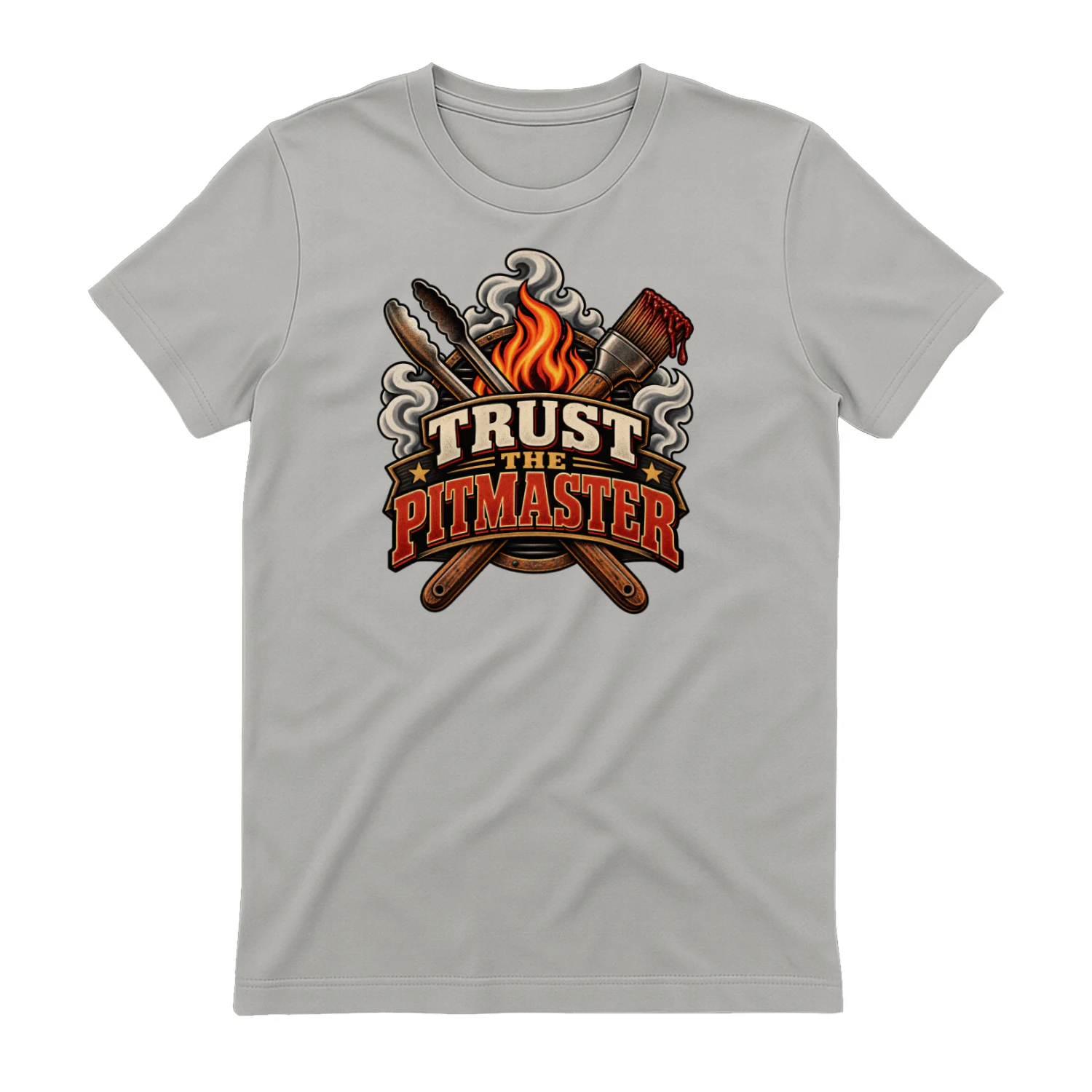
Trust the Pitmaster
Official Pit Culture merchandise from Texas Thread Theory, built for people who live for fire, smoke and low-and-slow weekends.
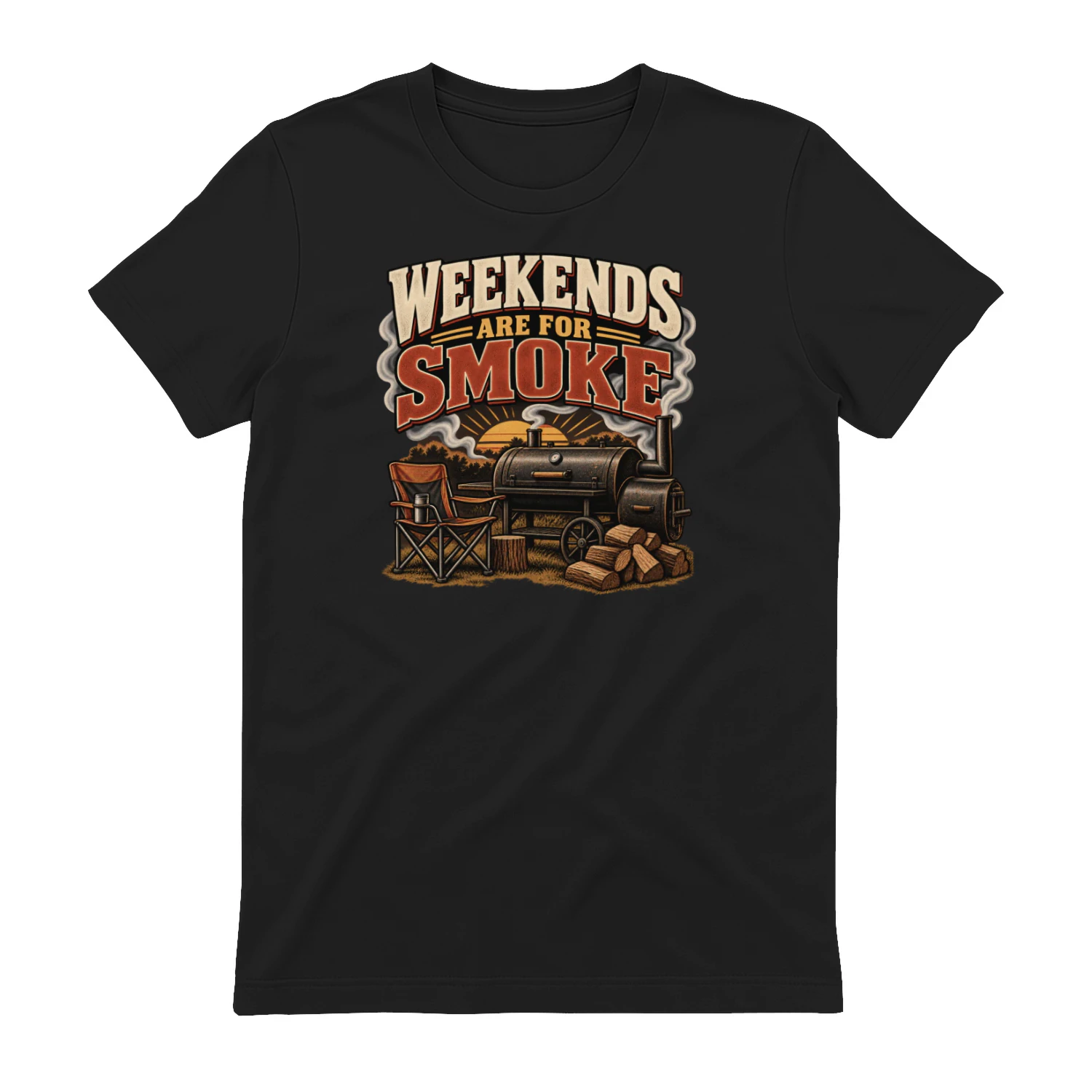
Weekends Are for Smoke
Official Pit Culture merchandise from Texas Thread Theory, built for people who live for fire, smoke and low-and-slow weekends.