The claim that started the argument
Kosmos Q’s brisket video is not really about a brisket recipe in the usual sense. It is a rebuttal. The hook is the line that set off the online debate: he said a brisket could be finished at 177°F, and people came back saying that was impossible. The video is his answer to that pushback, and he frames the whole cook as proof that the target can work.
The direct answer, based on what he shows, is yes: he is trying to finish a brisket at 177°F and serve it tender, then backs that up with a trimmed flat, an overnight smoke, a rest, and a next-day slice for sandwiches. That is the center of the piece, and everything else in the video supports it.
Why this cook starts with the flat
This is not a whole-packer brisket cook. Kosmos Q uses only the flat, and he says plainly that this setup is for sandwiches and sliced brisket. The point is removed and set aside for later burnt ends, while the flat becomes the main event.
That choice matters because it tells you what kind of result he is after. He is not chasing the traditional full brisket presentation where the flat and point are cooked together and served in big carved slabs. He is narrowing the field to a cut that he can shape, season, rest, and slice with more control.
The trimming is also part of the argument. He removes a large fat kernel, works through the seam between the flat and point, and then squares the meat up. He describes the goal as making the brisket aerodynamic, which in practice means getting rid of sharp edges and thin spots that would cook unevenly. He also addresses a dip in the meat by tucking a little fat underneath it to prop the area up.
That trimming sequence tells you what kind of cook this is: not a hands-off backyard smoke, but a deliberate attempt to control how the flat behaves on the grate.
Seasoning, setup, and the target temperature
Once the brisket is shaped, Kosmos Q seasons it with a mix of his own Cow Cover, Texas Beef, and Dirty Bird Hot, using mustard as a binder. He notes that this is not how he would do it in competition, but for this 177°F brisket experiment, that is the system he uses.
The cooker is a Traeger running at 225°F. He puts the brisket on at 7 p.m., expects to check it around daybreak, and sets a probe to alert him when the meat hits 177°F. He also says the cook should still be fine if it runs past the target and lands in the 180s or even up to 190°F, but the goal remains 177°F.
That framing is important because the video is not pretending that a number alone guarantees tenderness. Kosmos Q says the key is not speed but slowness: the fat renders gradually without disappearing too far. The brisket is meant to progress gently, not power through.
The second project: smoked beef tallow
The tallow setup runs alongside the brisket instead of competing with it. Kosmos Q places a half pan inside a full pan under the meat, letting the brisket drip into it during the overnight cook. He explains that this is how he makes homemade beef tallow, and he plans to strain it into Mason jars when it is done.
By the next day, the pan has been bubbling for hours and the rendered fat has picked up smoke. The video lingers on the smell and the finished jars because the tallow is more than a side note: it is part of the same cook and part of the same resourcefulness. He is using the brisket’s drippings to create another usable product at the same time.
That also reinforces the video’s practical bent. This is not only a claim check; it is a two-for-one cook where the brisket supports the tallow and the tallow is treated as its own finished item.
Why the rest and chill matter here
Once the brisket comes off the cooker, Kosmos Q does not slice it immediately. He lets it cool for 15 to 30 minutes, then wraps it in plastic and refrigerates it overnight. He calls that wrap-and-chill step the secret.
He also acknowledges that some people in food service might dislike seeing it done this way, but the video is clear about his purpose: he wants a firmer, more manageable brisket for slicing the next day. That rest turns into a setup for the finish.
This is one of the more useful parts of the video because it shows that the 177°F target is only one part of the system. The tenderness he is after depends on what happens after the heat stops. Cooling and chilling give him a brisket that can be handled cleanly on the slicer and served in a way that fits the sandwich build.
Slicing it for the kind of result he wants
The next day, Kosmos Q brings the brisket back out and uses a new Burkle slicer bought specifically for the video. He cuts the brisket in half first to create a flat edge, then slices it into uniform pieces.
He calls attention to how well the slices come off the machine, because the point here is not just whether the brisket was edible. It is whether it could be turned into a neat, usable sandwich slice after being cooked to a number people had mocked.
He weighs portions at 4 ounces, referencing how he used to portion brisket sandwiches for a food truck operation. That context shifts the video from internet dare to service-minded cooking: the brisket is being treated like something that can be portioned, packed, reheated briefly, sauced, and served repeatedly.
The final sandwich build is simple. He warms the meat, adds sauce, and eats it on camera. His own reaction, and the reaction from the people around him, is the closest thing the video gives to a verdict: the brisket is juicy, not dry, and good enough to keep making sandwiches for the team.
What the video is really proving
The point is not that every brisket should be cooked this way. Kosmos Q is working from a narrow setup: the flat only, a specific seasoning blend, a 225°F overnight run, a target of 177°F, a next-day chill, and sandwich slicing. The video is strongest when read as a controlled barbecue experiment rather than a universal rule.
What it does show is that his claim was not just bluster. He built a method around the number, carried the cook through to a sliced sandwich, and used the finished result to answer the people who said it could not be done.
Watch the original video
Watch the original video: https://www.youtube.com/watch?v=Syn46xuz4yE
PIT CULTURE MERCH
Two Pit Culture designs from Texas Thread Theory for people who live for fire, smoke and low-and-slow weekends.
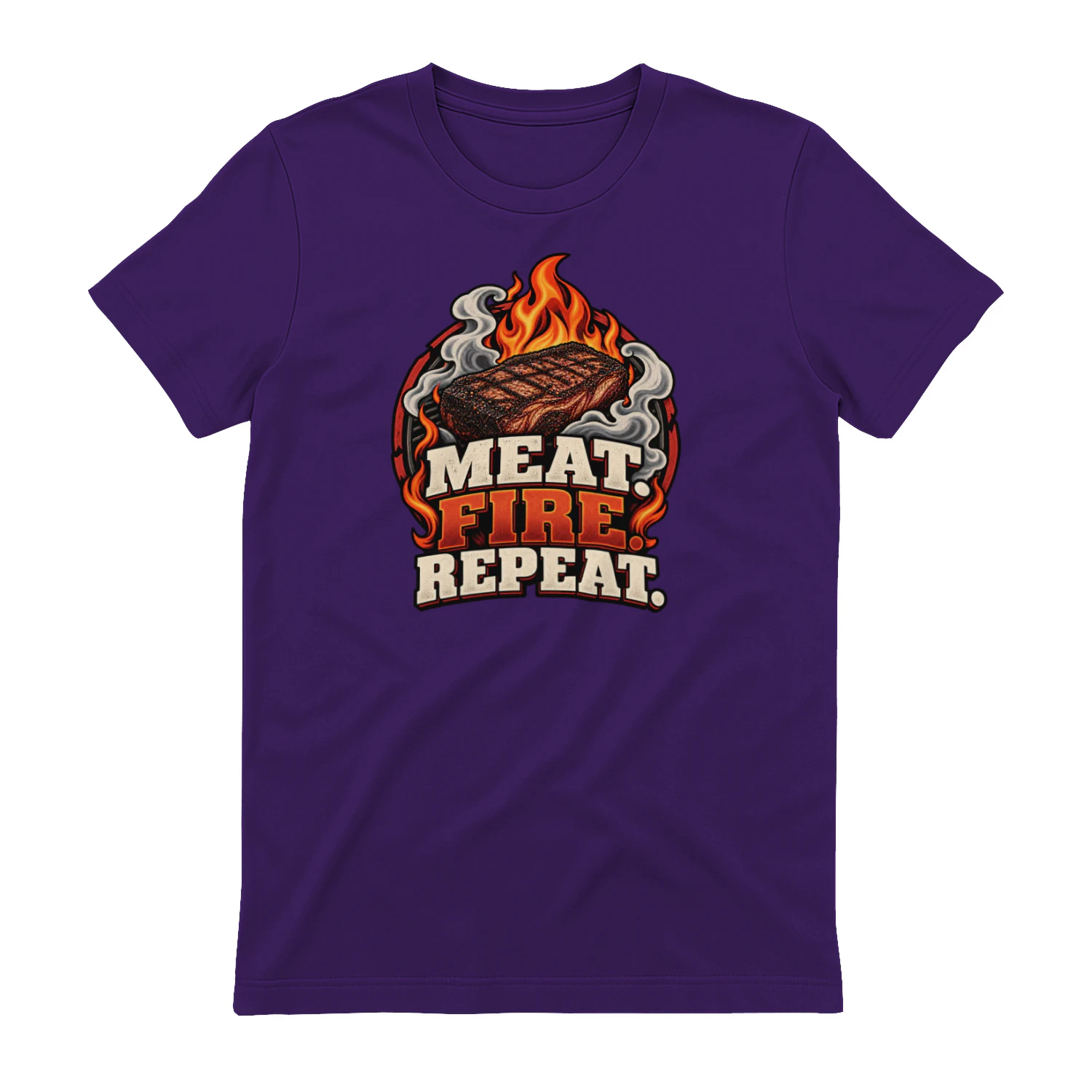
Meat. Fire. Repeat.
Official Pit Culture merchandise from Texas Thread Theory, built for people who live for fire, smoke and low-and-slow weekends.

Pit Culture Around the Pit
Official Pit Culture merchandise from Texas Thread Theory, built for people who live for fire, smoke and low-and-slow weekends.

