Oyster blade pulled beef gives Aaron Palmer a reason to reach beyond the usual brisket conversation. In this Low n Slow Basics video, he cooks a roughly 2.8-kilogram piece on a drum smoker, lets the surface develop before wrapping, and waits for tenderness before pulling it apart. The story of the cook is in those transitions, not a single target time.
Palmer presents oyster blade as one of his favorite cuts for pulled beef. His explanation centers on the seam through the cut: he describes it softening during the long cook and contrasts that approach with trimming the meat differently for steaks. The video is especially useful if the name on the butcher's label is familiar but you have not seen the whole piece prepared.
Prepare the meat while the charcoal catches
Palmer lights briquettes in his drum smoker and uses the startup time to trim the roast. He removes a prominent vein from the underside, then works on silver skin and excess surface fat. The trimming sequence is worth watching before picking up a knife, because the cut has a shape and internal seam that are easier to understand when someone points them out.
He seasons the trimmed meat and brings the smoker to about 275°F. Cherry wood supplies the smoke in this cook. Once the meat is on, his attention turns to the intake vent and where the cooker stabilizes.
That first stage has a clear purpose. Palmer wants a developed surface and seasoning that has set before he moves to the wrap. He is not treating the foil as something that must happen at a fixed minute regardless of how the meat looks.
Bark decides when the wrap starts
After nearly four hours, Palmer checks the exterior and then takes an internal reading of about 76°C. He wraps the meat tightly in two layers of foil with a little beef tallow.
In the source, he also offers an oven finish after wrapping. It is presented as an option at that stage of his method, once the initial smoking period is complete. The point for the viewer is to notice why the cooking environment changes: the bark is already established, and the remaining work is bringing the roast to the texture he wants.
What tells him the beef is ready to pull?
Palmer checks how easily the probe enters the meat, alongside a reported internal range of roughly 96–99°C. In this particular cook, the wrapped stage takes around three and a half hours, bringing the total to about seven and a half hours.
He then opens the foil briefly to let steam escape, covers the beef again and allows a rest before shredding. These are his reported times and finishing observations, not a guaranteed schedule for every piece of meat.
When he opens the package, he keeps the juices rather than discarding them. They can be mixed back into the pulled beef if needed. The final reveal also returns to the seam he discussed during trimming, showing the soft texture he was aiming for from the start.
Watch the transitions, then plan your own cook
The most useful moments are the first trim, the surface check before wrapping and the probe test at the end. Together, they show how Palmer decides that the roast is ready for the next stage.
Watch Aaron Palmer's original oyster blade pulled beef video for the full demonstration. The source includes product promotions; this companion focuses on his cooking method. For more on the fuel side of a long cook, read Pit Culture's smoking-wood guide.
PIT CULTURE MERCH
Two Pit Culture designs from Texas Thread Theory for people who live for fire, smoke and low-and-slow weekends.
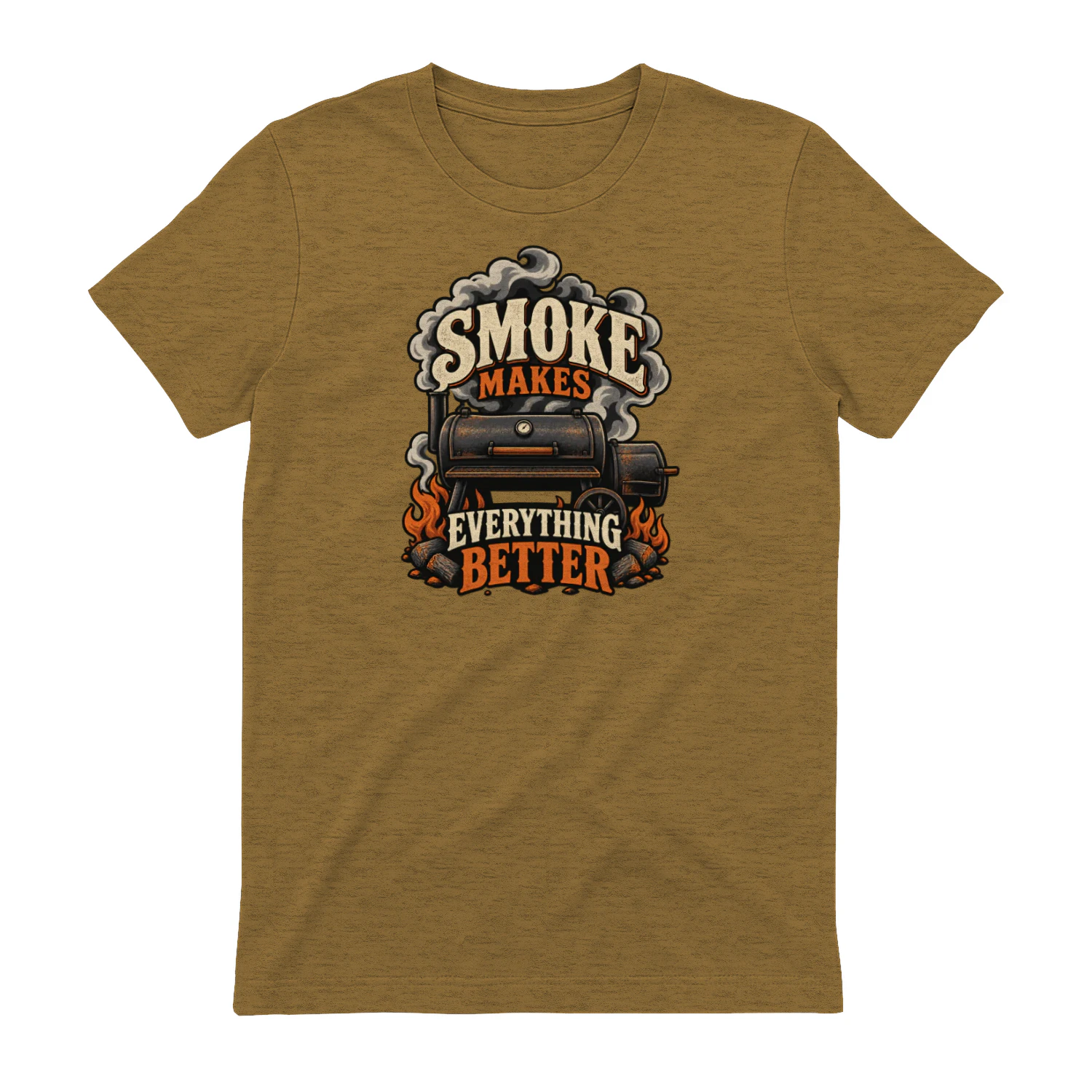
Smoke Makes Everything Better
Official Pit Culture merchandise from Texas Thread Theory, built for people who live for fire, smoke and low-and-slow weekends.

Smoke Therapy
Official Pit Culture merchandise from Texas Thread Theory, built for people who live for fire, smoke and low-and-slow weekends.
