Barbecue cooks talk about wood as fuel, but when you add wood for smoke flavor, it behaves more like seasoning. Different species produce different aromas and intensity, and using more is not automatically better.
Mesquite is one of the strongest common choices
Weber describes mesquite as bold, earthy and intense. That makes it useful with foods that can stand up to aggressive smoke, especially beef and lamb.
Because the flavor is powerful, mesquite is often easier to control when used in smaller amounts or blended with a milder wood. A long cook with too much strong smoke can move from complex to harsh.
Hickory sits in the middle
Hickory has a classic barbecue profile: savory, robust and slightly sweet. It is stronger than fruitwoods but generally less aggressive than mesquite.
That makes hickory flexible enough for pork, chicken and beef. If you are new to smoking and want a clearly recognizable smoke flavor without starting at maximum intensity, hickory is a useful reference point.
Fruitwoods are usually gentler
Apple and cherry bring milder, sweeter smoke. Weber pairs those woods with foods such as poultry, pork, fish and vegetables, where a heavy smoke profile can easily dominate.
Mild smoke is not weak smoke. It simply leaves more room for the seasoning, fat and natural flavor of the food to stay visible.
Chunks and chips behave differently
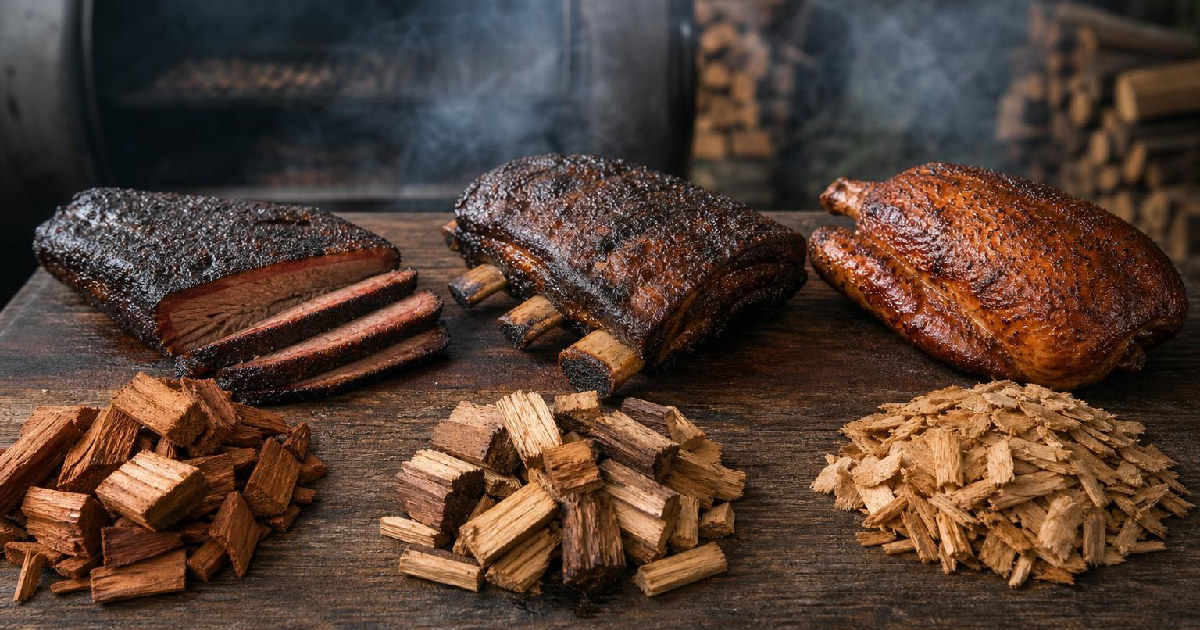
The size of the wood matters too. Weber’s smoking guides distinguish smaller chips, which burn and smoke for a shorter period, from larger chunks designed for longer cooks.
For charcoal smokers and kettle grills, chunks are often easier to manage during low-and-slow barbecue because they ignite more gradually and do not need to be added as frequently.
Match the wood to the cooking time
A short chicken cook and a twelve-hour brisket cook expose food to smoke for very different lengths of time. The longer the cook, the more important restraint becomes.
One or two chunks of a strong wood can be enough to establish flavor early in a long session. You do not need visible smoke pouring from the cooker from start to finish.
Clean smoke matters more than wood mythology
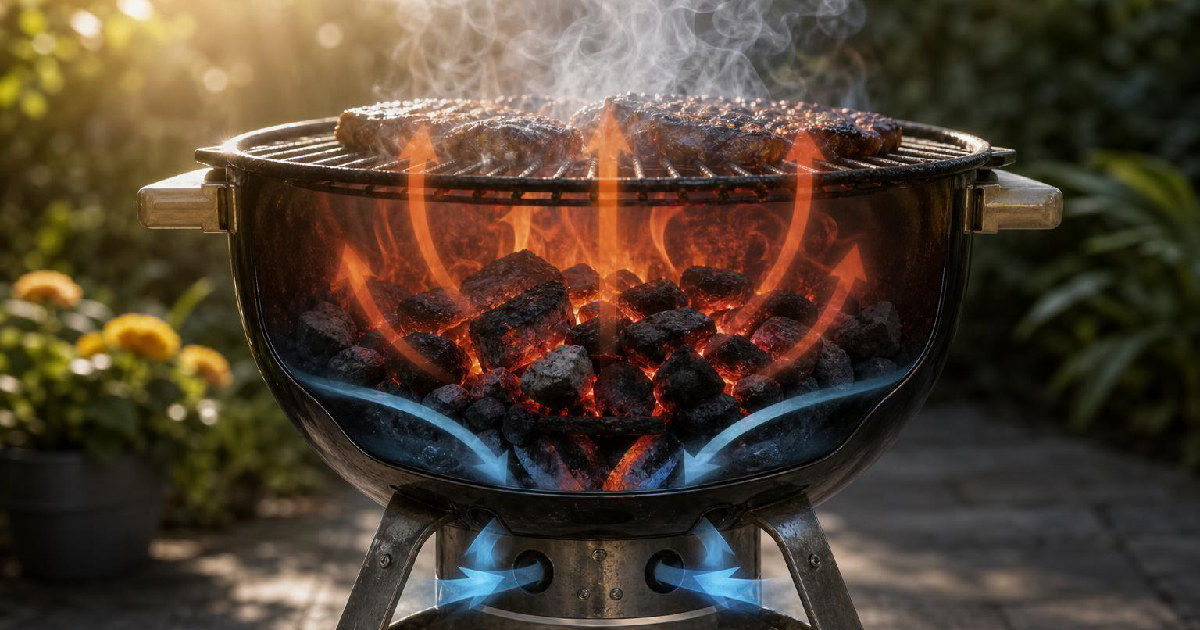
Wood species gets most of the attention, but combustion quality is just as important. A clean-burning fire usually produces a more pleasant result than a smoldering fire overloaded with supposedly “perfect” wood.
Use seasoned cooking wood, maintain airflow and avoid choking the fire simply to make more smoke.
Start mild and learn your preference
There is no universal wood chart that every barbecue cook must follow. The useful rule is simpler: match smoke intensity to the food, the cook length and your own taste.
Start with a milder amount, take notes and add more next time if the result feels too subtle. It is much easier to add smoke on the next cook than to remove an overpowering flavor from the one already on the plate.
PIT CULTURE MERCH
Two Pit Culture designs from Texas Thread Theory for people who live for fire, smoke and low-and-slow weekends.
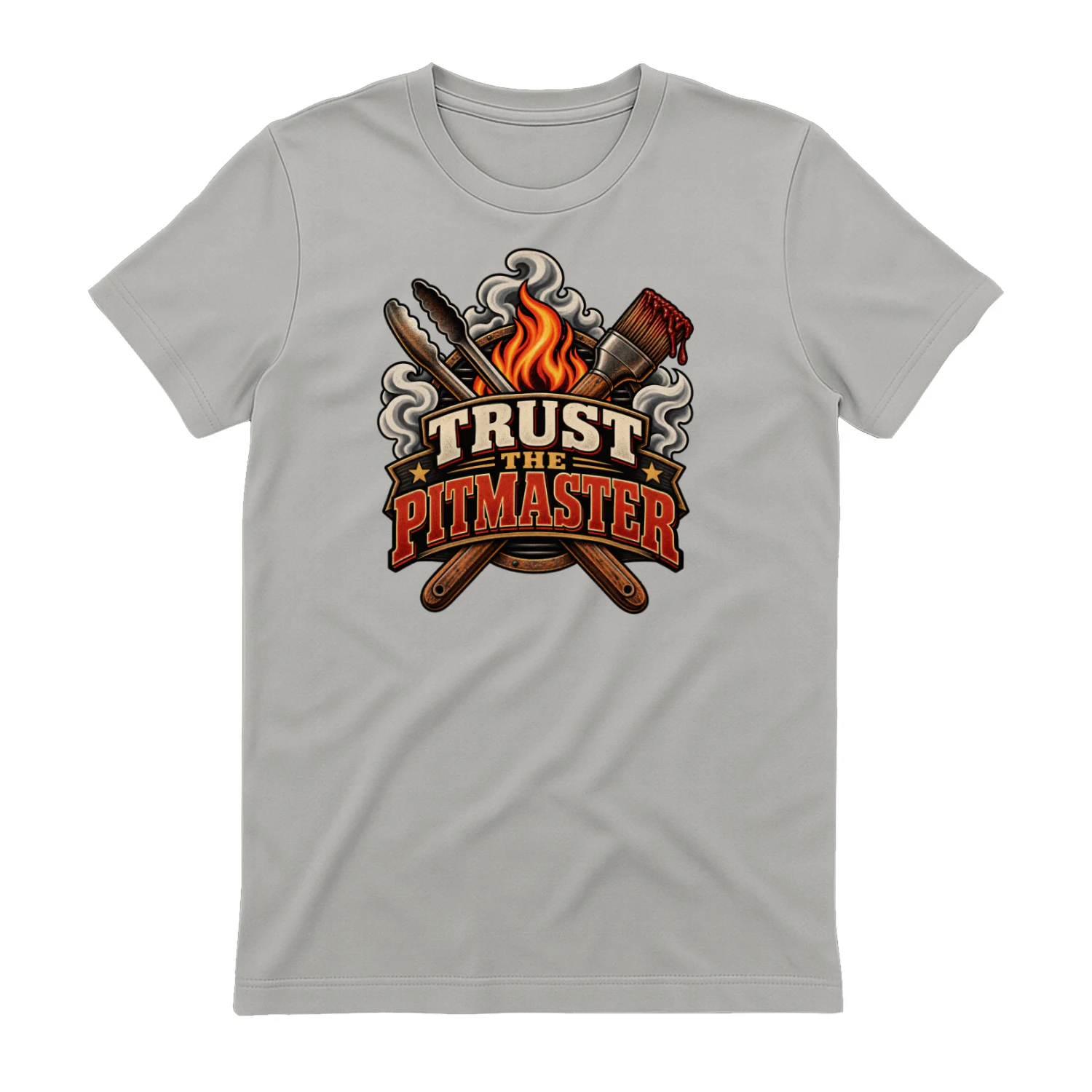
Trust the Pitmaster
Official Pit Culture merchandise from Texas Thread Theory, built for people who live for fire, smoke and low-and-slow weekends.
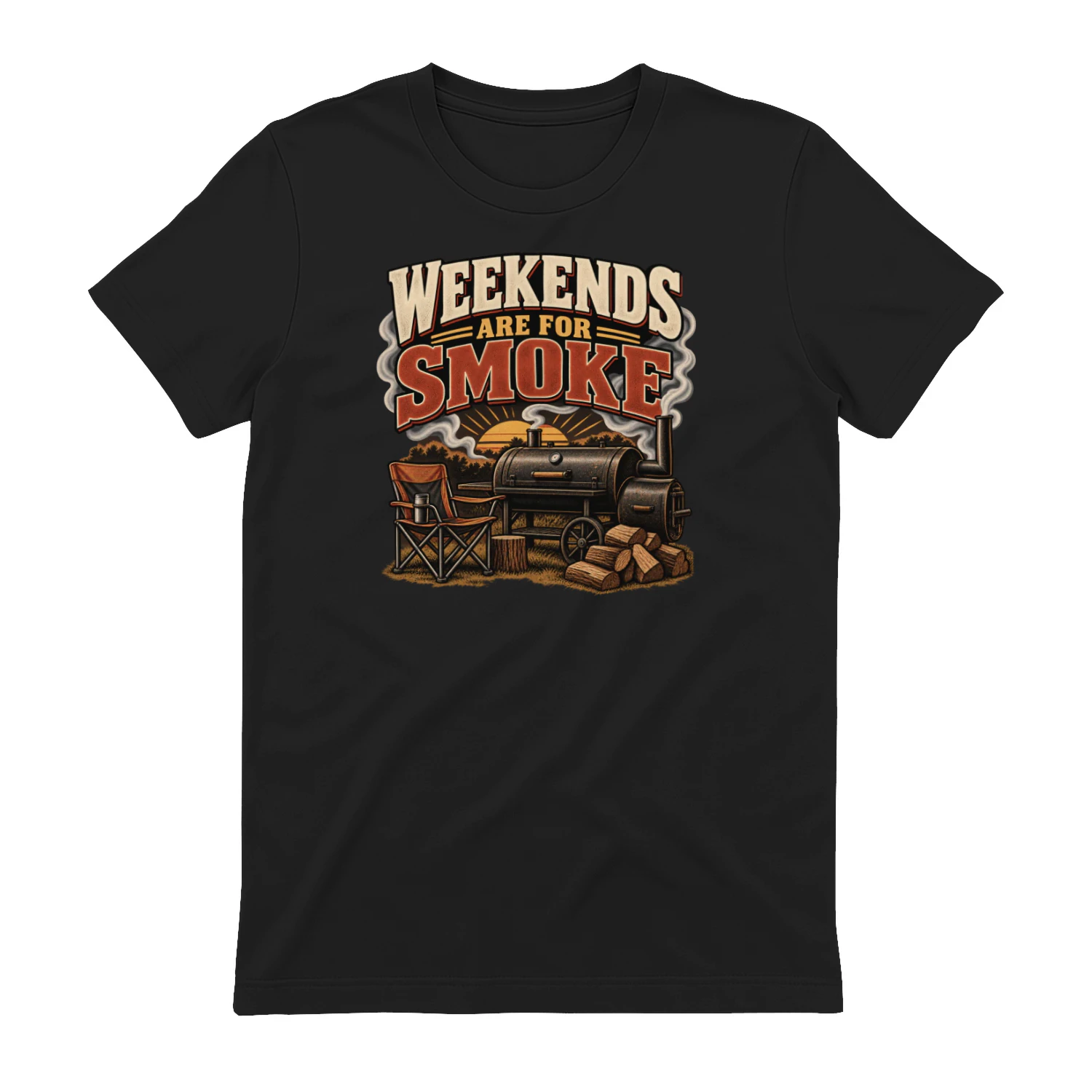
Weekends Are for Smoke
Official Pit Culture merchandise from Texas Thread Theory, built for people who live for fire, smoke and low-and-slow weekends.