A lot of backyard cooks still treat 160°F as the automatic finish line for every piece of pork. That is not the current USDA guidance for whole-muscle cuts. Pork chops, pork steaks, and pork roasts have a lower safe minimum temperature than ground pork, and the difference matters if you want to cook safely without automatically pushing a lean chop farther than necessary.
The current USDA number for whole pork
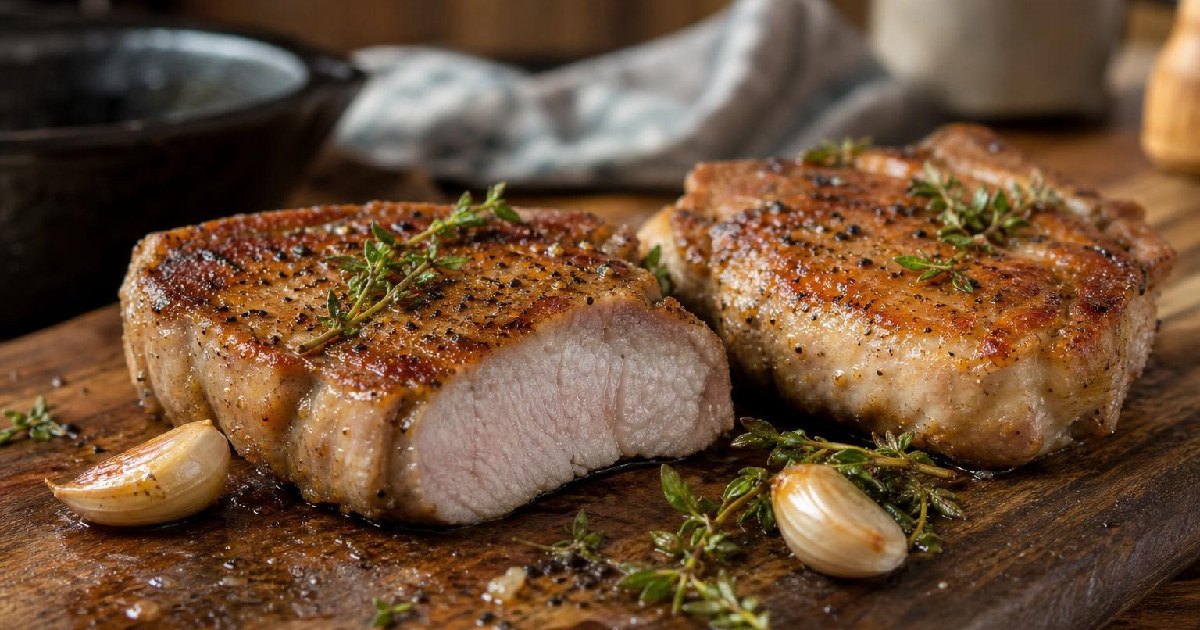
The Food Safety and Inspection Service says raw pork steaks, chops, and roasts should reach a minimum internal temperature of 145°F as measured with a food thermometer. After the meat comes off the heat, USDA calls for a rest of at least three minutes before carving or eating.
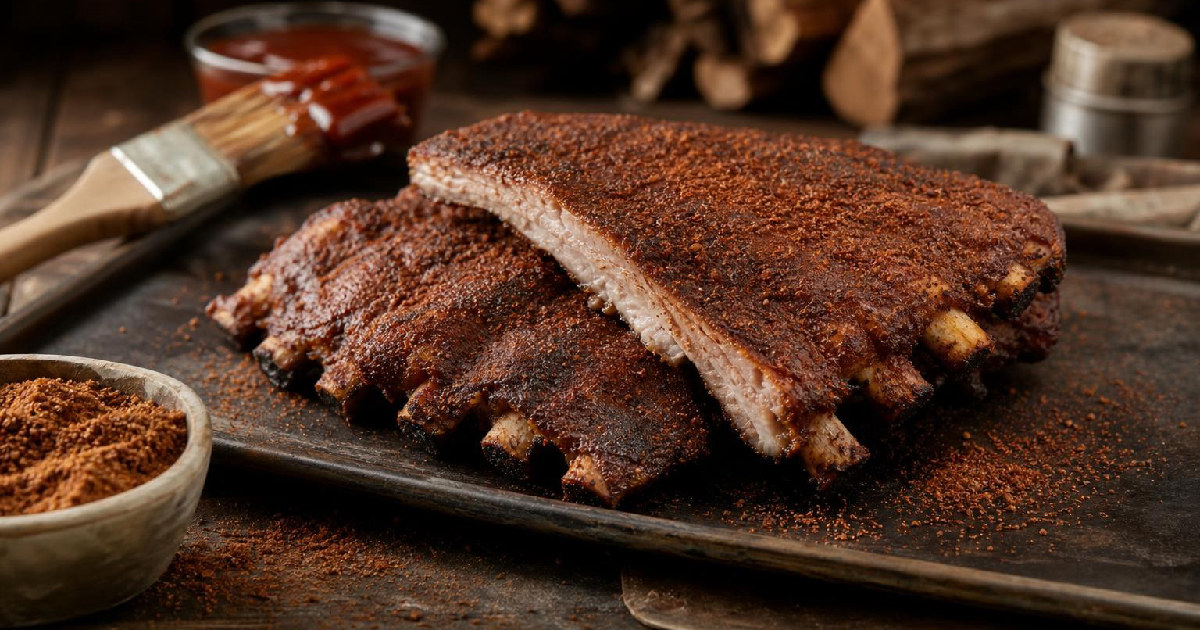
That minimum applies to whole-muscle pork. It does not mean every barbecue cut is at its best texture at 145°F. A pork shoulder cooked for pulled pork, for example, is usually taken much higher because the goal is to soften connective tissue. Safety and barbecue texture are related, but they are not the same target.
Ground pork is different
Ground pork remains a 160°F food under USDA guidance. Grinding mixes the exterior of the meat throughout the product, which changes the food-safety approach. That is why a ground pork patty and a pork chop do not share the same safe minimum.
The distinction is easy to remember: intact steaks, chops, and roasts can use the 145°F-plus-rest rule; ground pork should reach 160°F.
Color is not a thermometer
Pork can retain some pink color even after it reaches a safe temperature. It can also look more done than it actually is. Visual cues are not a reliable substitute for measuring the center of the thickest part with a food thermometer.
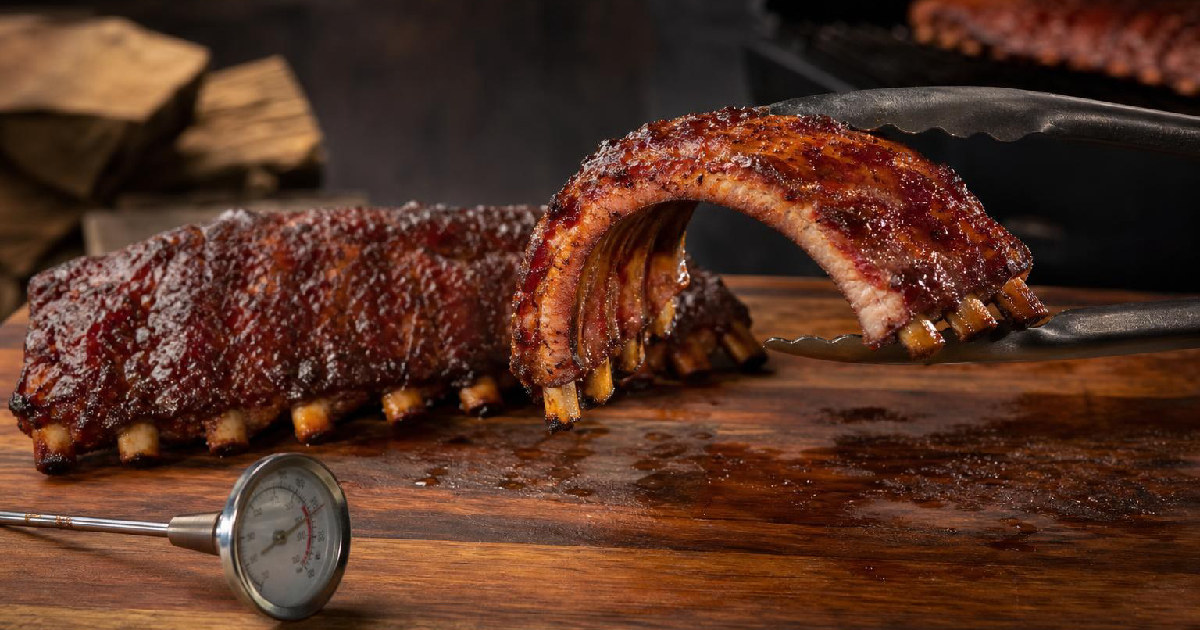
For grilling, probe away from bone and avoid placing the sensor in a pocket of fat. With thin chops, an instant-read thermometer makes it easier to check quickly without leaving the grill open for long.
The three-minute rest is part of the rule
The rest is not an optional footnote in the USDA recommendation. The guidance pairs 145°F with at least three minutes of resting for safety and quality. That is different from the longer rests pitmasters may use for large barbecue cuts to manage juices and serving temperature.
The practical takeaway
Do not use one temperature for every pork product. A whole pork chop or roast has a USDA safe minimum of 145°F plus a three-minute rest. Ground pork is 160°F. A barbecue cut may need a higher finishing temperature for tenderness, but that is a texture decision. The safest way to know where you are is still the simplest: use a food thermometer.
PIT CULTURE MERCH
Two Pit Culture designs from Texas Thread Theory for people who live for fire, smoke and low-and-slow weekends.
Good Smoke. Good People
Official Pit Culture merchandise from Texas Thread Theory, built for people who live for fire, smoke and low-and-slow weekends.
Low & Slow
Official Pit Culture merchandise from Texas Thread Theory, built for people who live for fire, smoke and low-and-slow weekends.