Ask someone to describe South Carolina barbecue and there is a good chance the answer will be “mustard sauce.” That is not wrong, but it leaves out most of the map.
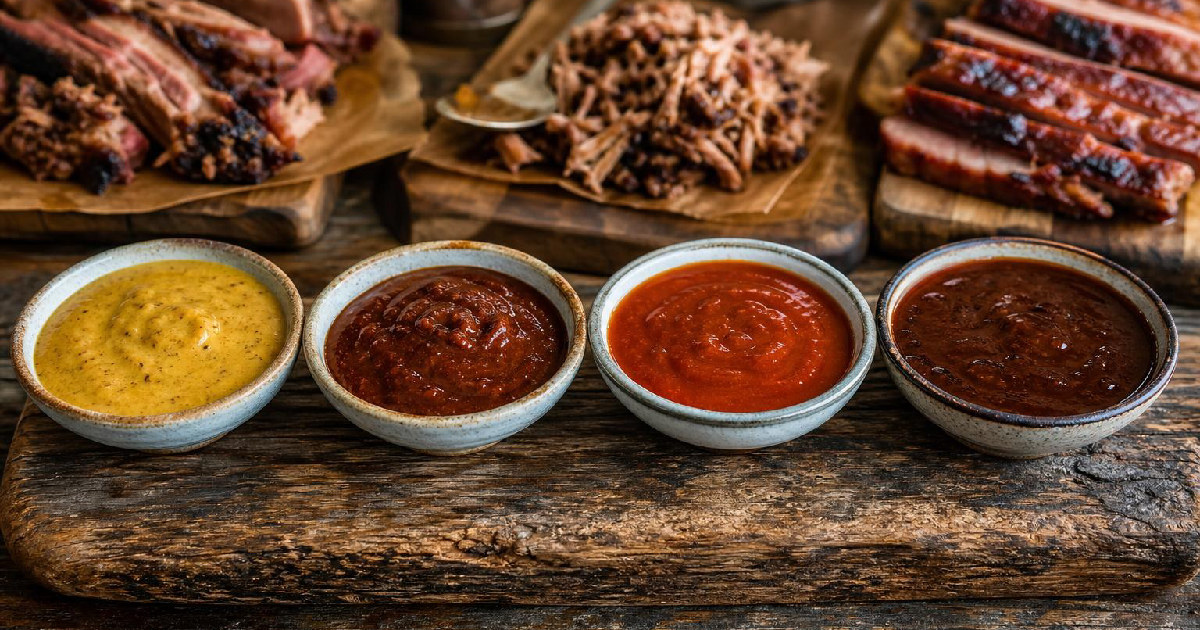
South Carolina’s official tourism guide recognizes four major barbecue sauce traditions: mustard, vinegar and pepper, light tomato and heavy tomato. They overlap, migrate and show up in different forms from one pit to the next, but the regional pattern helps explain why barbecue can taste so different across one state.
Mustard is strongly tied to the Midlands
The Midlands are the part of South Carolina most closely associated with mustard-style barbecue sauce. Discover South Carolina describes mustard sauce as a defining regional style there, often alongside a lighter tomato sauce.
Mustard sauce typically brings tang, spice and enough sweetness to round out smoked pork without hiding it. Its bright yellow color makes it visually distinctive, which helps explain why outsiders sometimes treat it as the state’s only style.
The coast leans toward vinegar and pepper
Along the South Carolina coast, vinegar-and-pepper sauce is especially prominent. The official coastal barbecue trail describes it as a historic regional favorite and one of the state’s oldest sauce traditions.
That style is thinner and sharper than mustard or tomato sauces. Instead of coating meat with a heavy glaze, it seasons chopped or pulled pork with acidity, heat and just enough liquid to carry flavor through the meat.
Tomato sauces change as you move inland
South Carolina also has both light and heavy tomato traditions. Light tomato sauces keep much of the tang and thin texture associated with vinegar sauces but add ketchup or tomato for sweetness and body. Heavy tomato sauces move closer to the thicker, sweeter barbecue sauces familiar in other parts of the country.
The lines are not perfectly neat. Restaurants often make their own versions, combine styles or put several bottles on the table. That is part of the culture rather than a contradiction.
The sauce map is really a history map
Regional barbecue sauces developed around migration, local ingredients and community habits. That means a sauce is more than a condiment. It can tell you something about where a barbecue tradition grew up.
For travelers, understanding the four-sauce framework makes a South Carolina barbecue trip more useful. Instead of searching for a single “correct” version, you can compare how different regions season similar smoked pork.
What backyard cooks can learn from the four-sauce system
The biggest lesson is that sauce should match the meat and the cooking style rather than overpower both.
A vinegar-pepper sauce can wake up rich pulled pork. Mustard can add acidity and spice without becoming syrupy. A light tomato sauce gives sweetness while staying relatively thin. A heavier tomato sauce works when you want more coating and caramelized sweetness.
Try serving two sauces with the same batch of pork instead of mixing one sauce into everything. It is one of the easiest ways to see how much the finishing sauce changes the final barbecue experience.
South Carolina barbecue is better understood as a regional system
Reducing South Carolina barbecue to one sauce style misses what makes the state’s tradition distinctive. The shorthand is useful, but the real culture is broader.
Mustard, vinegar and pepper, light tomato and heavy tomato all belong to the state’s barbecue identity. Once you recognize the four traditions, the differences between regions stop looking inconsistent and start looking like the point.
PIT CULTURE MERCH
Two Pit Culture designs from Texas Thread Theory for people who live for fire, smoke and low-and-slow weekends.
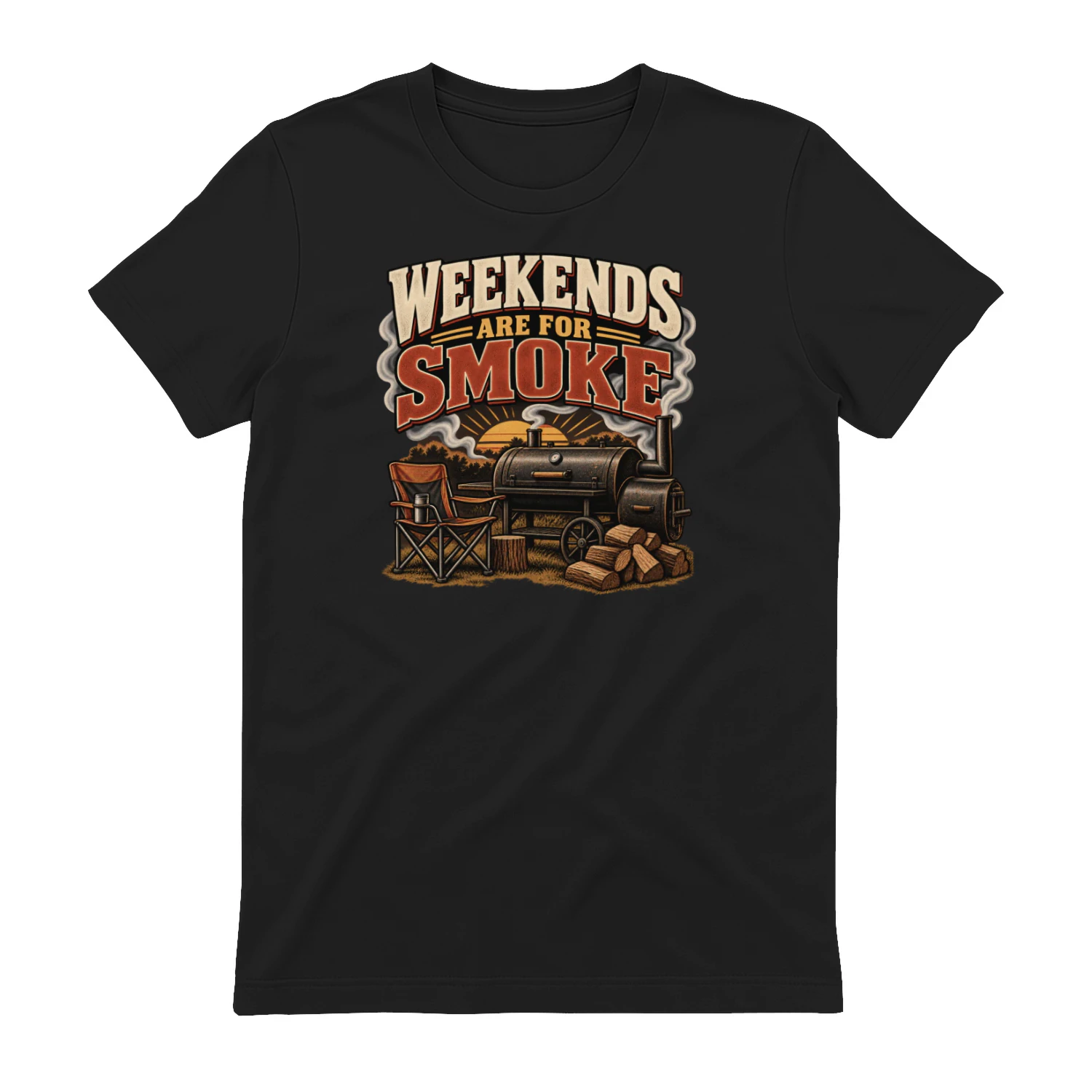
Weekends Are for Smoke
Official Pit Culture merchandise from Texas Thread Theory, built for people who live for fire, smoke and low-and-slow weekends.
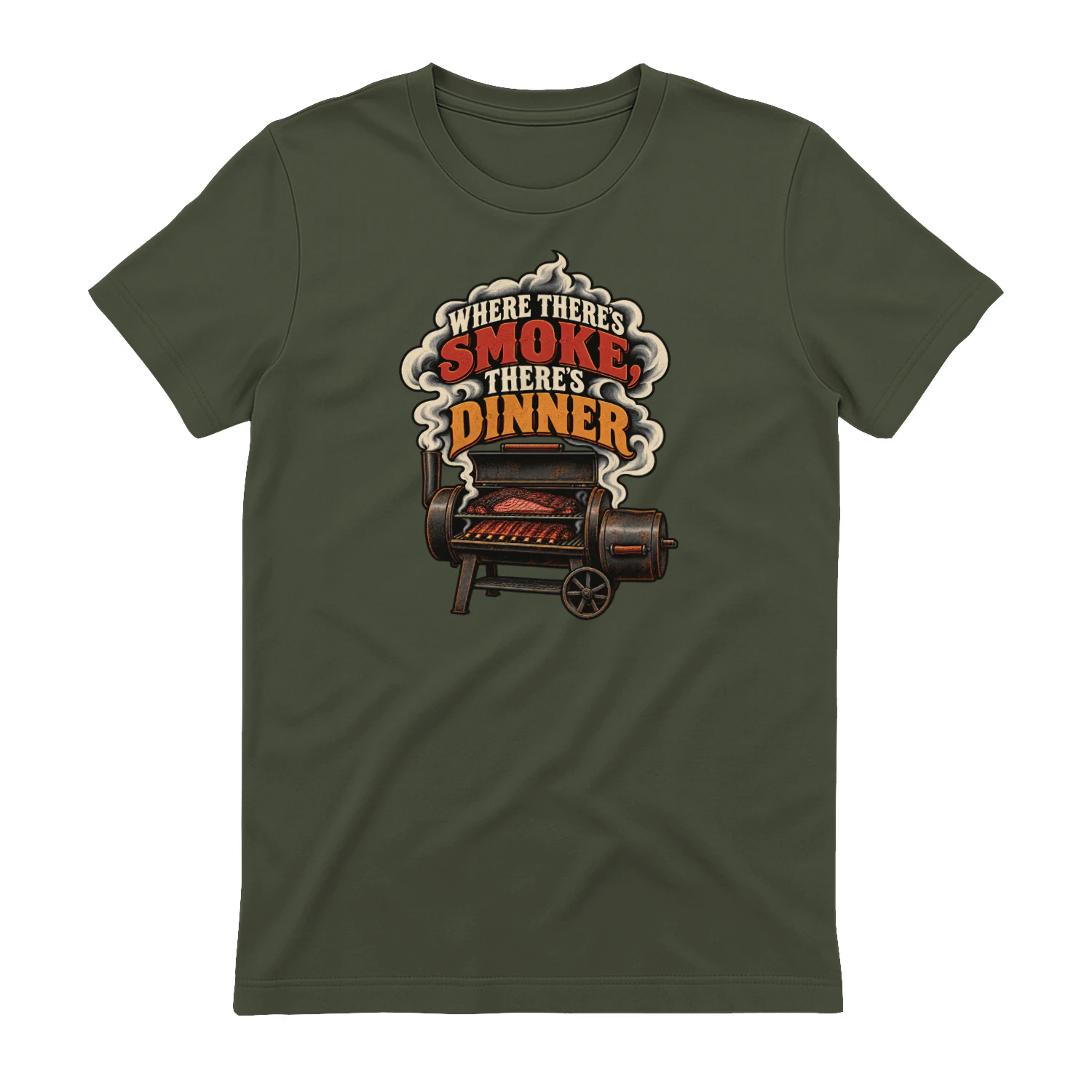
Where There's Smoke, There's Dinner
Official Pit Culture merchandise from Texas Thread Theory, built for people who live for fire, smoke and low-and-slow weekends.