North Carolina barbecue arguments usually sound like people are debating one dish. In reality, the state’s two best-known traditions start from different cuts of pork and finish with different sauces and sides.
Eastern style starts with the whole hog
Visit North Carolina describes Eastern-style barbecue as whole hog cooked low and slow, then finished with a vinegar-and-pepper sauce. Cooking the whole animal means the finished barbecue blends leaner and richer sections instead of centering one cut.
The sauce is intentionally thin. Vinegar adds brightness to rich pork while pepper adds heat without coating the meat in a heavy glaze.
Lexington style focuses on pork shoulder
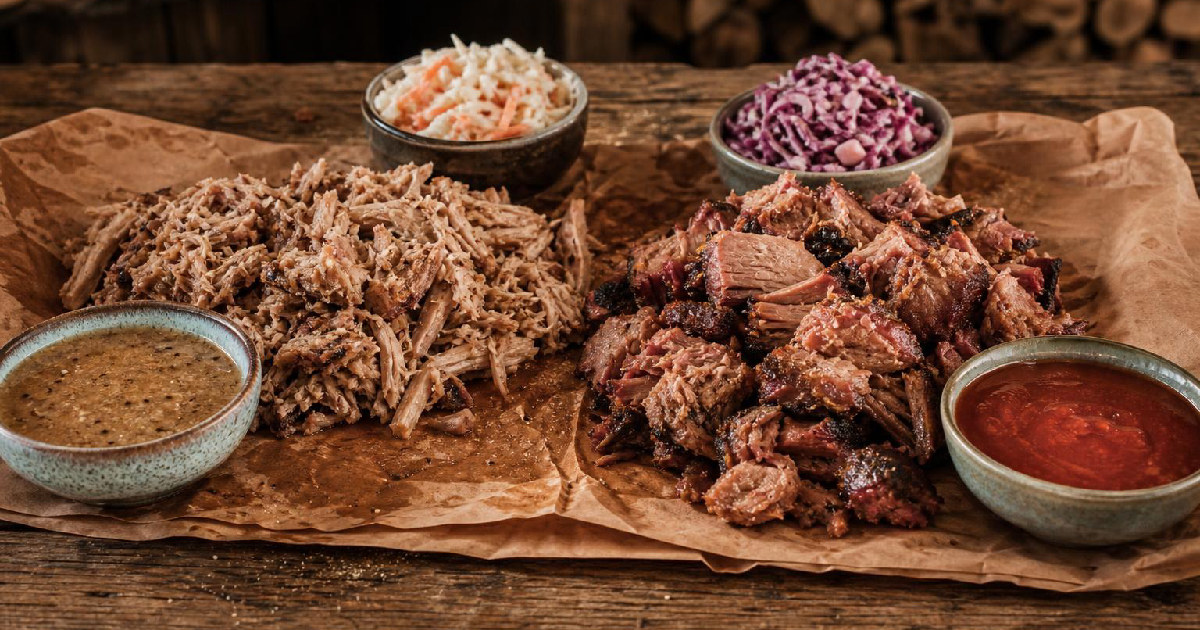
In the Piedmont, Lexington-style barbecue centers on pork shoulder. Visit North Carolina describes the pork as hickory-smoked and pit-cooked, often served chopped or sliced rather than pulled.
The sauce, often called “dip,” keeps the vinegar backbone but adds tomato, sugar and seasoning. That shift gives Lexington barbecue a little more sweetness and color while staying much thinner than many bottled barbecue sauces.
Red slaw is part of the identity
Lexington-style plates are closely associated with red slaw, a cabbage slaw dressed with the same tomato-vinegar flavor family as the barbecue dip. White slaw also appears, but red slaw is one of the most recognizable markers of the regional style.
That matters because barbecue traditions are rarely just about the meat. Sauce, sides, serving style and local expectations are part of what makes a regional plate feel complete.
The fuel still matters
Both traditions are connected to wood-fired pit cooking. Visit North Carolina describes Lexington pork shoulder as cooked over oak and hickory coals and identifies wood-fired methods as part of the broader state tradition.
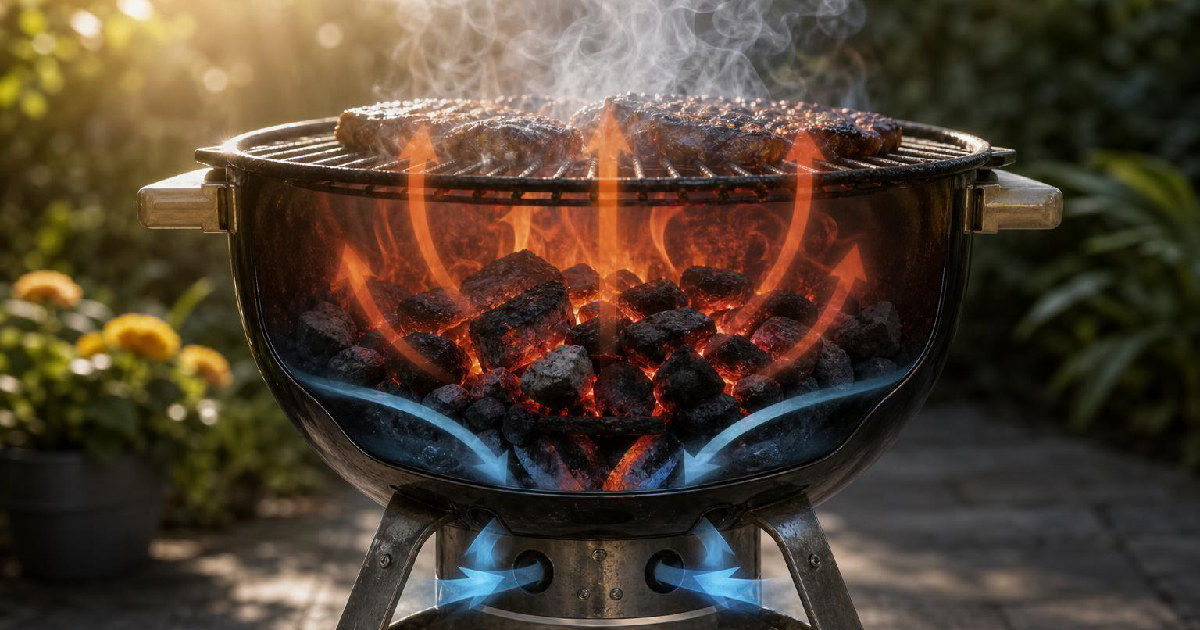
For backyard cooks, that is a useful reminder that smoke should support the meat rather than overwhelm it. Clean combustion and steady heat matter more than producing the biggest possible smoke cloud.
Which style should you cook at home?
If you want to try Eastern-inspired barbecue, a whole hog is not required. You can borrow the flavor profile by using a vinegar-pepper finishing sauce on pork shoulder and keeping the sauce thin and sharp.
For a Lexington-inspired plate, use shoulder, add a tomato-tinged vinegar dip and serve red slaw alongside it. The point is not to claim restaurant-level authenticity from one backyard cook. It is to understand how regional choices change the final plate.
Two traditions make the state more interesting
North Carolina barbecue is easier to appreciate once you stop looking for a single statewide definition. Eastern whole hog and Lexington shoulder are related traditions, but they make different choices about meat, sauce and sides.
That difference is not a problem to solve. It is the reason the state’s barbecue culture has so much depth.
PIT CULTURE MERCH
Two Pit Culture designs from Texas Thread Theory for people who live for fire, smoke and low-and-slow weekends.
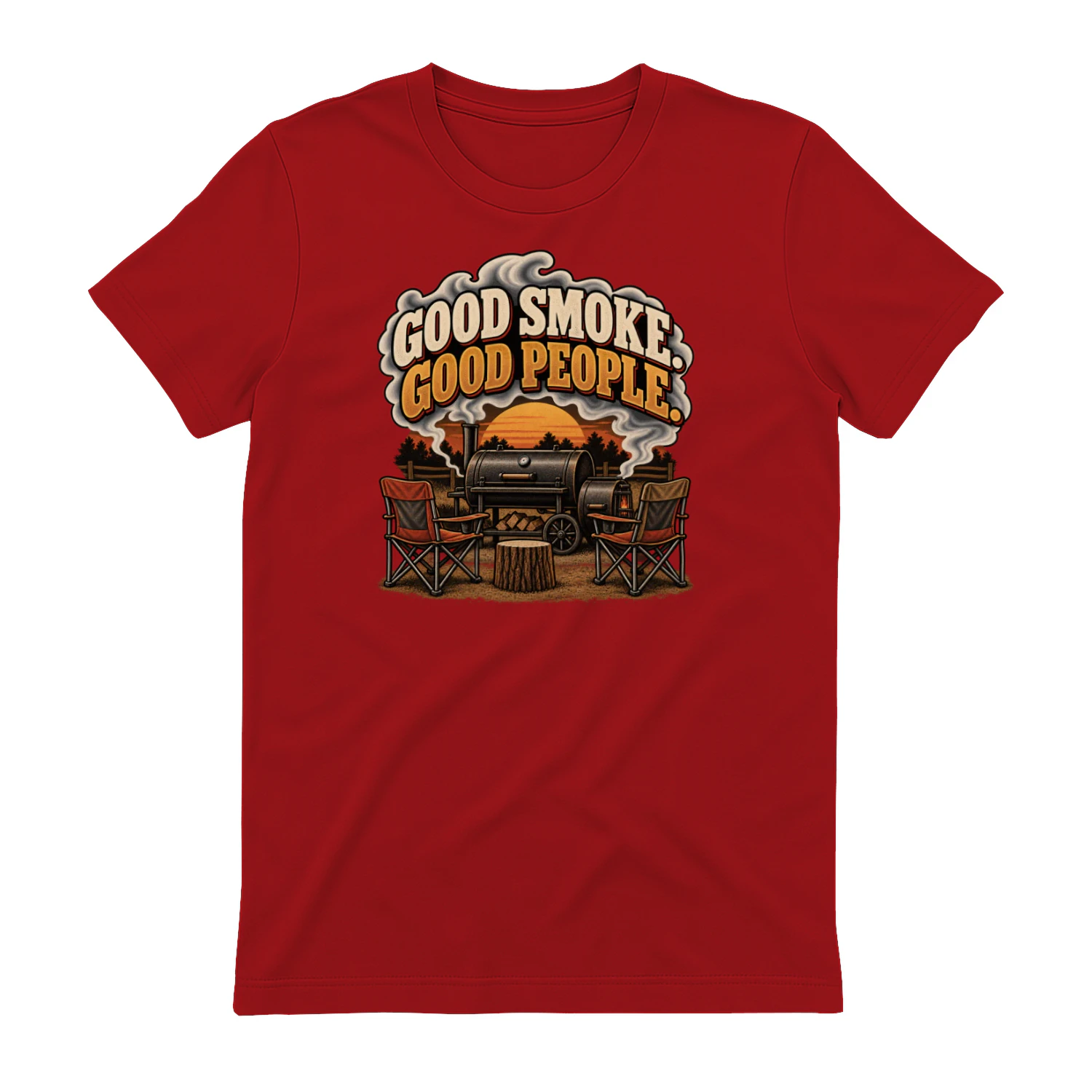
Good Smoke. Good People
Official Pit Culture merchandise from Texas Thread Theory, built for people who live for fire, smoke and low-and-slow weekends.
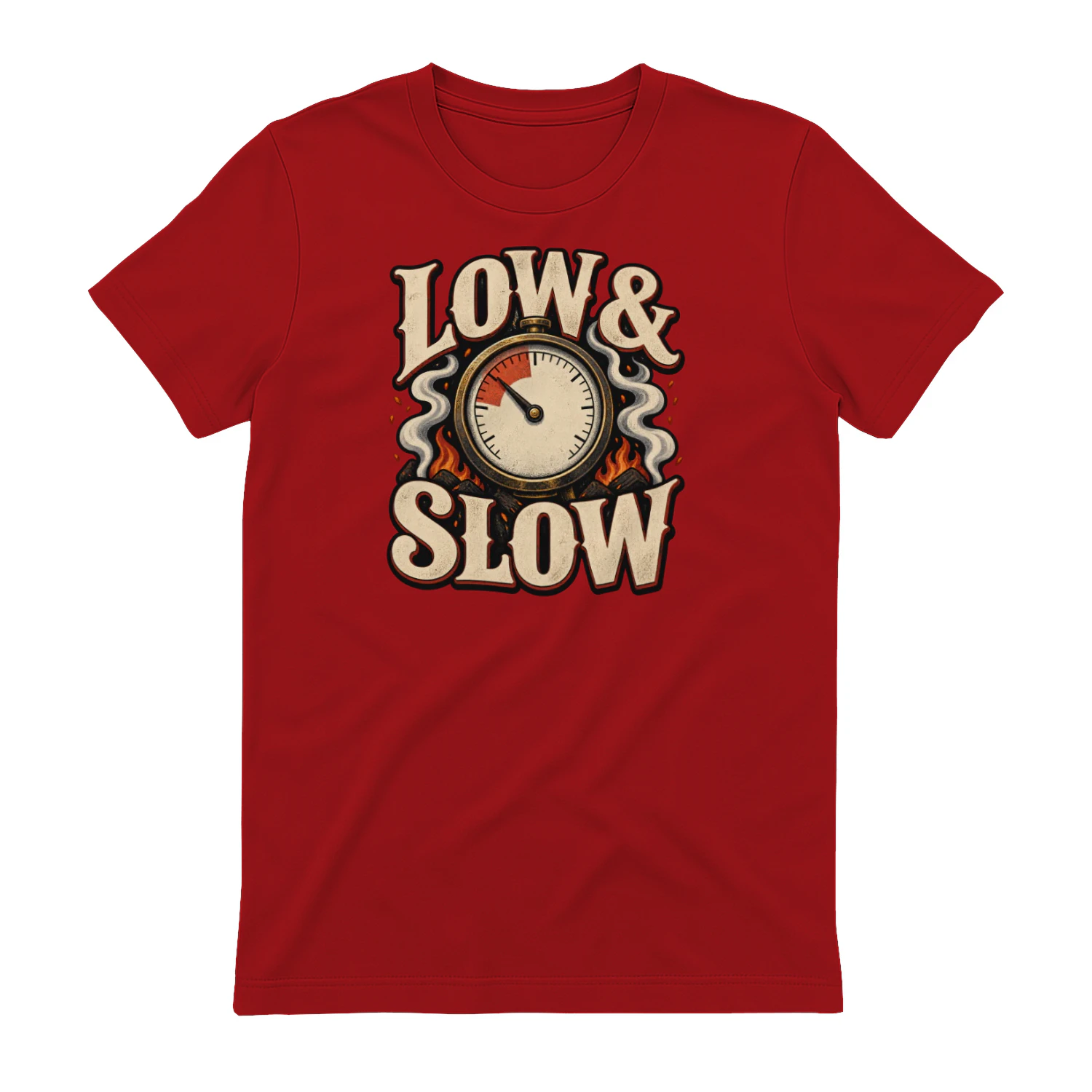
Low & Slow
Official Pit Culture merchandise from Texas Thread Theory, built for people who live for fire, smoke and low-and-slow weekends.