Pellet grills can look deceptively simple from the outside. Set a temperature, close the lid, and the cooker works without the hands-on fire tending associated with a charcoal kettle or offset smoker. Under the hood, though, the basic idea is still live-fire cooking. Hardwood pellets are the fuel. Electricity runs the system that meters and manages that fuel.
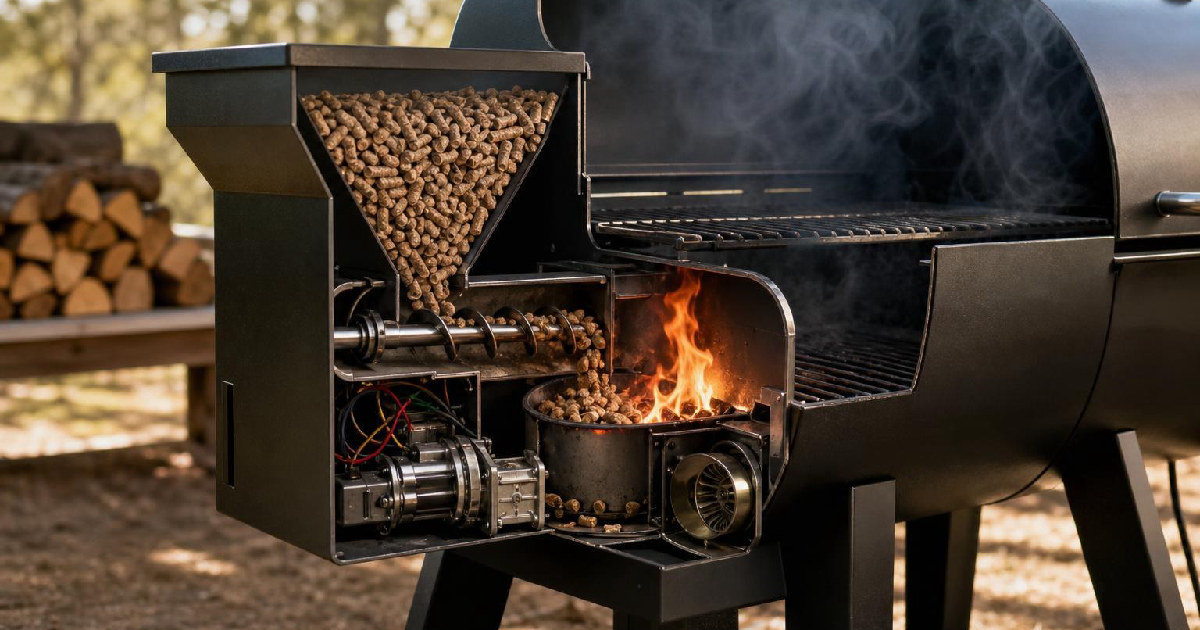
The hopper stores the fuel
A pellet grill starts with a hopper filled with compressed hardwood pellets. The pellets are not decorative smoke flavor added to another heat source. They are what burns to produce the cooking heat.
Traeger describes the next step as an auger moving pellets from the hopper toward the fire pot. The auger is essentially a powered screw that delivers fuel at a controlled rate. Feed more pellets and the fire has more fuel available; feed fewer and the system can settle into a lower cooking range.
The fire happens in the fire pot
Pellets arrive in a small burn chamber where an igniter helps start combustion. Once the fire is established, a fan supplies air and circulates heat and smoke through the cooking chamber. The controller coordinates these powered components so the grill can work toward the temperature selected by the cook.
That is the key distinction: electricity operates the controller, ignition system, auger, and fan, but the heat-producing fuel is hardwood. A pellet cooker is not simply an electric heating element with wood flavor added later.
Why pellet grills feel different from other smokers
An offset smoker asks the cook to manage a wood or charcoal fire directly. A kettle usually requires manual control of fuel placement and dampers. A pellet grill automates much of that relationship between fuel and airflow. The cook still chooses temperature, food placement, timing, and doneness, but the machine handles more of the fire-management loop.
That automation is why pellet grills are often described as convenient. It is also why they depend on electricity even though the actual fire is wood-fueled. If the auger, fan, or controller cannot operate, the system cannot meter the pellets and move air as designed.
Smoke flavor still starts with the pellets
Pellet species and blends can change the character of the smoke. Traeger currently offers options built around woods such as oak, hickory, mesquite, apple, and cherry. The exact intensity varies with the cooker and the cook, but the fuel itself remains central to both heat and smoke.
The practical takeaway
Think of a pellet grill as an automated wood-fire cooker. The electrical system manages delivery and airflow. The pellets create the fire. Understanding that division makes it easier to troubleshoot the cooker, choose fuel, and understand why a pellet grill behaves differently from either a conventional electric appliance or a manually tended smoker.
PIT CULTURE MERCH
Two Pit Culture designs from Texas Thread Theory for people who live for fire, smoke and low-and-slow weekends.
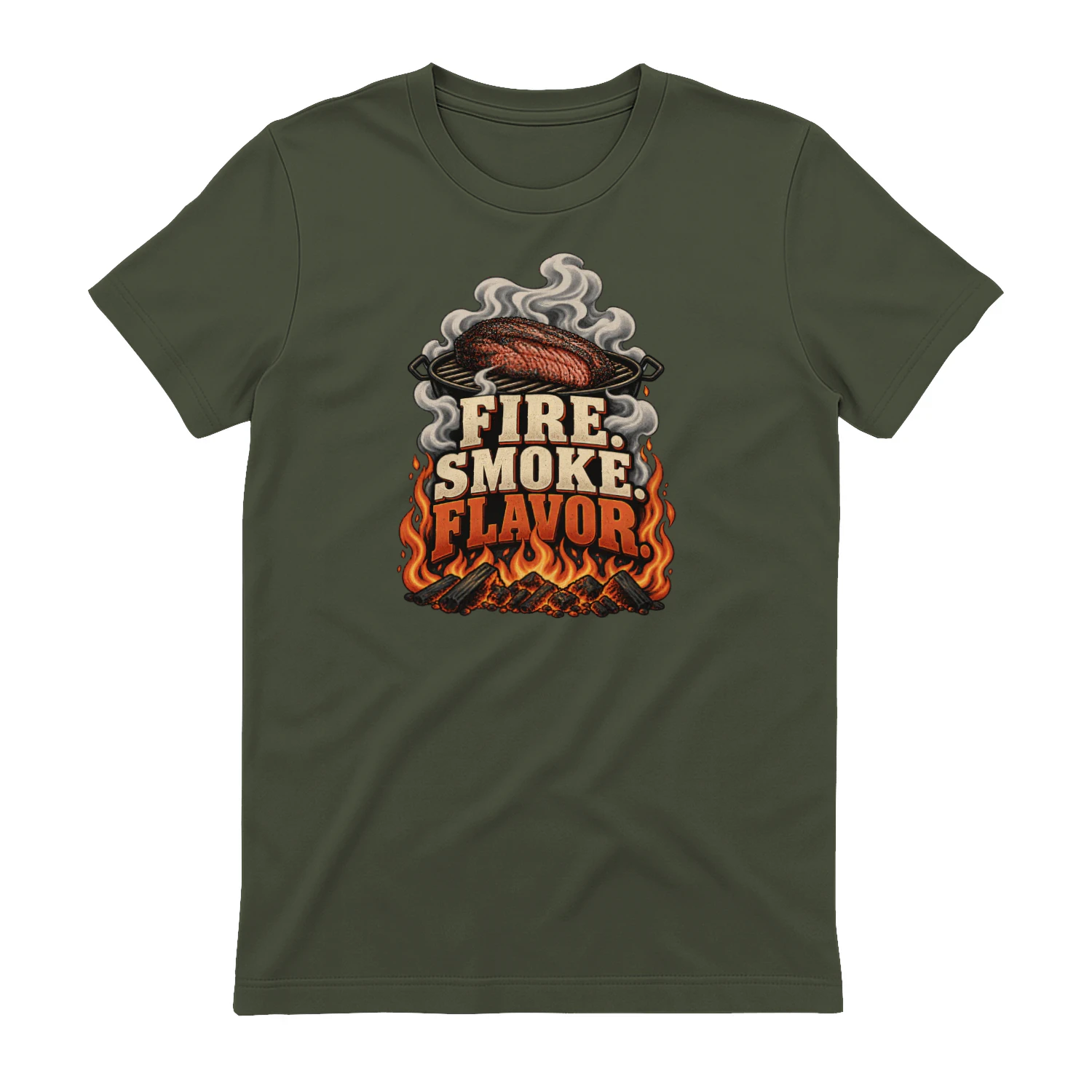
Fire. Smoke. Flavor.
Official Pit Culture merchandise from Texas Thread Theory, built for people who live for fire, smoke and low-and-slow weekends.
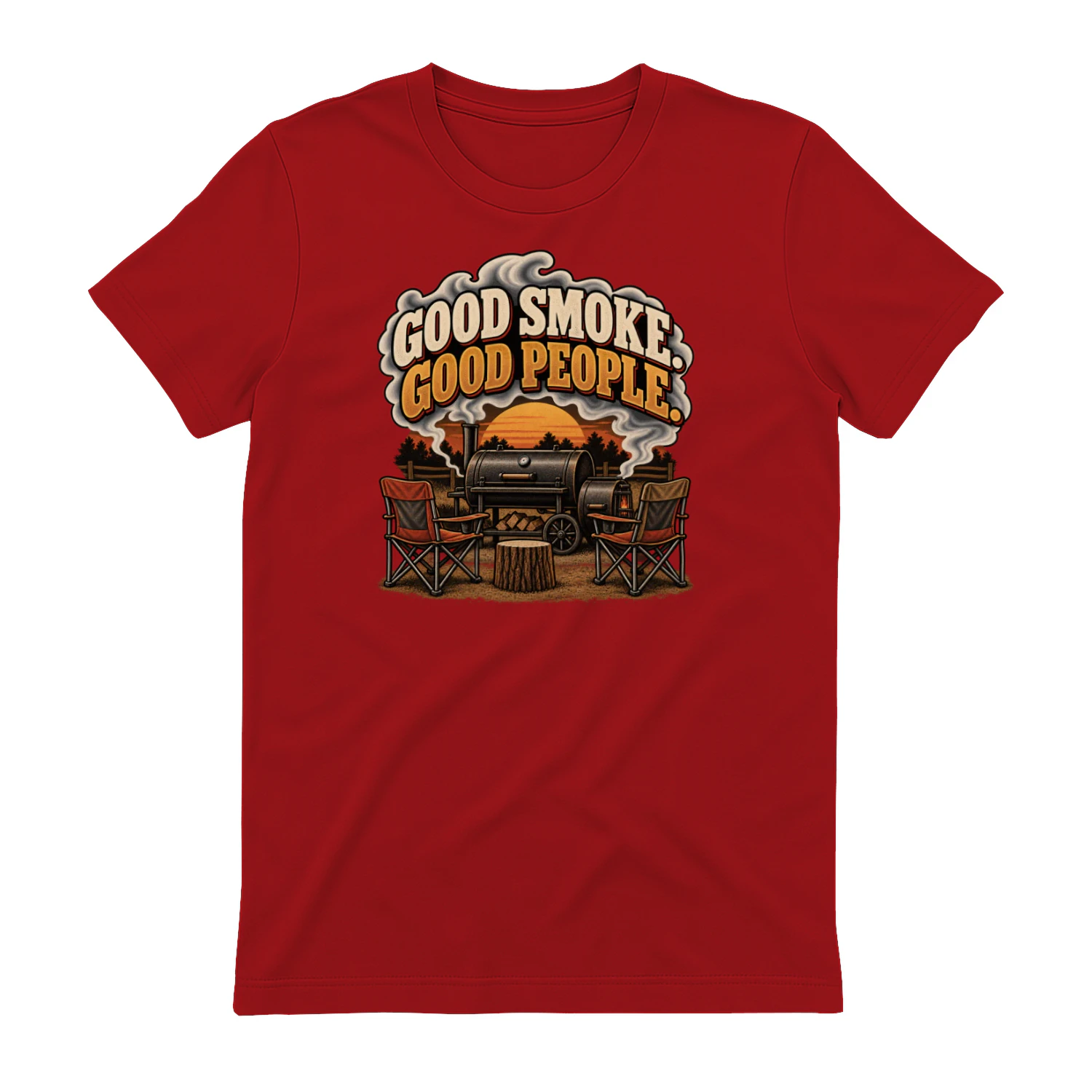
Good Smoke. Good People
Official Pit Culture merchandise from Texas Thread Theory, built for people who live for fire, smoke and low-and-slow weekends.