STORIES
Barbecue stories, pitmaster profiles, recipes, techniques, gear and regional traditions from across the culture of smoke and fire.
MATCHING STORIES
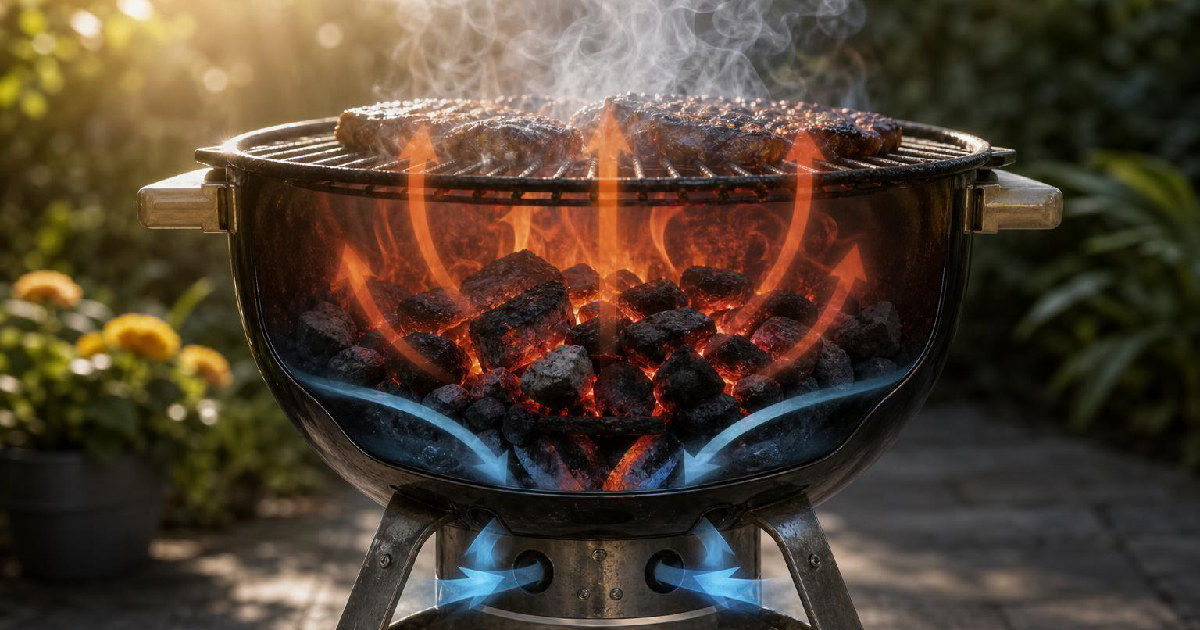
Your Charcoal Grill Temperature Is Controlled by Air as Much as by Fuel
Charcoal temperature control is largely airflow control: opening dampers feeds the fire more oxygen, while reducing airflow slows combustion and lowers the grill temperature.
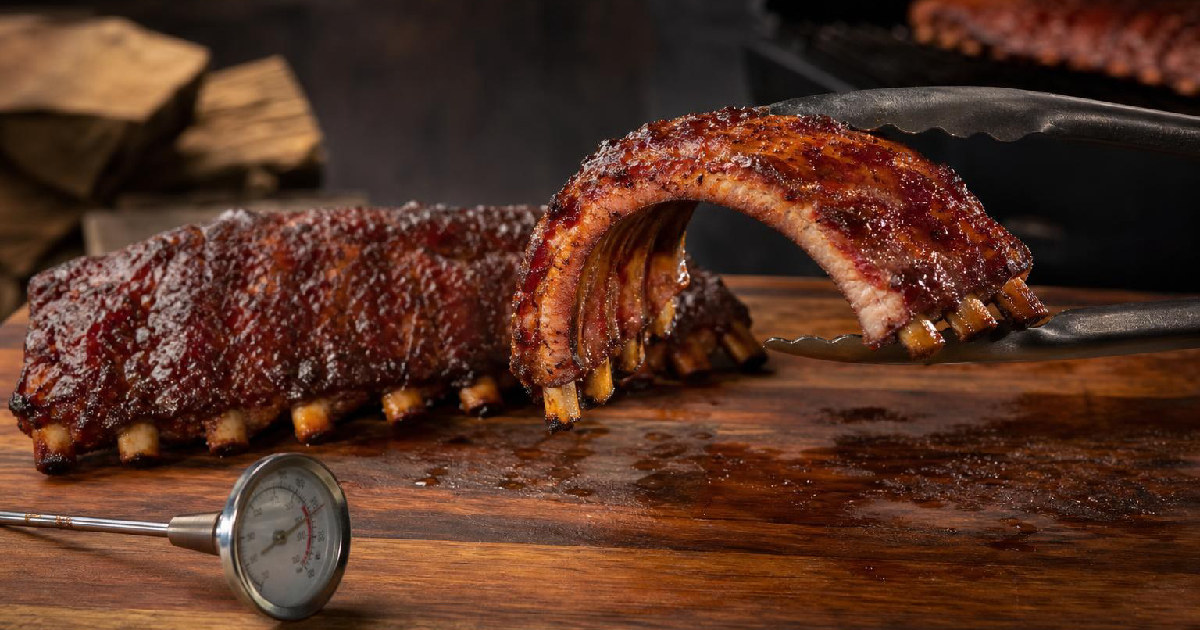
Ribs Are Done When They Bend, Not When the Clock Says So
Pork ribs can be food-safe before they are barbecue-tender. Learn how temperature, bone pullback and the bend test work together to tell you when a rack is actually ready.
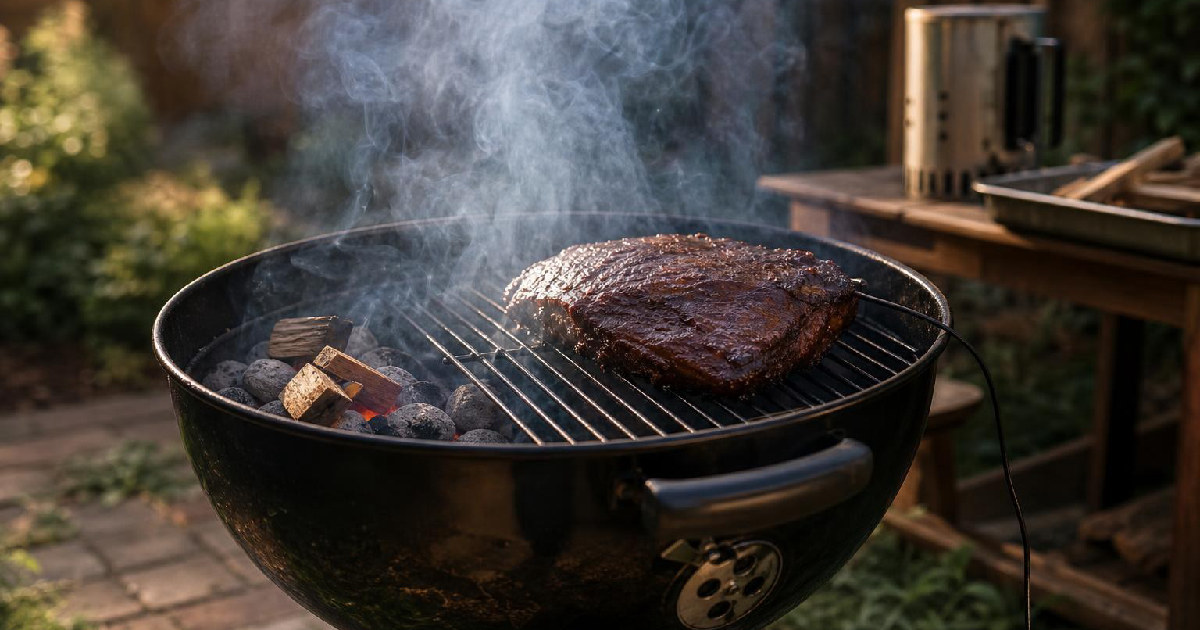
A Kettle Grill Can Smoke Low and Slow If You Control the Air
The secret to smoking on a kettle grill is not a gadget. It is managing airflow, indirect heat and fuel so the fire burns steadily instead of racing.
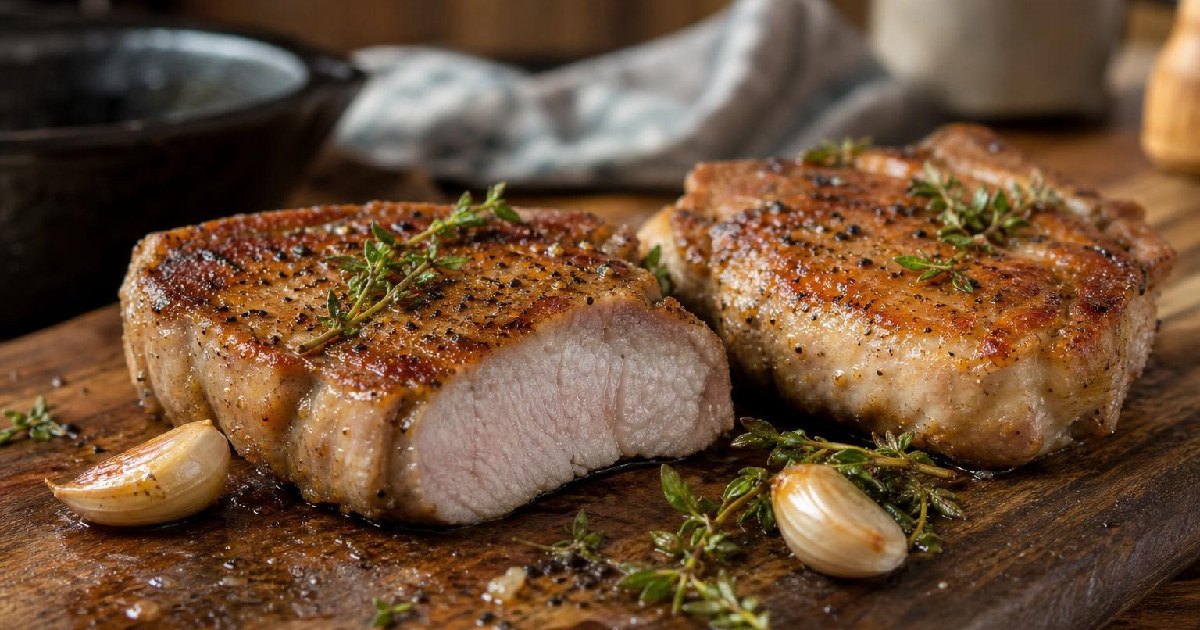
Pork Chops Do Not Need 160°F: USDA Says 145°F With a Three-Minute Rest
USDA guidance calls for whole pork steaks, chops, and roasts to reach at least 145°F followed by a three-minute rest, while ground pork should reach 160°F.
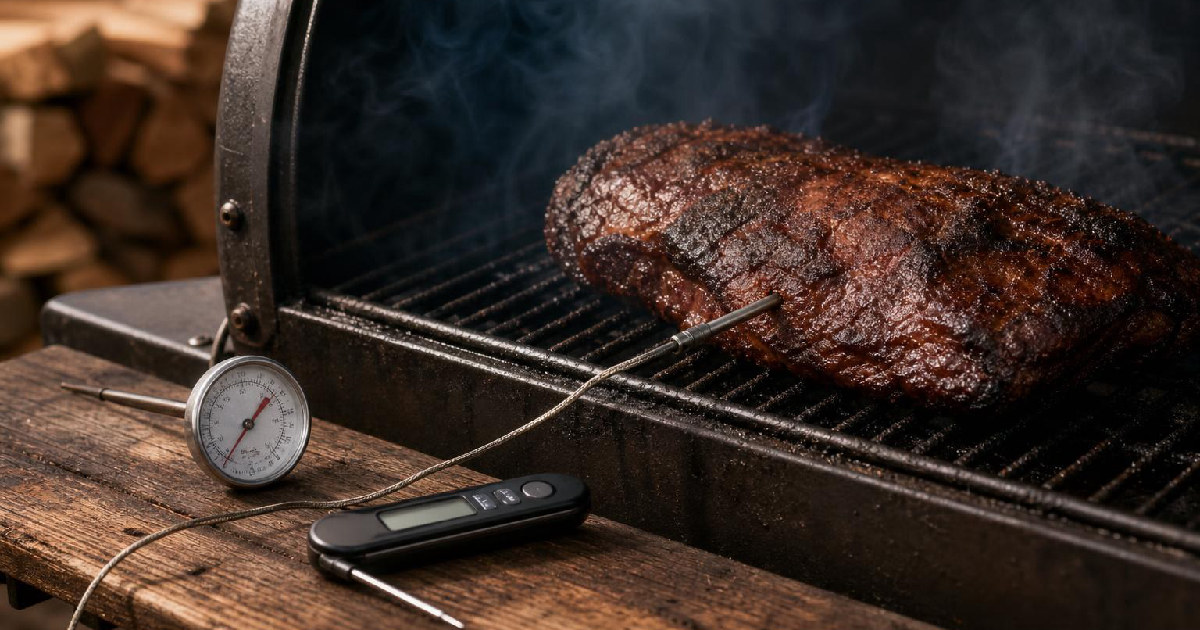
Smoking Meat Safely: The Two Thermometers Every Pit Should Have
USDA guidance calls for monitoring smoker temperature and checking the food itself. Here is how to build those two readings into a practical smoking routine.
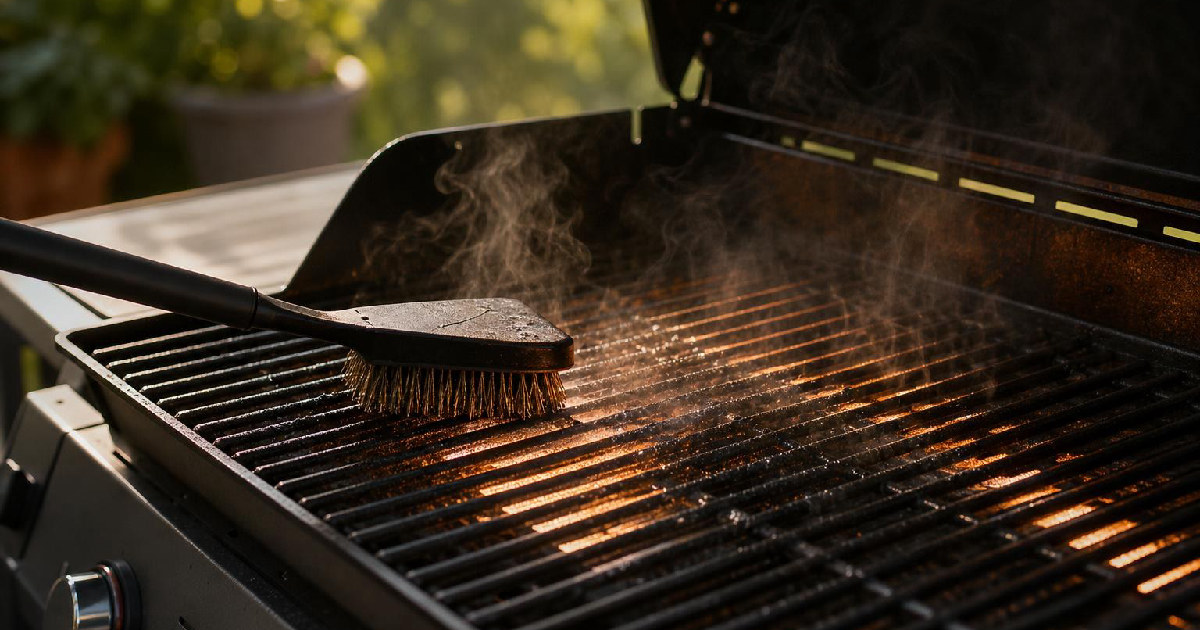
Clean Grill Grates Start With a Hot Grill, Not a Cold Scrub
Weber recommends preheating a grill before brushing the cooking grates, making hot-grate cleaning part of the setup for the next cook rather than a cold-grate chore.
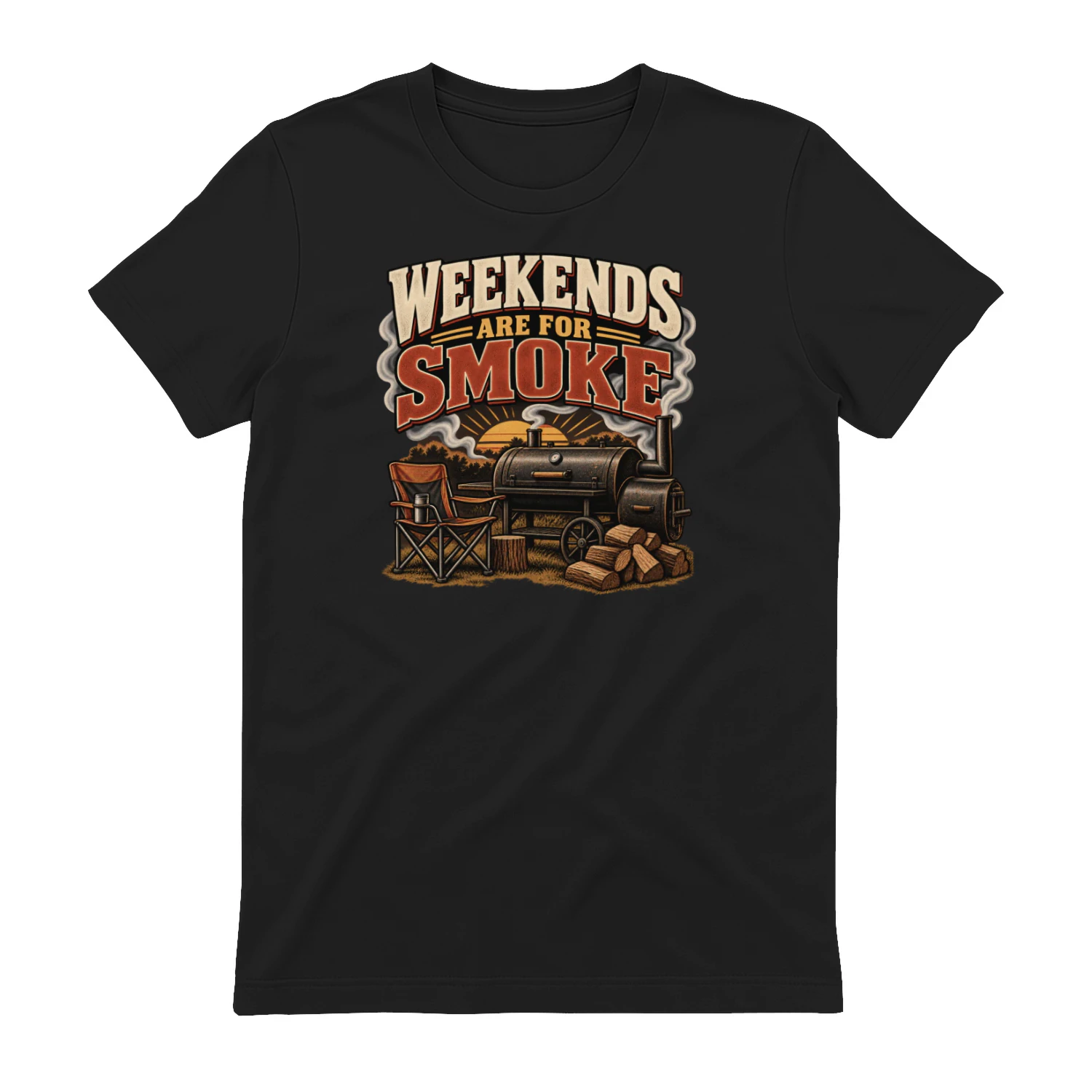
Weekends Are for Smoke
Official Pit Culture merchandise from Texas Thread Theory, built for people who live for fire, smoke and low-and-slow weekends.
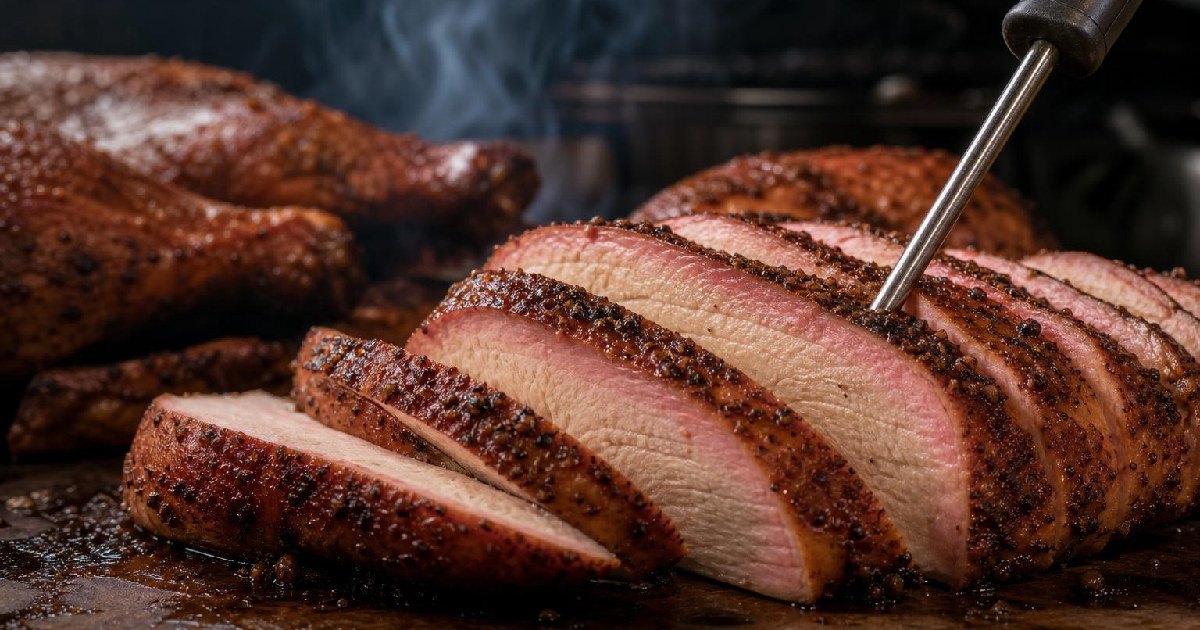
Why Smoked Chicken Can Still Look Pink When It Is Fully Cooked
USDA says smoked poultry can stay pink even after reaching a safe temperature. Here is why pitmasters should trust the thermometer instead of the color of the meat.
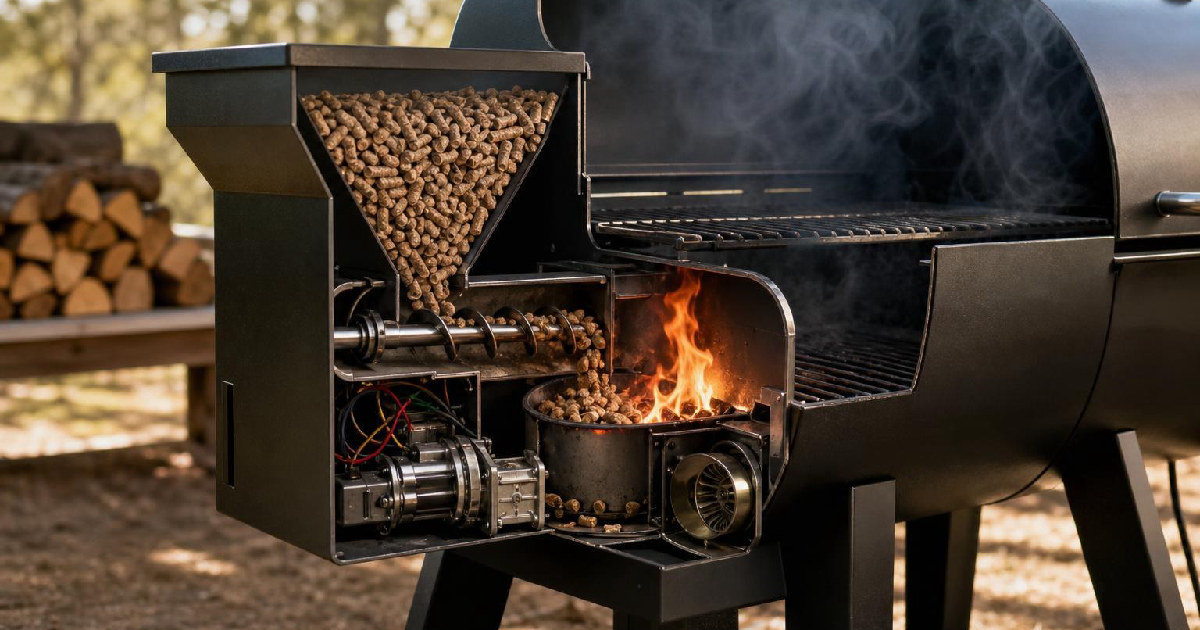
A Pellet Grill Still Burns Wood: Electricity Runs the Feed System, Not the Fire
A pellet grill uses electricity for its controller, auger, igniter, and fan while hardwood pellets travel from a hopper into a fire pot where they burn to create the cooking heat.
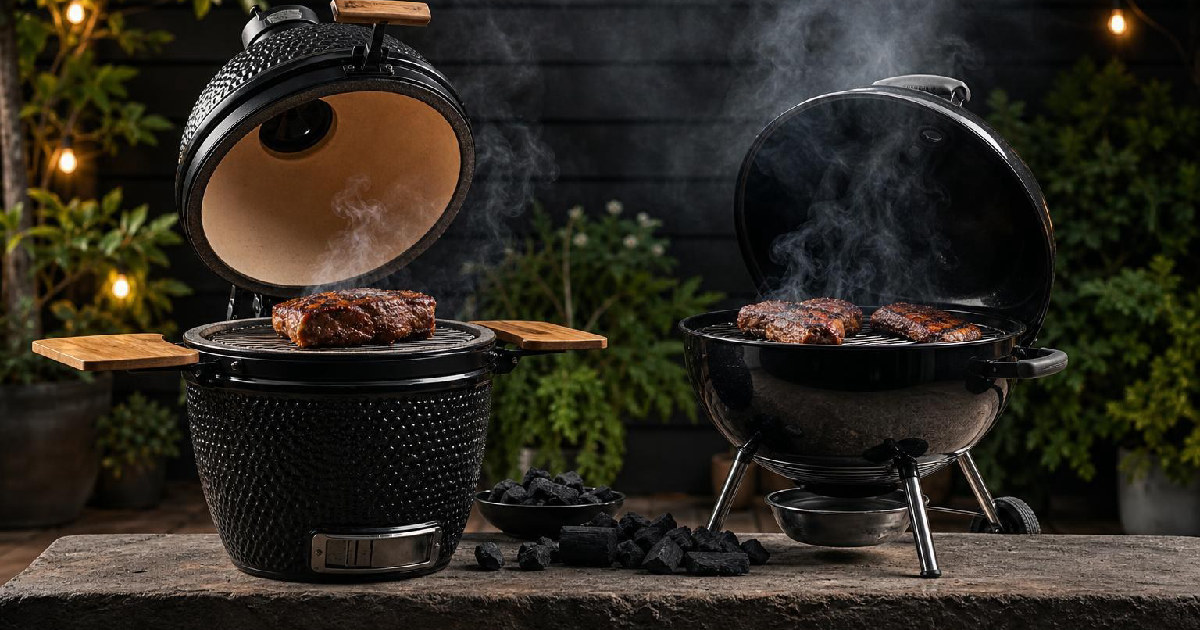
What Makes a Ceramic Kamado Different From a Regular Charcoal Grill
Ceramic kamado cookers use charcoal like other grills, but insulated ceramic construction and controlled airflow help them retain heat and move between low-and-slow and high-heat cooking.
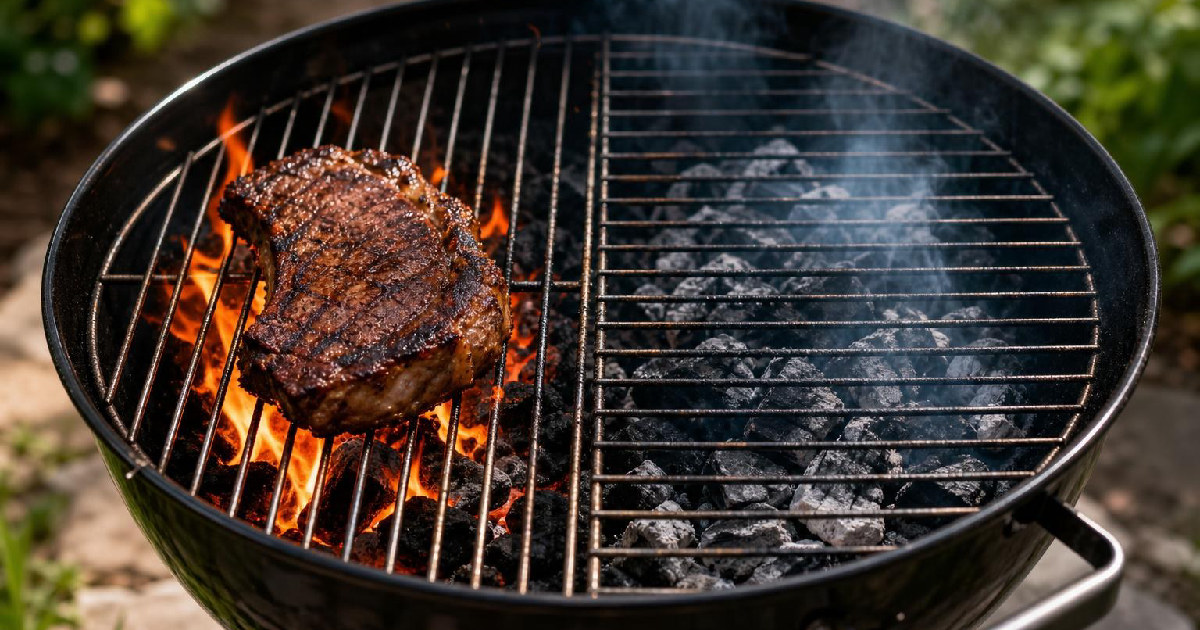
The Two-Zone Charcoal Fire Is the Setup Every Backyard Griller Should Know
A two-zone charcoal fire combines direct and indirect heat at the same time, giving cooks a hot side for searing and a cooler side for slower, more controlled cooking.
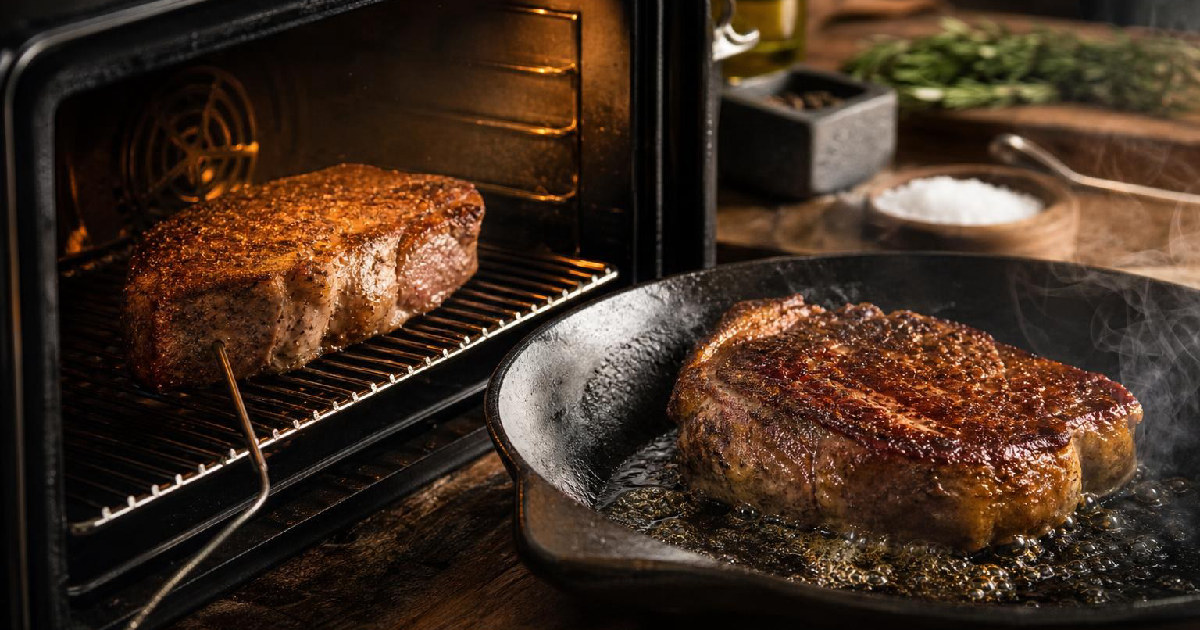
Reverse Sear Explained: Why Thick Steaks Benefit From Cooking Low Before the Final Sear
Reverse searing uses indirect heat to bring a thick steak close to its target temperature before a fast final sear builds the crust.
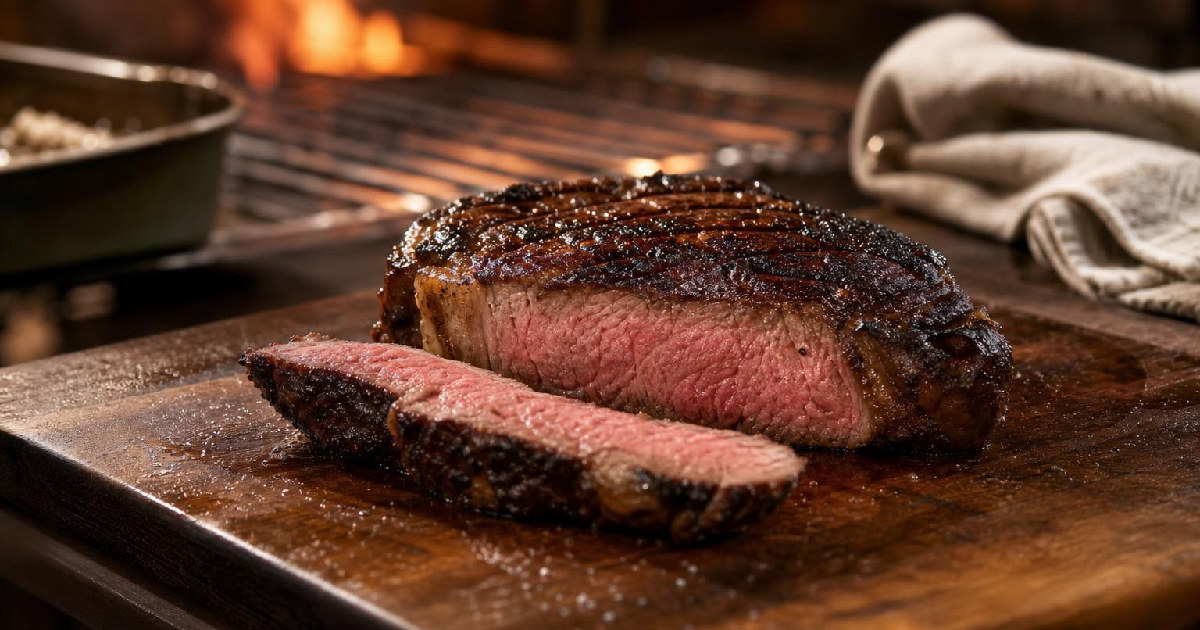
Meat Keeps Cooking After It Leaves the Grill: That Is Carryover Cooking
Carryover cooking is the rise in internal temperature that can continue after meat leaves the grill, which is one reason cooks need to plan the finish and the rest together.
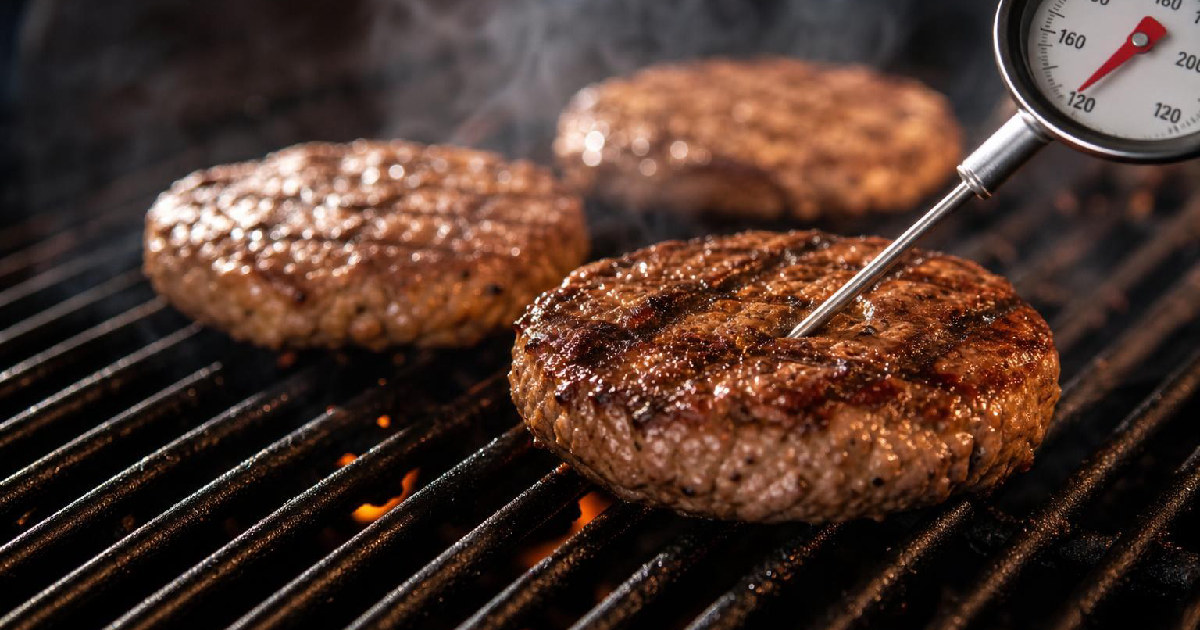
Stop Judging Burgers by Color: The Temperature That Actually Matters
USDA guidance puts ground beef at 160°F and warns that color is not a reliable indicator of doneness. Here is the simple backyard method that removes the guesswork.
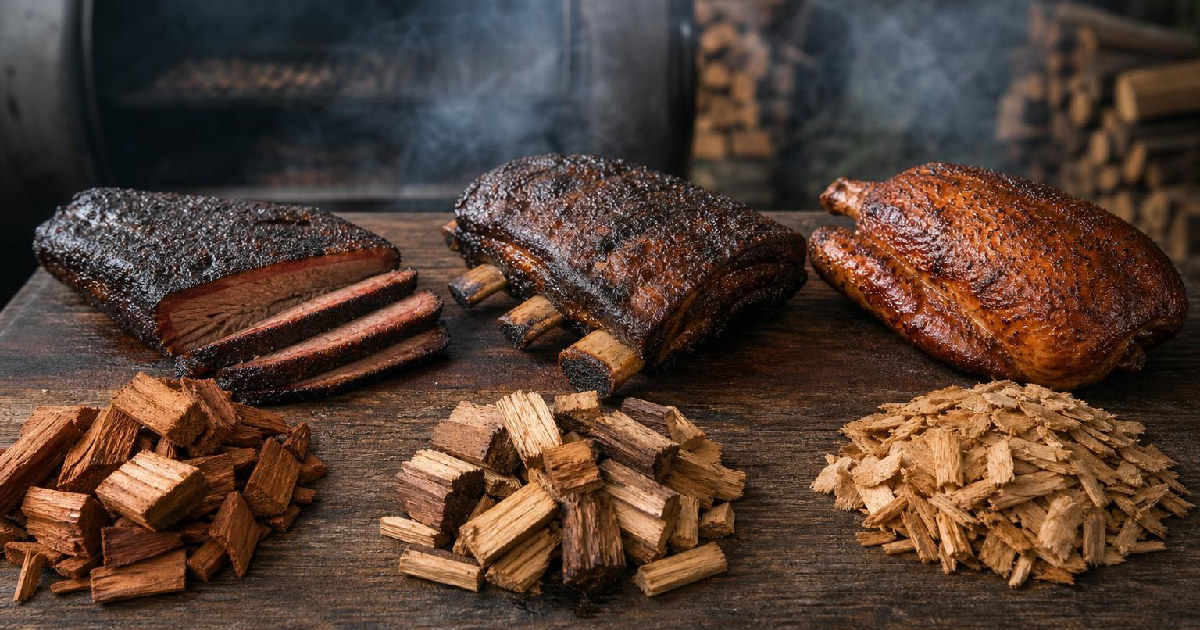
Smoking Wood Is a Seasoning: Match the Strength to the Meat
Smoking wood changes flavor just like a spice blend. Mesquite is bold, hickory is robust, and fruitwoods are milder, so the best choice depends on the meat and cooking time.
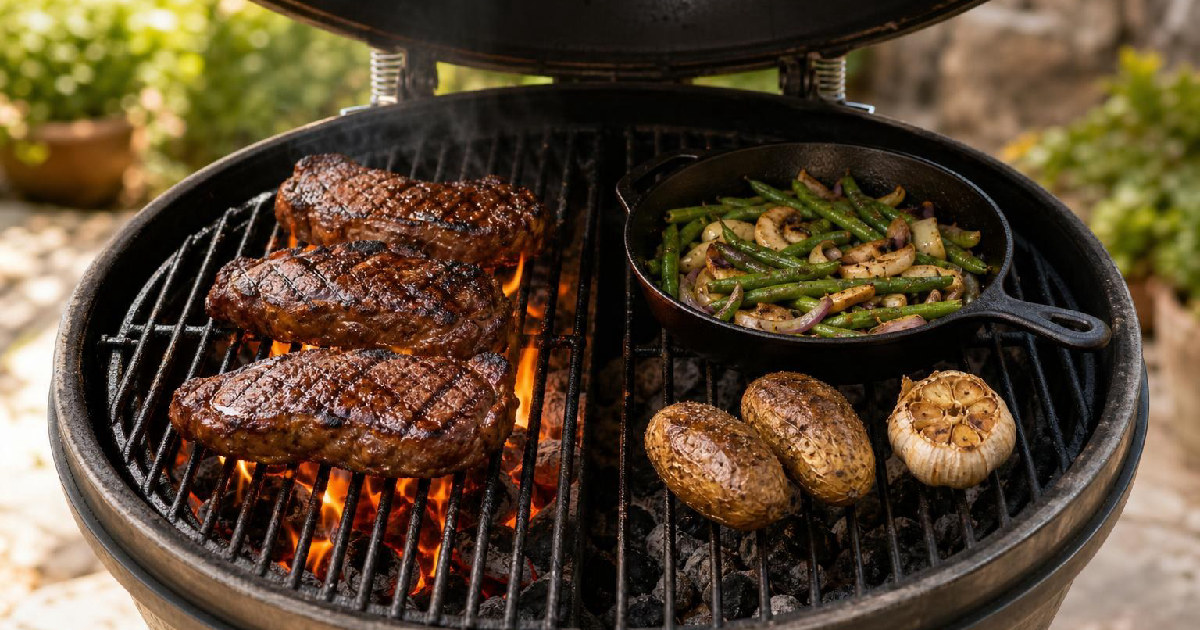
Direct and Indirect Heat Are Two Different Jobs on the Same Grill
Direct grilling puts food over the heat source, while indirect grilling places food beside the heat. A two-zone setup lets one grill do both jobs during the same cook.