Pull a steak from the grill and the cooking process does not instantly stop. Heat stored in the hotter exterior continues moving toward the cooler center. The internal temperature can rise during the first part of the rest, a phenomenon commonly called carryover cooking.
The grill is off, but heat is still moving
Cooking creates a temperature gradient. The outside of the meat is exposed to much more heat than the center, so the exterior is hotter when the food comes off the grill. Once the heat source is removed, energy continues traveling inward until temperatures begin to equalize.
ThermoWorks notes that even relatively small pieces of meat can rise several degrees during the rest, while larger roasts can experience a bigger increase. The exact amount is not universal. Size, shape, cooking temperature, and how aggressively the exterior was heated all matter.
Resting and carryover are related but not identical
Resting gives the meat time off direct heat before slicing. Carryover cooking is the thermal process happening during that time. A rest can also help the temperature settle and reduce the immediate loss of hot juices when the meat is cut.
For barbecue, the effect is especially important with large cuts. A thick roast or big piece of smoked meat contains far more stored heat than a thin steak. Wrapping, holding in an insulated container, or stacking food together can slow heat loss and extend the period in which the center stays hot.
Safe minimum temperatures still matter
Carryover should never become an excuse to guess about food safety. USDA safe-temperature guidance is written around measured internal temperatures and, for some foods, a specified rest. Whole pork steaks, chops, and roasts, for example, are covered by a 145°F minimum plus a three-minute rest.
That is different from saying every food can be pulled early because it will probably rise later. The amount of carryover varies too much for blind assumptions. Use a thermometer and follow the safe minimum for the specific food you are cooking.
Carryover can also cause overcooking
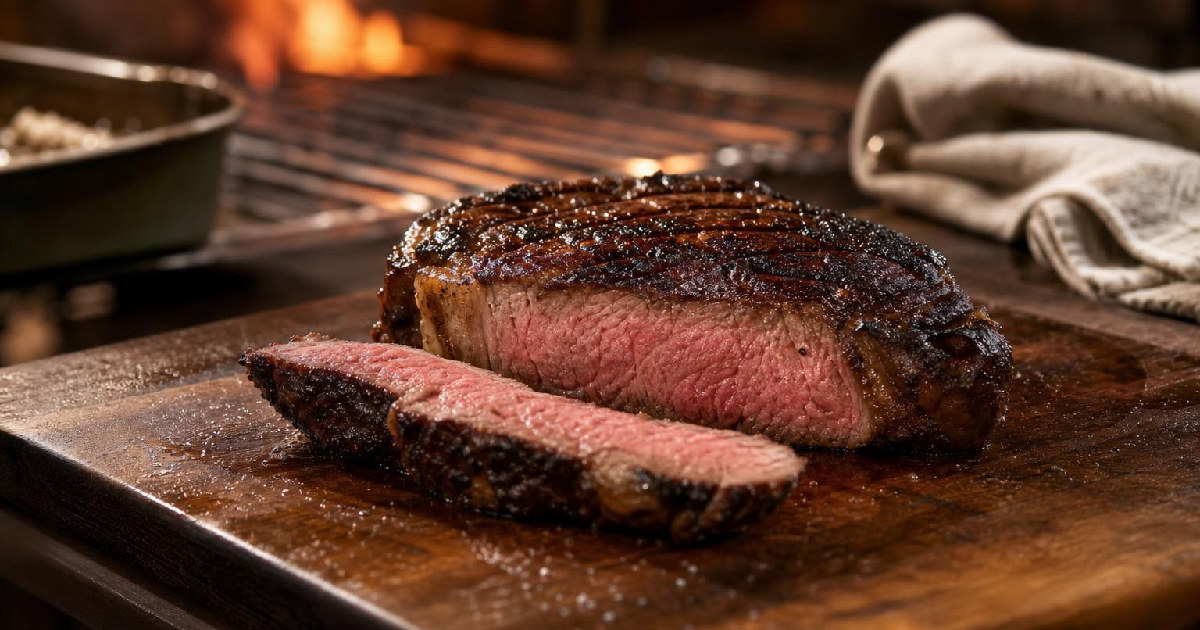
The same physics that can finish a roast can push a steak beyond the doneness you wanted. If a thick steak is already exactly at the final target when it comes off a very hot grill, it may continue climbing during the rest.
Experienced cooks learn to watch the trend, not only one number. A fast-rising center after a hard sear behaves differently from meat that has been slowly approaching the target in a low-temperature smoker.
The practical takeaway
Resting is part of the cook, not dead time between the grill and the plate. Heat keeps moving after the food leaves the fire. Measure the center, understand the safe minimum for the food, and remember that the finishing temperature can continue changing while the meat rests.
PIT CULTURE MERCH
Two Pit Culture designs from Texas Thread Theory for people who live for fire, smoke and low-and-slow weekends.
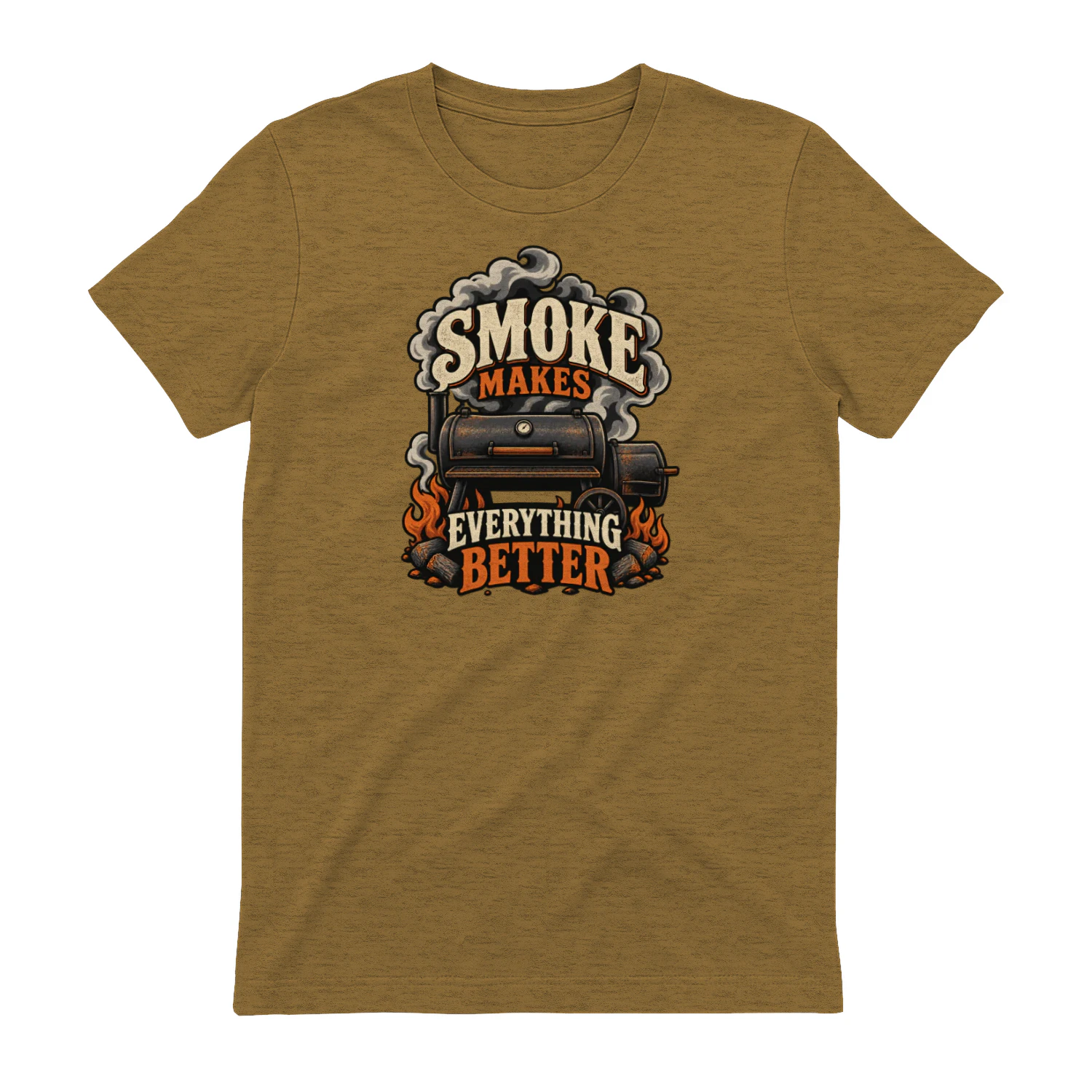
Smoke Makes Everything Better
Official Pit Culture merchandise from Texas Thread Theory, built for people who live for fire, smoke and low-and-slow weekends.

Smoke Therapy
Official Pit Culture merchandise from Texas Thread Theory, built for people who live for fire, smoke and low-and-slow weekends.