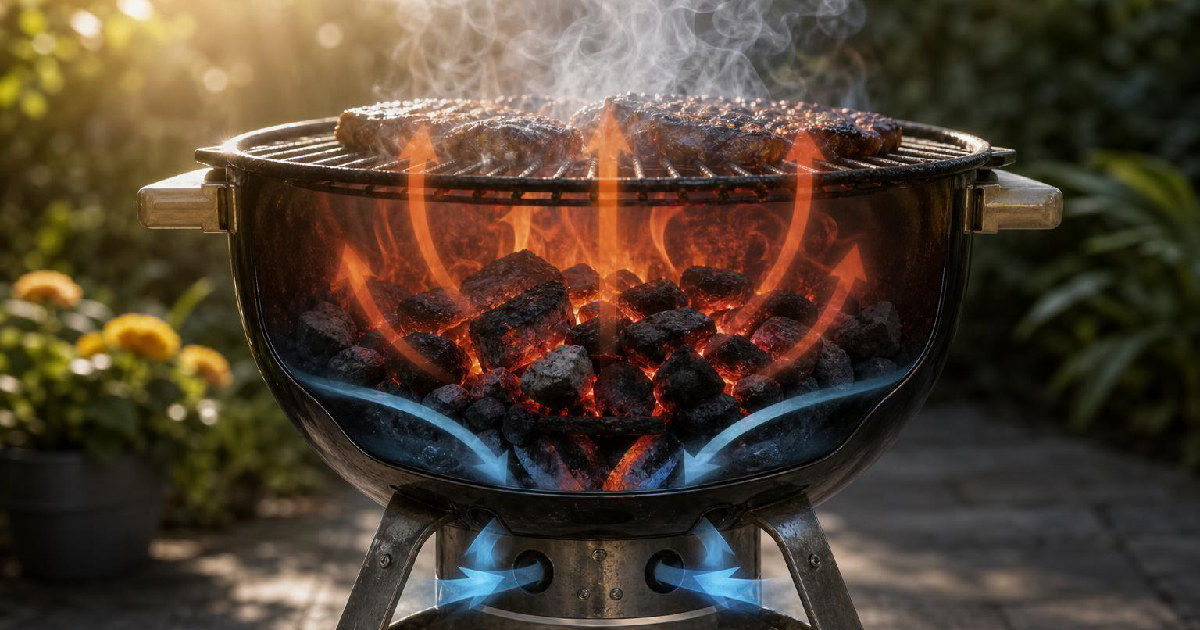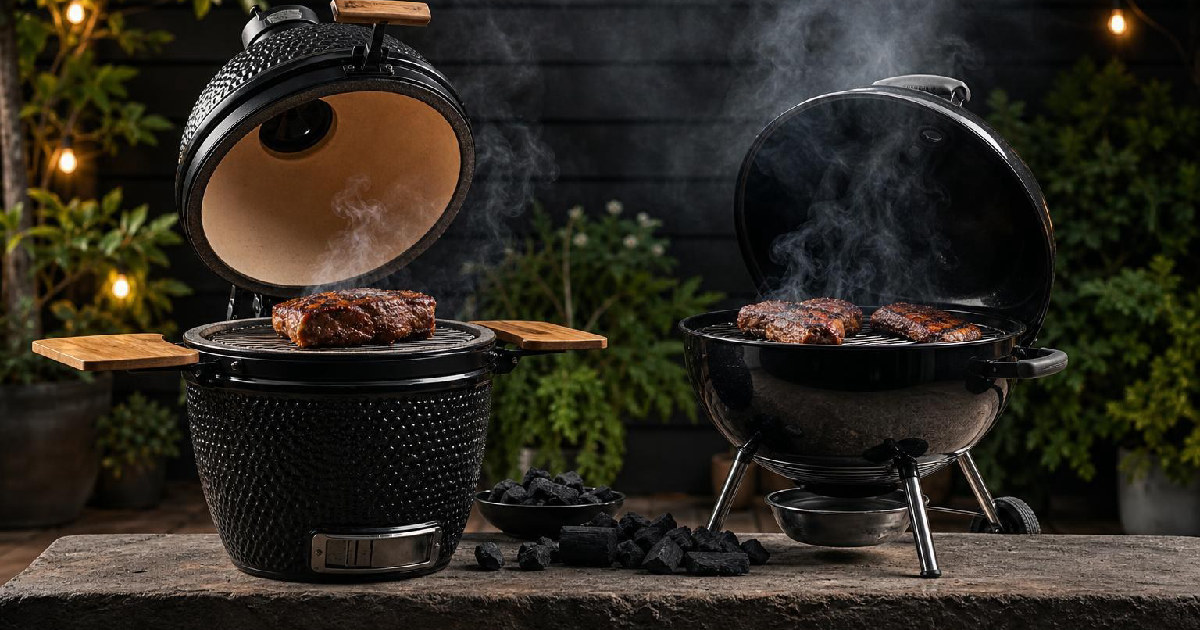
A ceramic kamado can look exotic next to a simple kettle grill, but the basic fire is familiar: charcoal burns below the food, and airflow controls the temperature. The big difference is what surrounds that fire.
The ceramic body stores heat
Big Green Egg describes its cookers as ceramic kamado grills built around heat retention and temperature control. Thick ceramic walls absorb and hold heat, so the cooker changes temperature more slowly than a thin metal grill.
That thermal mass can be useful during long cooks because small outdoor temperature swings have less immediate effect inside the cooker. It also means overshooting your target temperature can take longer to correct.
Airflow still runs the fire
A kamado is not magic insulation with food inside. The charcoal still depends on oxygen, and the top and bottom vents regulate how much air moves through the cooker.
Open the vents and the charcoal receives more oxygen, allowing the fire to run hotter. Restrict the vents and the burn slows. Because the cooker seals tightly, relatively small vent changes can have a noticeable effect once the ceramic is fully heated.
Indirect cooking turns it into an outdoor oven
Ceramic heat deflectors create a barrier between the fire and the food. Big Green Egg’s convEGGtor is designed for this purpose, allowing indirect cooking for smoking, roasting and baking.
That setup changes the cooker from a direct charcoal grill into something closer to a charcoal-fired convection oven. Heat circulates around the food while the ceramic body helps stabilize the cooking environment.
Kamados can run low and slow or very hot
One reason kamados are popular is their range. Big Green Egg lists its ceramic cookers as capable of smoking, roasting, baking and grilling, with product specifications that span low smoking temperatures through very high searing temperatures.
The same fuel can support both ends of that range. What changes is airflow, fire size and whether you are cooking directly over the charcoal or using a heat deflector.
The efficiency changes how you manage fuel
Because the cooker holds heat well and restricts airflow efficiently, a kamado can run for long periods without burning through charcoal as aggressively as an open or poorly sealed grill.
That does not mean you should fill it with charcoal and ignore it. Good fire management still matters. Start with a clean firebox, avoid blocking airflow with ash and make temperature changes gradually.
The tradeoff is responsiveness
A thin metal grill can cool quickly when you reduce the fire or open the lid. A ceramic cooker holds stored heat, which is useful for stability but less forgiving if you let the cooker get much hotter than intended.
For new kamado cooks, the practical lesson is to approach target temperature slowly. It is easier to let a 225°F fire climb to 250°F than to force a fully heat-soaked ceramic cooker back down after it races past 400°F.
Different tool, same barbecue fundamentals
A kamado does not replace fire management. It rewards it. Charcoal quality, airflow, clean combustion, temperature measurement and patience still determine the cook.
What the ceramic design adds is thermal stability and versatility. That is why one cooker can move from brisket to pizza to steak without changing the basic fuel source.
PIT CULTURE MERCH
Two Pit Culture designs from Texas Thread Theory for people who live for fire, smoke and low-and-slow weekends.
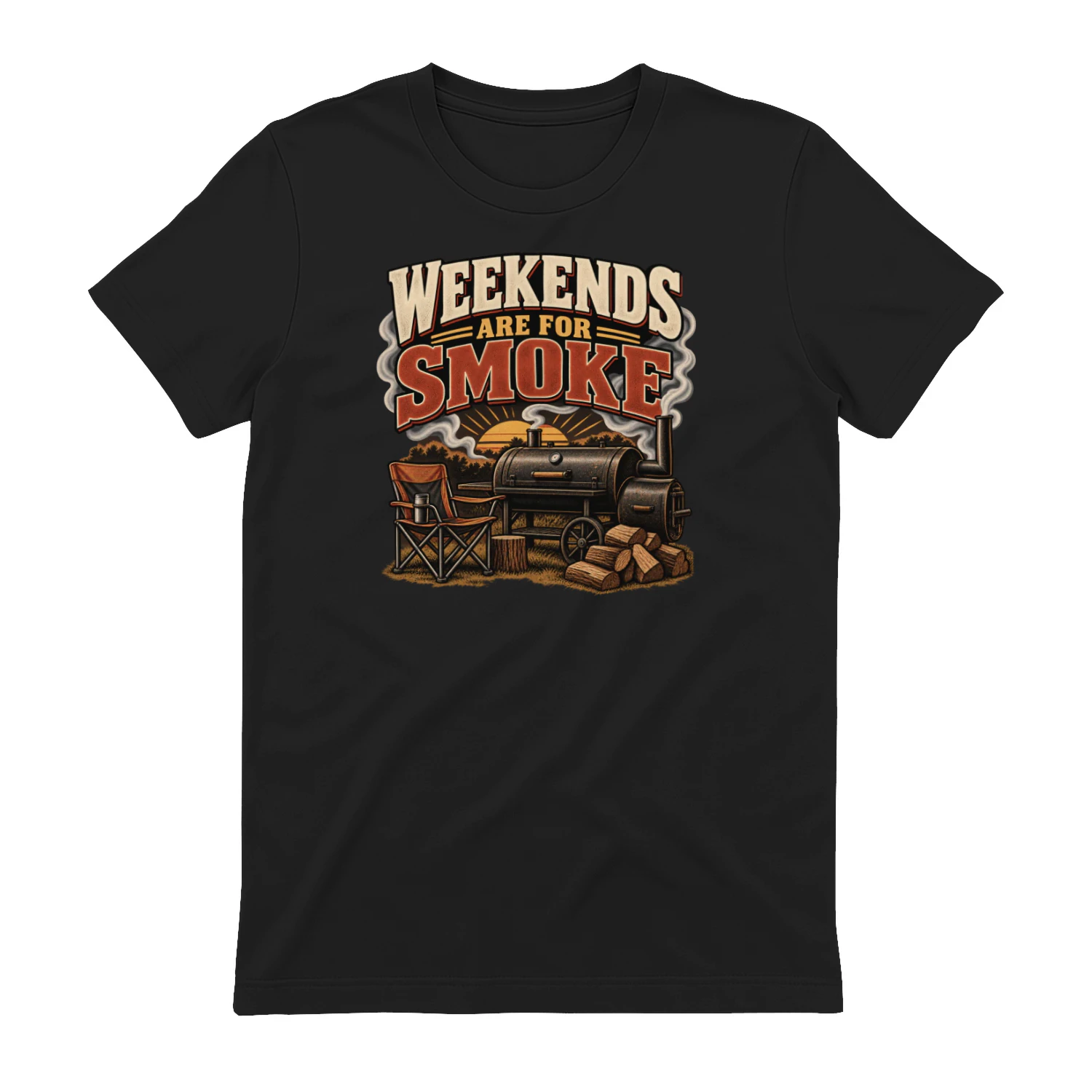
Weekends Are for Smoke
Official Pit Culture merchandise from Texas Thread Theory, built for people who live for fire, smoke and low-and-slow weekends.
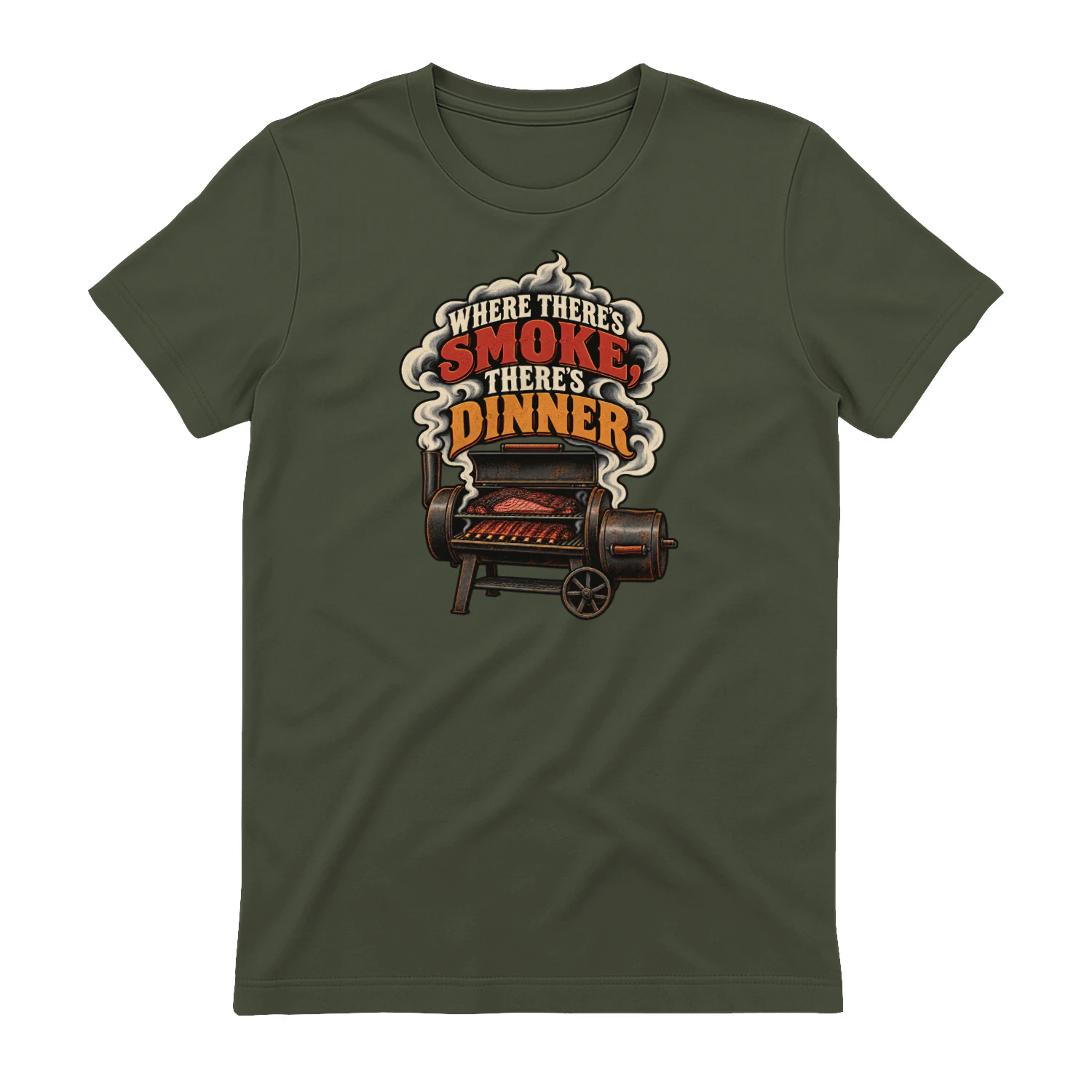
Where There's Smoke, There's Dinner
Official Pit Culture merchandise from Texas Thread Theory, built for people who live for fire, smoke and low-and-slow weekends.