Most people learn to grill steak by putting it over the hottest part of the grill first. The reverse sear deliberately flips that order. A thick steak cooks gently over indirect heat, then finishes over intense direct heat for color and crust.
The method in one sentence
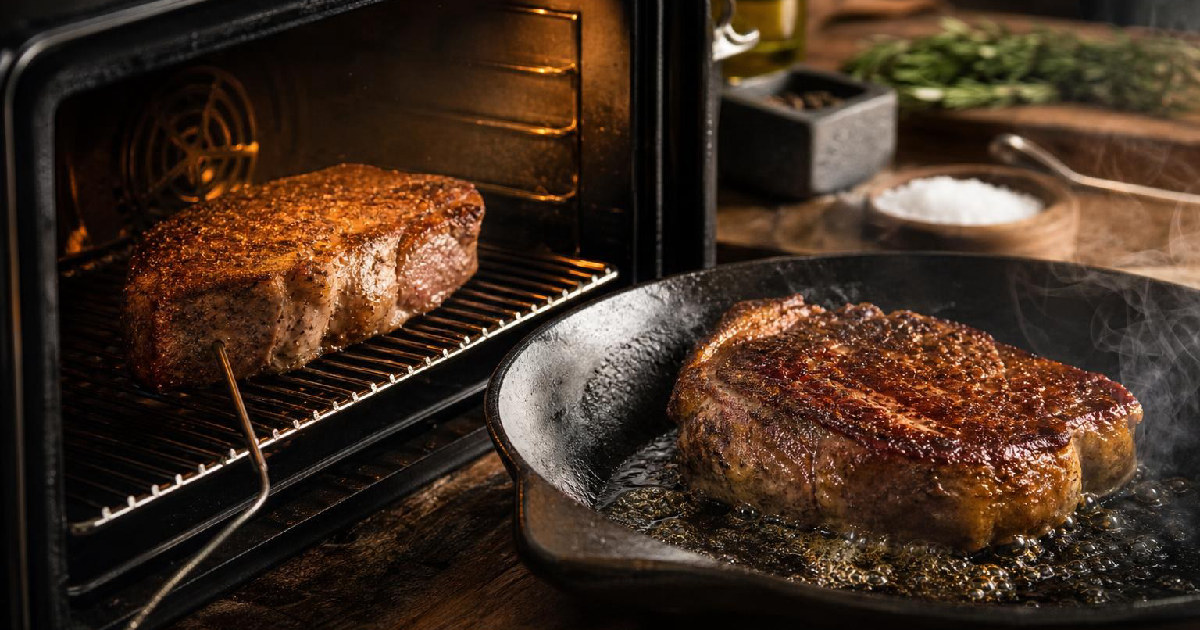
Cook the steak slowly until it is close to the final temperature you want, remove it briefly, raise the grill heat, then sear both sides to finish.
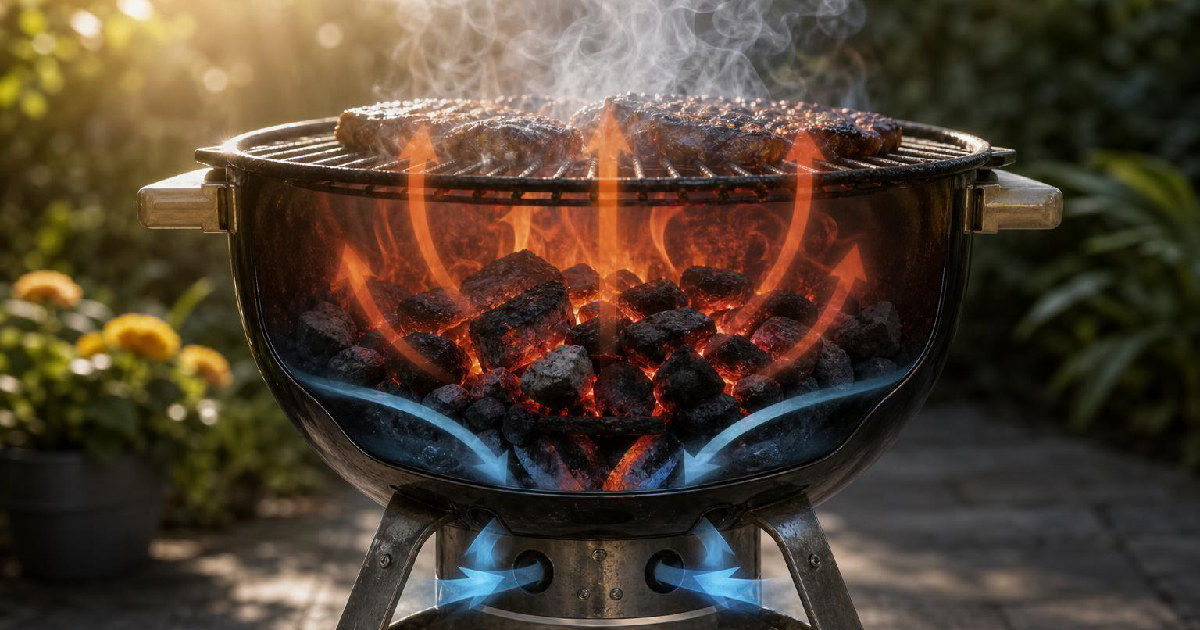
Weber's reverse-sear guidance describes the technique as cooking first over indirect heat at roughly 225°F to 275°F until the food is nearly at the preferred doneness, then finishing it over high direct heat.
Why thick steaks are the best candidates
A thin steak can move from underdone to overcooked quickly. Thick cuts give the reverse-sear method enough time to matter. The gentler first stage allows the center to warm more gradually before the outside gets its final blast of heat.
Weber specifically points to larger, thicker cuts such as filet mignon, tomahawk ribeye and thick-cut pork chops as good candidates for the technique.
A thermometer is part of the method
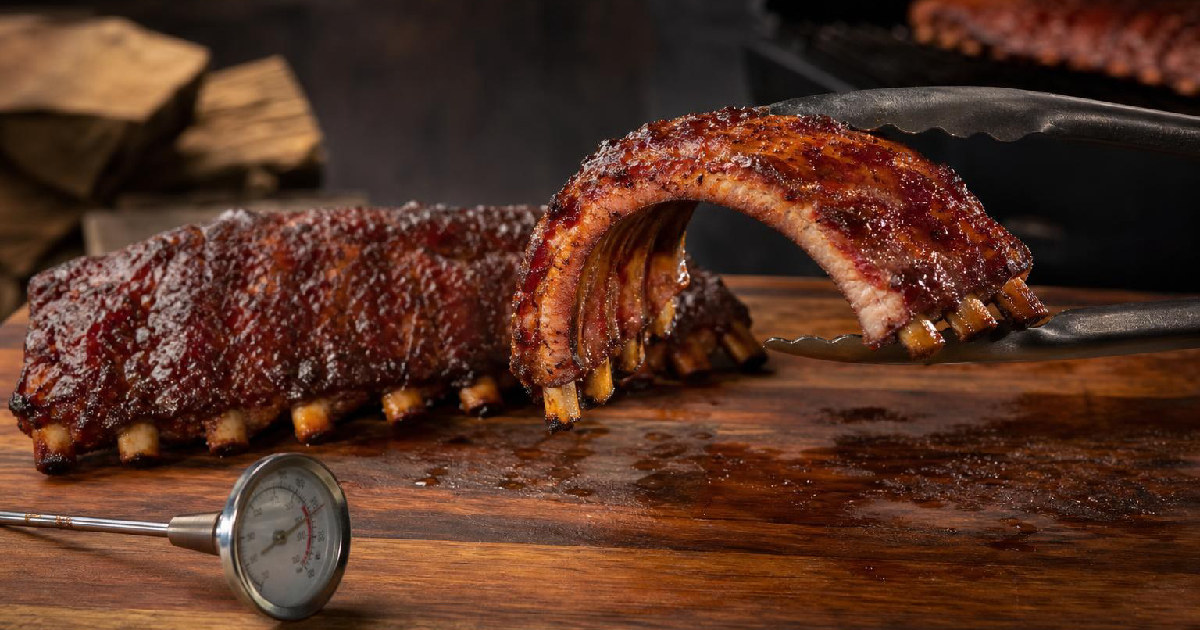
Reverse searing is easier when you measure the center of the meat rather than relying on a timer. Weber's rib-eye recipe lists an instant-read thermometer as special equipment, and that makes sense: the first phase ends based on internal temperature, not on how many minutes have passed.
Do not chase the final crust too early
The indirect phase is not supposed to create the finished sear. Its job is to bring the interior close to the target without over-browning the exterior. Once the steak is nearly there, the high-heat finish can be short and aggressive.
The Pit Culture takeaway
Reverse searing is less about a trendy steak trick and more about heat management. It separates the job of cooking the interior from the job of building the crust. On thick cuts, that separation can make the cook easier to control.
PIT CULTURE MERCH
Two Pit Culture designs from Texas Thread Theory for people who live for fire, smoke and low-and-slow weekends.
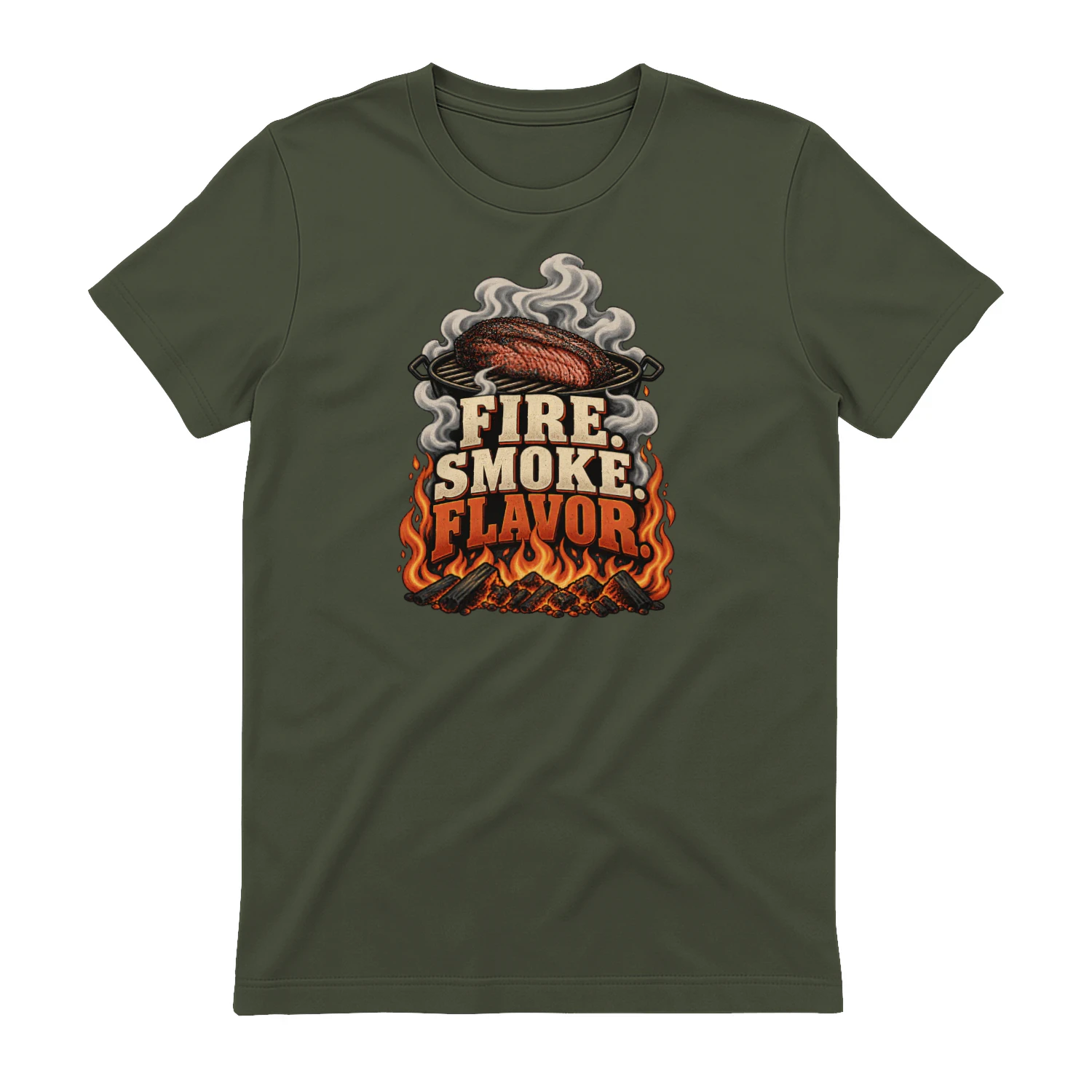
Fire. Smoke. Flavor.
Official Pit Culture merchandise from Texas Thread Theory, built for people who live for fire, smoke and low-and-slow weekends.
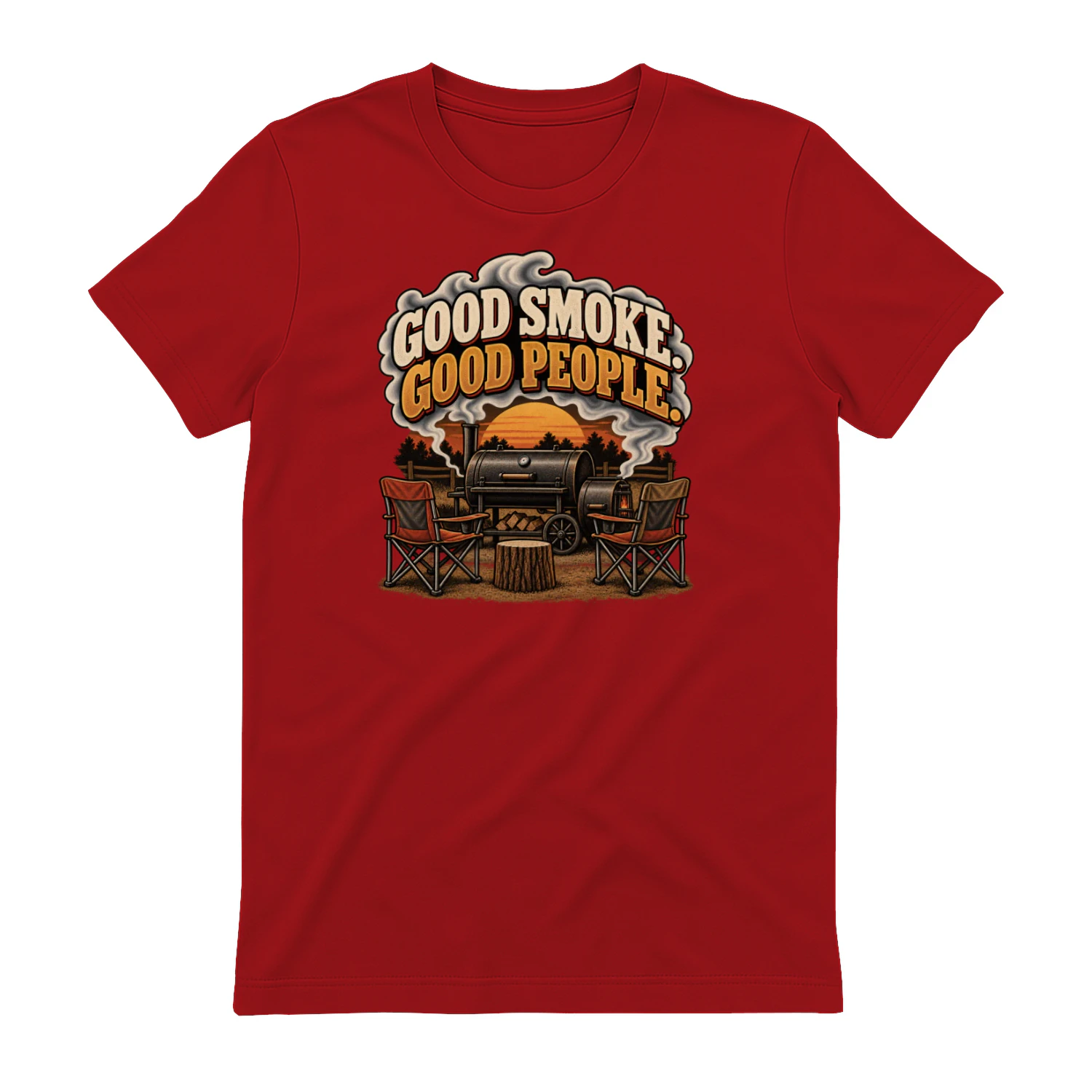
Good Smoke. Good People
Official Pit Culture merchandise from Texas Thread Theory, built for people who live for fire, smoke and low-and-slow weekends.