Many grilling problems are really placement problems. The fire may be hot enough, the food may be good, and the timing may look reasonable, but the meat is sitting in the wrong relationship to the heat. Learning the difference between direct and indirect cooking fixes a surprising number of those problems.
Direct heat is for fast work
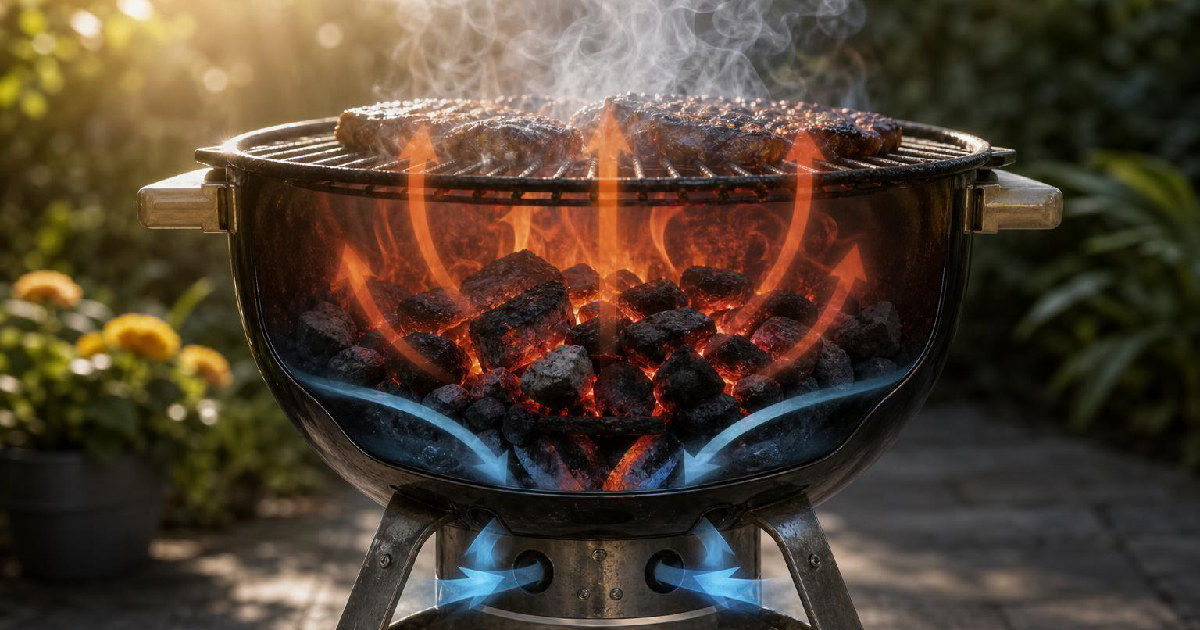
Direct grilling places the food over the active heat source. On a charcoal grill that means over lit coals. On a gas grill it means over an operating burner. This setup delivers strong radiant and conductive heat to the surface, which is useful for browning and for foods that cook quickly.
Weber lists burgers, steaks, chops, fish, vegetables, and other relatively quick-cooking foods as good direct-heat candidates. The exact heat level still matters; direct does not automatically mean maximum temperature.
Indirect heat creates a roasting zone
Indirect cooking moves the food away from the active heat. On a charcoal grill, coals can be placed to one side or split into piles with an unlit zone between them. The food sits over the area without coals underneath. Close the lid and the grill behaves more like an outdoor oven.
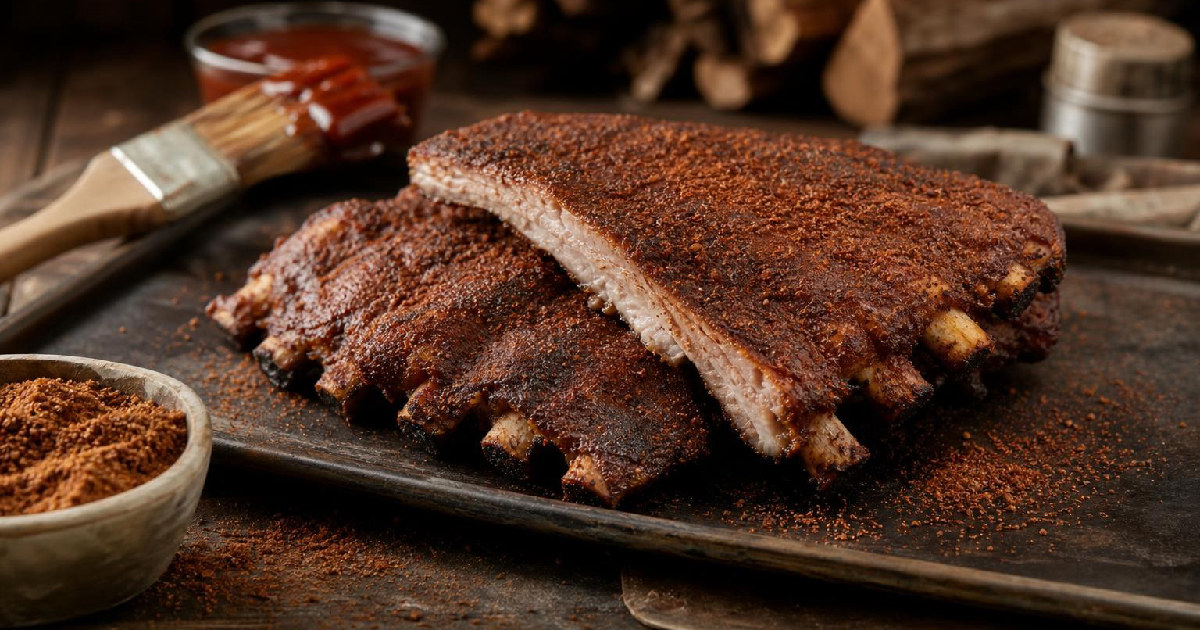
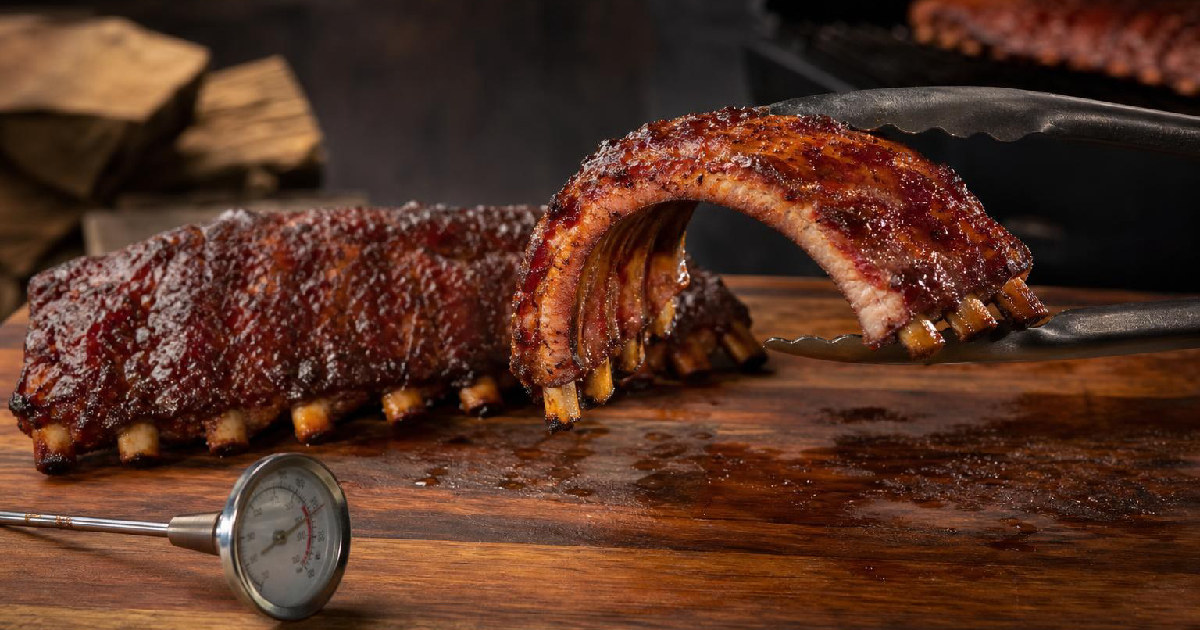
Weber recommends indirect setups for longer-cooking foods such as roasts, whole poultry, ribs, and other items that would be likely to scorch outside before the center finished over constant direct heat.
Two zones let you change jobs without changing grills
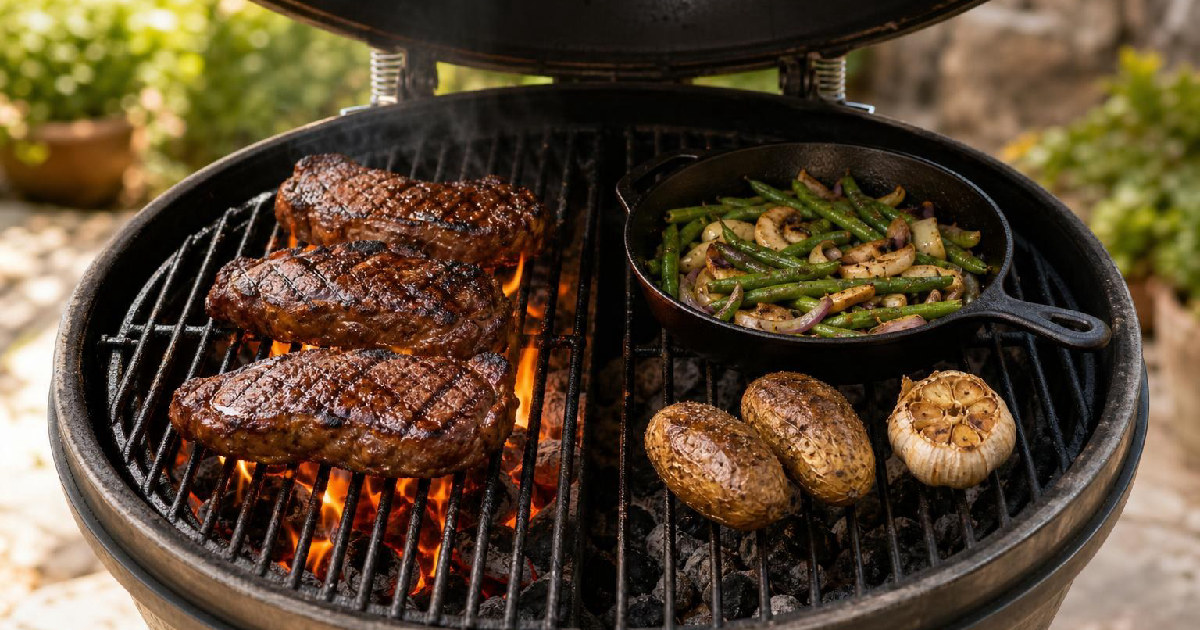
A two-zone fire gives you both options at once. One side can be used for searing while the cooler side gives you a place to finish gently, hold food temporarily, or escape a flare-up.
That flexibility is especially useful with thick steaks, bone-in chicken, sausages, and mixed meals where different foods need different heat. You can brown over the hot zone, then move the food away from the fire while the center catches up.
The lid becomes part of the system
Indirect cooking depends on the closed grill holding and circulating heat. Constantly lifting the lid dumps that heat and changes the cooking environment. Open it when you need to move food or check doneness, but do not treat indirect cooking like open-fire camp grilling.
Charcoal placement, vent settings, and lid position all work together. Direct and indirect are not recipes; they are heat-management patterns you can use across many recipes.
The practical takeaway
Before asking how long something should cook, ask where it should cook. Thin, fast foods often belong over direct heat. Large, thick, or slower foods often benefit from indirect heat. Build both zones when possible and you give yourself control instead of forcing every ingredient to tolerate the same fire.
PIT CULTURE MERCH
Two Pit Culture designs from Texas Thread Theory for people who live for fire, smoke and low-and-slow weekends.
Pit Culture Core Smoker
Official Pit Culture merchandise from Texas Thread Theory, built for people who live for fire, smoke and low-and-slow weekends.
Pit Culture Fire & Smoke
Official Pit Culture merchandise from Texas Thread Theory, built for people who live for fire, smoke and low-and-slow weekends.