A nickname became a state designation
Kansas City has called itself a barbecue capital for decades. In 2026, Missouri made the title official.
The Missouri Secretary of State now lists Kansas City as the state barbecue capital after Gov. Mike Kehoe signed legislation designating the city in 2026. It is a ceremonial title, but it puts state recognition behind a food culture that has shaped Kansas City’s identity for more than a century.
The story starts before the modern barbecue map
Kansas City barbecue history is commonly traced to Henry Perry, who sold smoked meat in the early 1900s. Visit KC describes Perry as a foundational figure whose cooking helped establish the city’s barbecue tradition before later families and pitmasters built their own styles.
The city’s stockyards and meatpacking economy also mattered. The Missouri Secretary of State connects Kansas City’s barbecue growth to its role as a major livestock market, where meat, labor, migration and urban food culture all intersected.
From that base came names that became institutions, including Arthur Bryant and George Gates, along with generations of restaurants that expanded the local definition of barbecue.
Kansas City style is broad by design
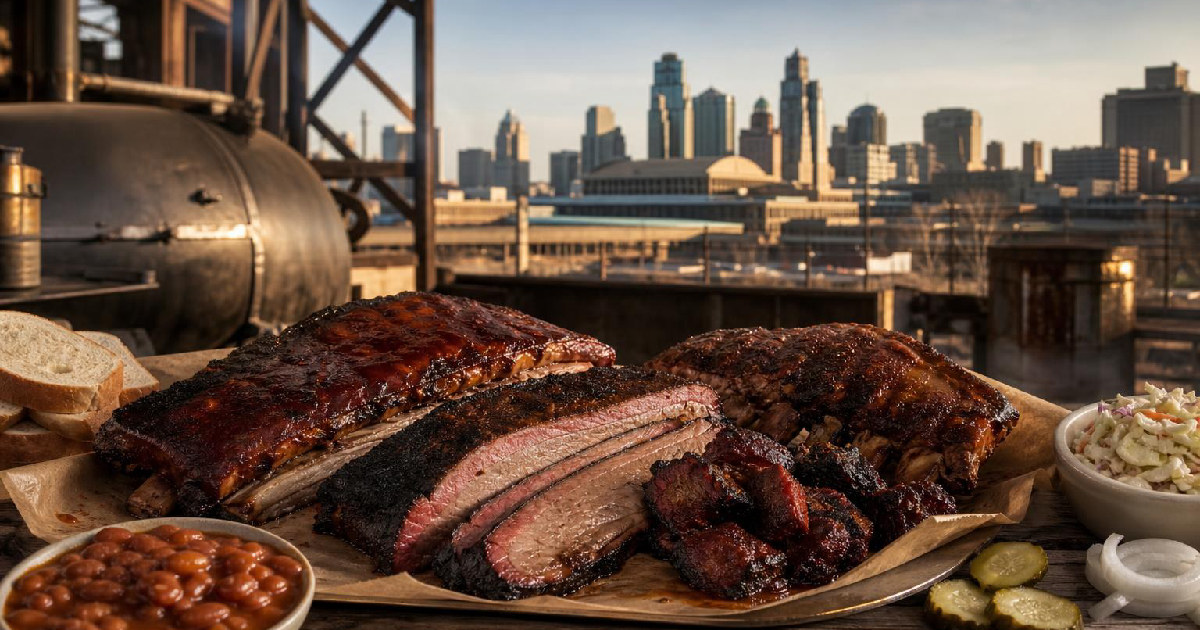
Unlike barbecue traditions centered almost entirely on one meat, Kansas City became known for cooking across the animal. Brisket, ribs, pulled pork, sausage and other cuts all fit comfortably on the same menu.
The Missouri Secretary of State describes Kansas City barbecue as slow-smoked over wood and commonly paired with thick, sweet-and-tangy sauces built around tomato, molasses or brown sugar. Burnt ends are singled out as one of the city’s signature foods.
That variety is part of why the city’s barbecue culture became so durable. A Kansas City barbecue run can mean old-school sliced meat, ribs, sausage, burnt ends or a modern pitroom using the same smoke tradition in a completely different way.
More than 100 restaurants keep the culture active
Visit KC says the metro has more than 100 barbecue restaurants and maintains a KC BBQ Experience program designed around exploring them. That scale matters because Kansas City barbecue is not only a historical story. It is still a functioning local industry spread across both sides of the state line.
The official designation does not create that culture. It recognizes what already exists: a city where barbecue operates as food, tourism, neighborhood identity and civic shorthand at the same time.
Why the 2026 designation matters
State symbols are mostly about identity. Missouri’s decision puts barbecue in the same category as other official markers meant to represent places and traditions that residents consider distinctive.
For Kansas City, the designation also formalizes a claim that can sometimes sound like marketing language. The phrase state barbecue capital is now not just a tourism slogan. It is part of Missouri’s official state-symbol record.
Barbecue fans will still argue about the best city, the best pit and the best plate. That part is not going away. But as of 2026, Kansas City can point to something no argument can change: Missouri put the title in writing.
PIT CULTURE MERCH
Two Pit Culture designs from Texas Thread Theory for people who live for fire, smoke and low-and-slow weekends.
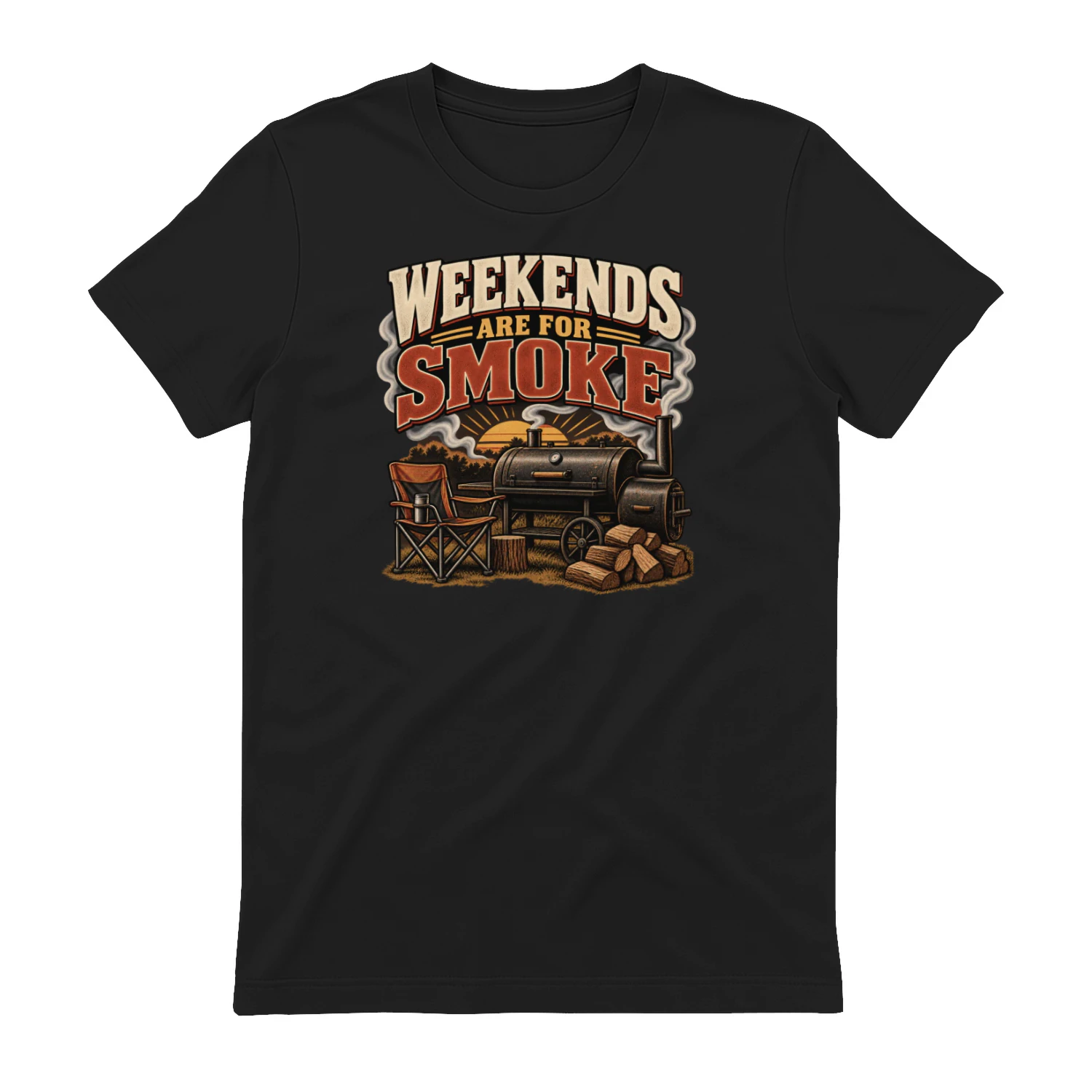
Weekends Are for Smoke
Official Pit Culture merchandise from Texas Thread Theory, built for people who live for fire, smoke and low-and-slow weekends.
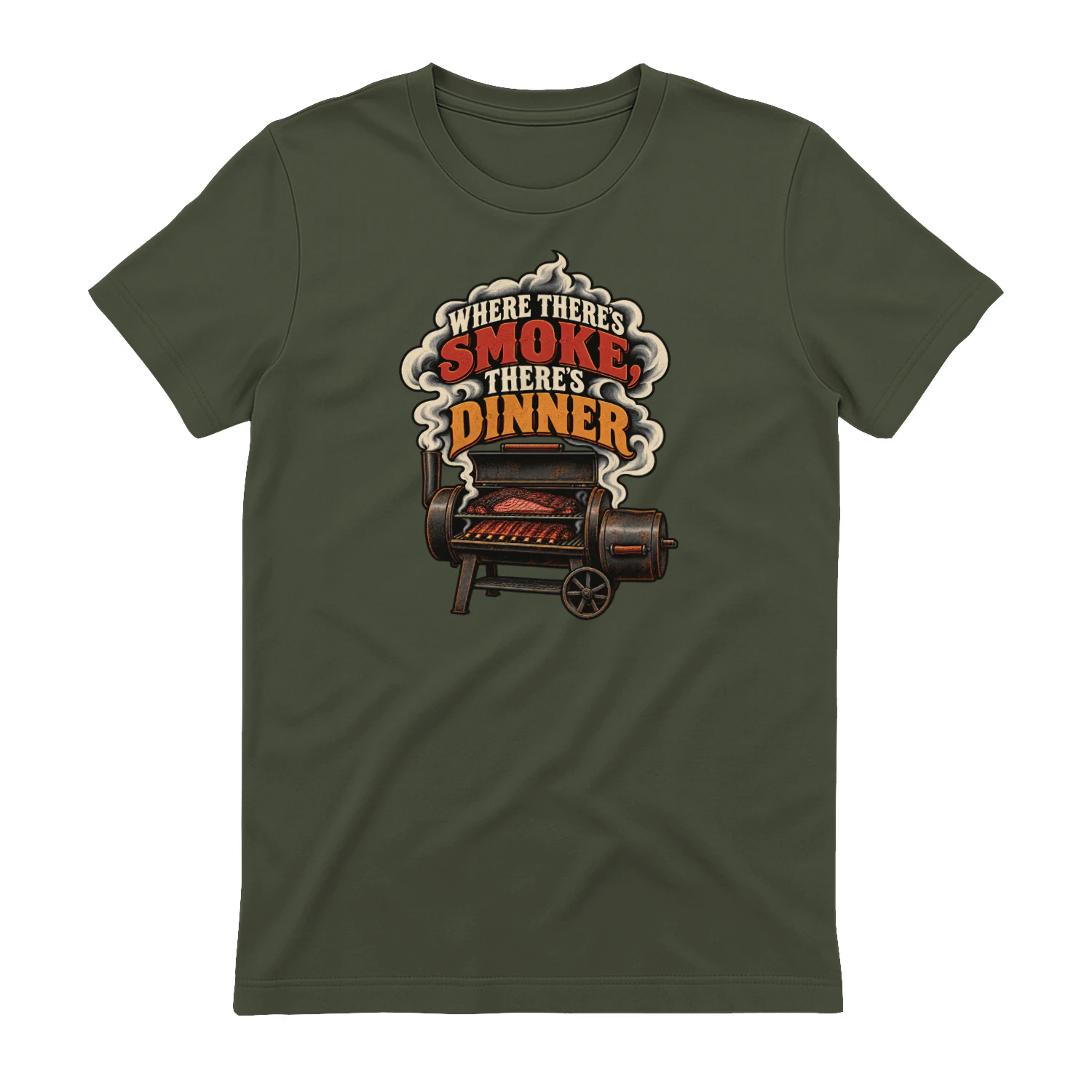
Where There's Smoke, There's Dinner
Official Pit Culture merchandise from Texas Thread Theory, built for people who live for fire, smoke and low-and-slow weekends.