The promise behind the hybrid cook
Smoking Dad BBQ sets up this pork shoulder as a test of a familiar barbecue tradeoff. On one side is the flavor people associate with a true offset: real wood splits, live fire, and the kind of smoke profile many pitmasters still treat as the benchmark. On the other side is the problem that keeps a lot of backyard cooks from choosing that path in the first place: the constant attention a wood fire demands.
The direct answer from the video is that the hybrid approach is meant to split that difference. The cook begins with wood splits for the early part of the smoke, then switches to pellets later so the grill can keep working while the cook gets some sleep. That is the whole bet. If the smoker can carry the shoulder through the night and hold it when the meat is ready, the payoff is big: more wood-driven flavor up front and less fire babysitting when the clock gets inconvenient.
Why the first hours still run on wood
The video is clear about the part of the cook that matters most for smoke flavor. The shoulder is started with a real fire, using the same wood splits the creator would burn in a traditional offset. He treats the early stretch of the cook as the best opportunity for smoke to make a difference. Later in the process, once the bark has set and the meat has taken on what it is going to take on, the need shifts from flavor building to temperature control.
That is where the logic of the cook becomes practical rather than theoretical. The pork shoulder is not treated like a trophy piece to hover over all day. It is treated like dinner that needs to be ready at lunch the next day. That means the first stage is about smoke, but the rest of the schedule is about reliability. The hybrid smoker is being asked to handle both jobs.
The prep matches that approach. The shoulder is dry brined overnight with salt, the fat cap is scored, and the seasoning is kept focused on flavor rather than burying the meat under a salty rub. A binder of mustard helps the rub stick, and the seasoning itself is built from the creator’s own blends, layered for savory spice and a little sweetness. None of that is presented as a stunt. It is simply a way to set up a large roast so the smoker can do its job.
What changes when the smoker switches to pellets
Once the pork is loaded, the grill is run in live-fire mode with the vents set for that wood-burning setup. A charcoal base and wood splits provide the active fire, and the shoulder sits in the cooker with a wireless probe in place so the cook can track progress without opening the lid. The idea is not to chase every detail by hand through the night. It is to let the grill carry the burden once the fire has done its early work.
Then the key change happens: the smoker is supposed to move into pellet mode and eventually into a holding logic when the pork reaches its target. That is the feature the video is really testing. The point is not simply that pellets are easier. It is that the system should be able to move from cooking to holding without the pitmaster standing guard.
That matters because the creator is not hiding the risk. He says it plainly: if the handoff fails, the next morning could mean wasted time and no dinner. But he also frames the upside in equally practical terms. If the grill can carry the pork through the night and stay at a safe holding temperature, then the cook becomes easier to plan around. That is a big deal for anybody who has tried to balance barbecue with guests, family, or a work-back schedule.
An overnight test of trust, weather, and temperature control
The overnight portion of the video is where the idea either works or falls apart. The setup faces rain, and the creator has to trust the smoker to do what it is supposed to do without him watching it. By morning, the video shows smoke still moving from the cooker and the grill sitting at the holding temperature that had been programmed the day before. That is the most important off-camera result in the whole piece: the smoker appears to have stayed on task.
That matters because the hybrid concept is not just about saving effort. It is about replacing uncertainty with a programmed cook path. The creator explains that he prefers to judge doneness by feel when he can, but overnight that is not possible. So the grill has to step the pork down gradually and then settle into hold mode on its own. In other words, the smoker is being asked to make judgment calls that a pitmaster would normally make manually.
The concern is not abstract. With pork shoulder, timing matters because the meat needs to finish at the right point and then wait for service without turning dry or falling apart too soon. The creator’s confidence grows when he sees that the grill has held at the temperature he set and that the shoulder is still waiting for him when he comes back to it.
What the finished pork shoulder shows about the method
The final proof comes when the shoulder is opened and shredded. The bones pull cleanly. The meat comes apart with little resistance. The knuckles and joints fall away without a fight. That is the kind of texture that tells you the cook was not just technically successful, but properly timed.
The video’s tasting note is less about flashy description and more about confidence in the result. The pork is juicy, tender, and good enough that the creator does not need much convincing. He also adds a little more rub back into the shredded meat to bring the seasoning together, which helps the final texture read as complete rather than just cooked.
That is really the final answer to the hybrid smoker question. The video does not argue that a pellet-hybrid setup replaces a true offset for someone who wants to tend a fire all day. It does something more useful. It shows that if your goal is close-to-offset flavor with less overnight labor, a setup like the El Fuego Trio can get you part of the way there without giving up the convenience that makes the cook manageable.
For backyard cooks, that is the appeal in plain terms: the beginning still tastes like barbecue built around wood, but the end of the cook no longer depends on somebody staying awake for the sake of tradition.
Why this approach makes sense for real-life barbecue
The creator makes one larger point underneath the whole experiment. The best barbecue setup is not always the one that asks the most of the cook. Sometimes the better answer is the one that preserves the parts people care about most while reducing the parts that keep them from cooking at all.
That is why this feature lands where it does. The wood fire still matters. The pellet system still matters. And the overnight hold matters most of all, because it turns a long, stressful cook into something that can fit around a real schedule. In this case, the result is not just smoked pork. It is a proof of concept: a way to get much of the offset experience without committing to an all-night fire watch.
Watch the original video: https://www.youtube.com/watch?v=2ewT-oQnjH8
PIT CULTURE MERCH
Two Pit Culture designs from Texas Thread Theory for people who live for fire, smoke and low-and-slow weekends.
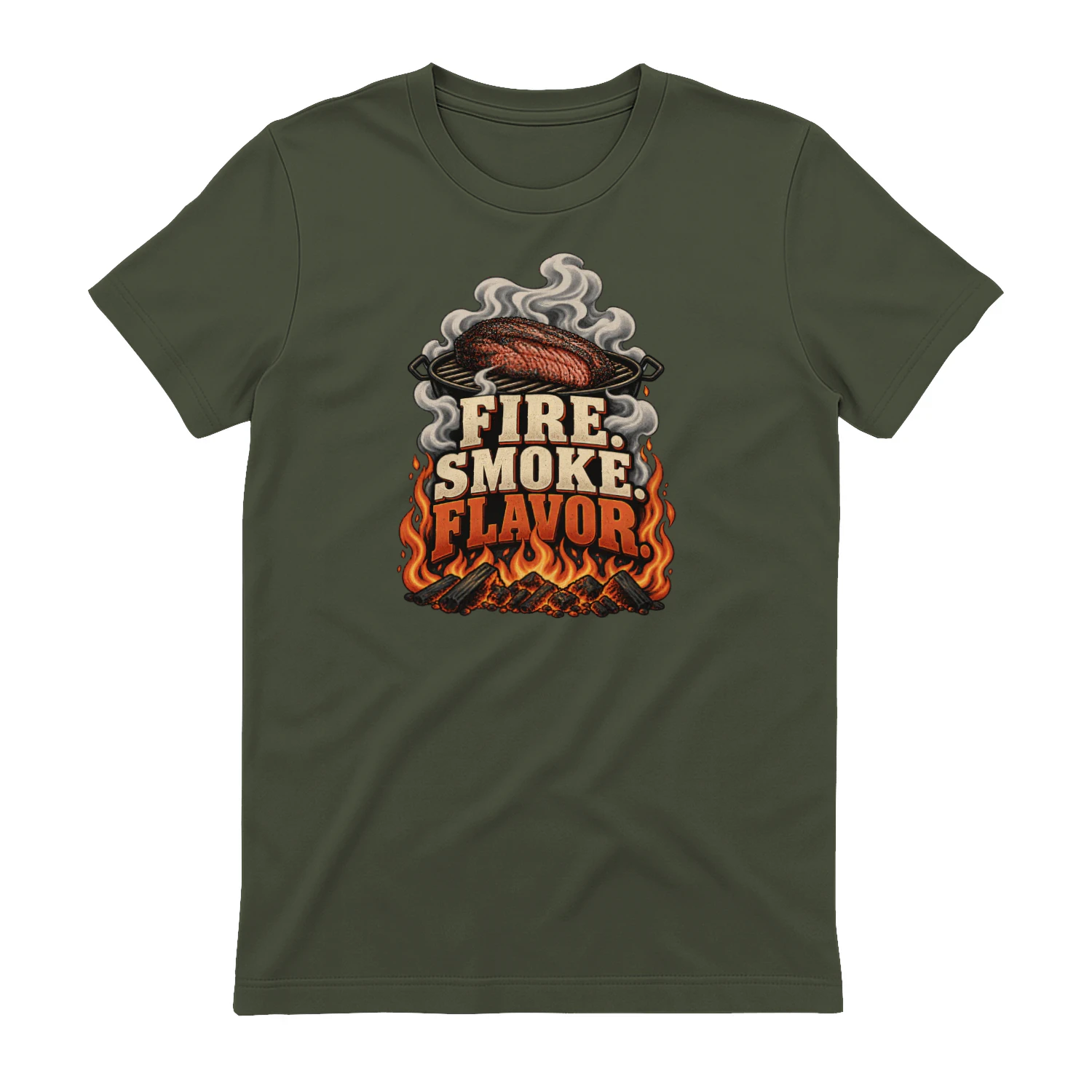
Fire. Smoke. Flavor.
Official Pit Culture merchandise from Texas Thread Theory, built for people who live for fire, smoke and low-and-slow weekends.
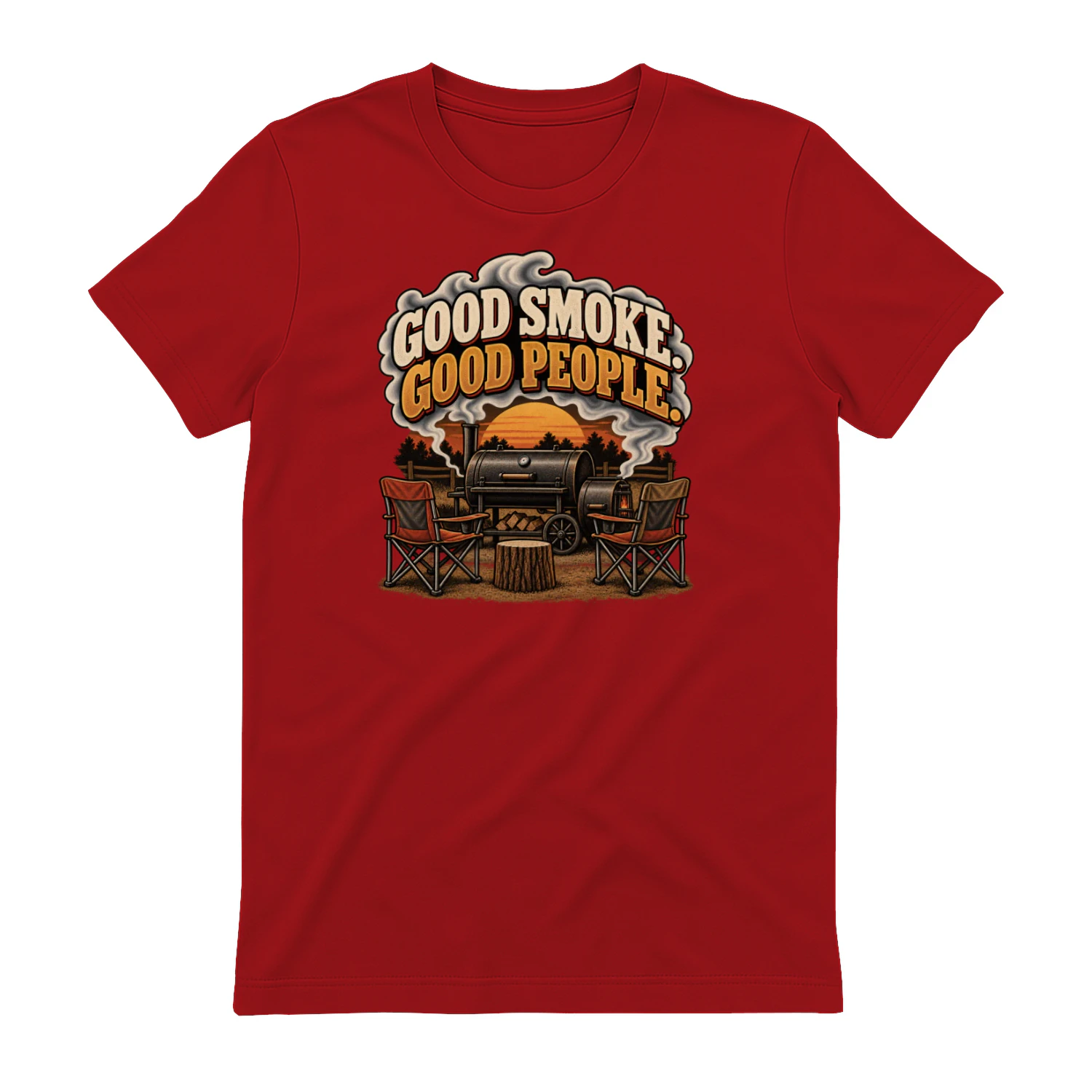
Good Smoke. Good People
Official Pit Culture merchandise from Texas Thread Theory, built for people who live for fire, smoke and low-and-slow weekends.