What a master judge is really looking for
Harry Soo’s message from the World Food Championships is straightforward: if you want to do well in a major barbecue competition, start by treating the turn-in as a judged system, not just a tasty plate. His perspective comes from years at the WFC table, including time as one of the Master judges at final tables, so the advice is shaped by what survives scrutiny when the stakes are high.
The direct answer is that winning entries are usually the ones that are clear, disciplined, and complete. They respect the rules, fit the category, reflect the written description, and hold up long enough to be evaluated fairly. That may sound basic, but Harry’s point is that basic is exactly where a lot of teams slip.
Rules and scoring set the frame
Harry starts with the part competitors often want to skip: the rules. He says the WFC has a large body of rules, and judges and officials use that framework to keep the contest fair. His bigger point is not just that rules exist, but that competitors need to understand how they shape what can and cannot be submitted.
He also points to the WFC E.A.T. scoring system, which breaks judging into execution, appearance, and taste. That structure matters because it shows how a good dish can still lose ground if one piece is off. Execution asks whether the entry actually matches the category and is prepared correctly. Appearance is about what the judge sees first. Taste carries major weight, but it is not operating alone.
Harry’s example is simple and useful: if you submit a taco recipe, it needs to be a taco, not a soup. In other words, the dish has to resemble the thing the contest asked for. That is not a subtle point, but it is one that can get buried when teams focus only on flavor.
Why the title has to match the dish
One of the most practical ideas in Harry’s advice is also one of the easiest to overlook: the title should match the food. If the entry is called berry ribs, judges need to be able to connect that name to what is actually in the box. If the dish suggests fruit or spice, the flavor should make that claim believable.
He also argues for keeping titles simple. From the judging side, a short, descriptive name is easier to remember than a long label loaded with extra words. That does not mean the title should be plain to the point of being empty. It means the name should help the judge understand the dish quickly.
That same logic applies to originality. Harry is not telling teams to chase novelty for its own sake. He is saying the entry should feel like it has a point of view. If the dish is too generic, it can disappear. If it is too complicated to explain, it can confuse the judge before the first bite.
Let the main ingredient stay visible
Appearance is not just about neatness in Harry’s telling. It is about clarity. He keeps returning to the idea that the main elements should shine through, and that too much sauce can hide the details that matter.
That idea extends to ingredient choice as well. If the entry is built around peach ribs, for example, the peach should actually show up in the box or on the plate in some recognizable way. The same principle holds for any feature ingredient. Judges are not supposed to guess what a team meant. The food should make the case for itself.
This is where Harry’s comments become less like abstract advice and more like a warning to teams who overbuild. A box can have strong components and still feel muddy if too many things compete for attention. His preference is for the main item to remain the star, with supporting pieces doing a job without crowding it.
Presentation is a story, not decoration
Harry treats presentation as something you rehearse, not something you improvise right before turn-in. That is important because he does not reduce presentation to visual polish alone. In his view, presentation is also about how the judge experiences the entry as a whole.
He says judges remember entries better when the team tells a good story. That does not mean inventing theatrics. It means the box, the naming, the composition, and the sequence of service should feel intentional. A well-practiced turn-in suggests the team knows exactly what it wants the judge to understand.
This matters especially in a competition setting where the same judge may see many entries in a row. When Harry says practice the presentation, he is really saying that execution includes the human side of the turn-in. If the team looks unprepared, that can affect how the entry lands before the taste score is even reached.
The overlooked test: taste it, then taste it again
One of the strongest parts of Harry’s advice is also the most frustrating for competitors to ignore: taste the food before you turn it in. He says it is surprising how often teams do all the work of a contest and then send food out without fully tasting it themselves.
His concern is underseasoning, but he frames it more broadly as balance. A dish can look polished and still miss if the flavors are flat, too salty, or out of proportion. That is why he emphasizes checking the final product rather than assuming the cook process already solved everything.
He also notes that judges may not eat immediately. Questions get asked, boxes sit, and time passes. That waiting period changes texture. A side like mashed potatoes or something similar can tighten up or dry out. Harry’s observation is practical: think about how the food behaves after it leaves your hands and before it reaches the judge’s fork.
Timing and texture can break a good idea
Harry spends real time on delay because he has seen what happens when teams ignore it. A side dish that seems fine at turn-in can turn stiff, dry, or unpleasant by the time it is tasted. He gives the example of a side that can become almost paper-like after a wait. The larger lesson is that every component needs to survive the delay, not just the ride from prep to judging.
That applies to the full composition too. He advises keeping the plate simple enough that the main item can stand out. If the box is overloaded with sides, each one adds another chance for the texture to break or the composition to lose focus. Simplicity is not laziness here; it is risk control.
Why lighting and Chef’s Choice matter
Harry also brings up a detail that many teams may not plan for: lighting. In a dim judging area, the best-looking dish can lose impact if judges cannot see it clearly. He says some teams bring LED lighting to help the judges see the entry more clearly. The takeaway is not that every contest needs a production setup. It is that visibility is part of presentation, too.
He finishes with a note on Chef’s Choice, or the wildcard entry, where dessert seems to resonate well with judges. His point is not that dessert is automatically easier or guaranteed to win. It is that by the end of a judging sequence, a sweet entry can stand apart from a run of meat-heavy plates and leave a different impression.
That observation fits the rest of his advice. The entry that wins is not usually the one that tries to do the most. It is the one that does the basics cleanly and stays readable under pressure.
The real lesson from Harry Soo’s judging table
Harry’s advice does not promise shortcuts. It points to habits that make a competition entry legible to a judge: follow the rules, respect the category, name the dish clearly, show the key ingredient, taste the food before turn-in, and think ahead to the time and conditions between the box and the bite.
For teams entering a major barbecue event, that is the most useful kind of feedback because it turns judging into something you can prepare for. Not by guessing what the judges want, but by building a dish that answers the basic questions before they are even asked.
Watch the original video: https://www.youtube.com/watch?v=3yxL-AepiqA
PIT CULTURE MERCH
Two Pit Culture designs from Texas Thread Theory for people who live for fire, smoke and low-and-slow weekends.
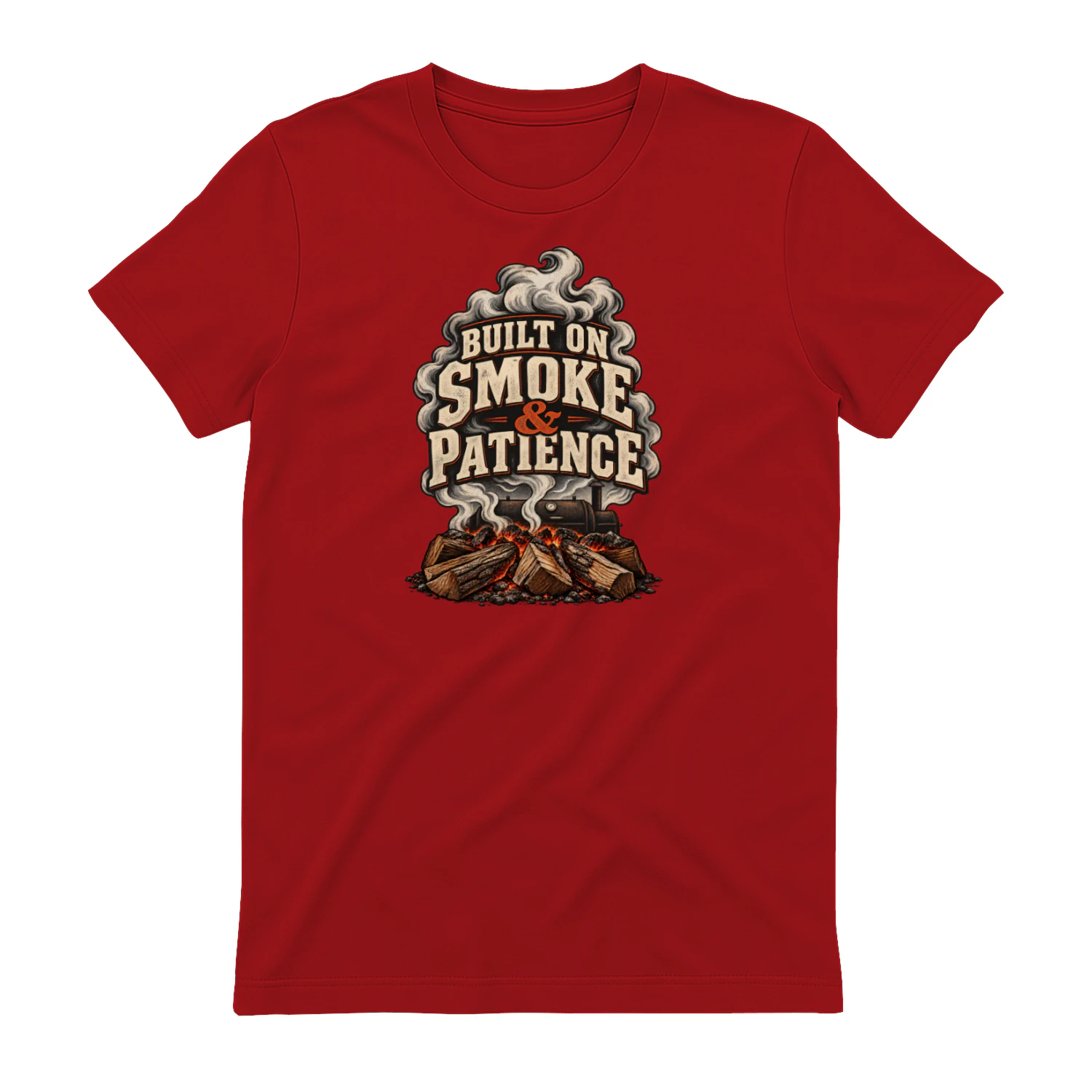
Built on Smoke & Patience
Official Pit Culture merchandise from Texas Thread Theory, built for people who live for fire, smoke and low-and-slow weekends.
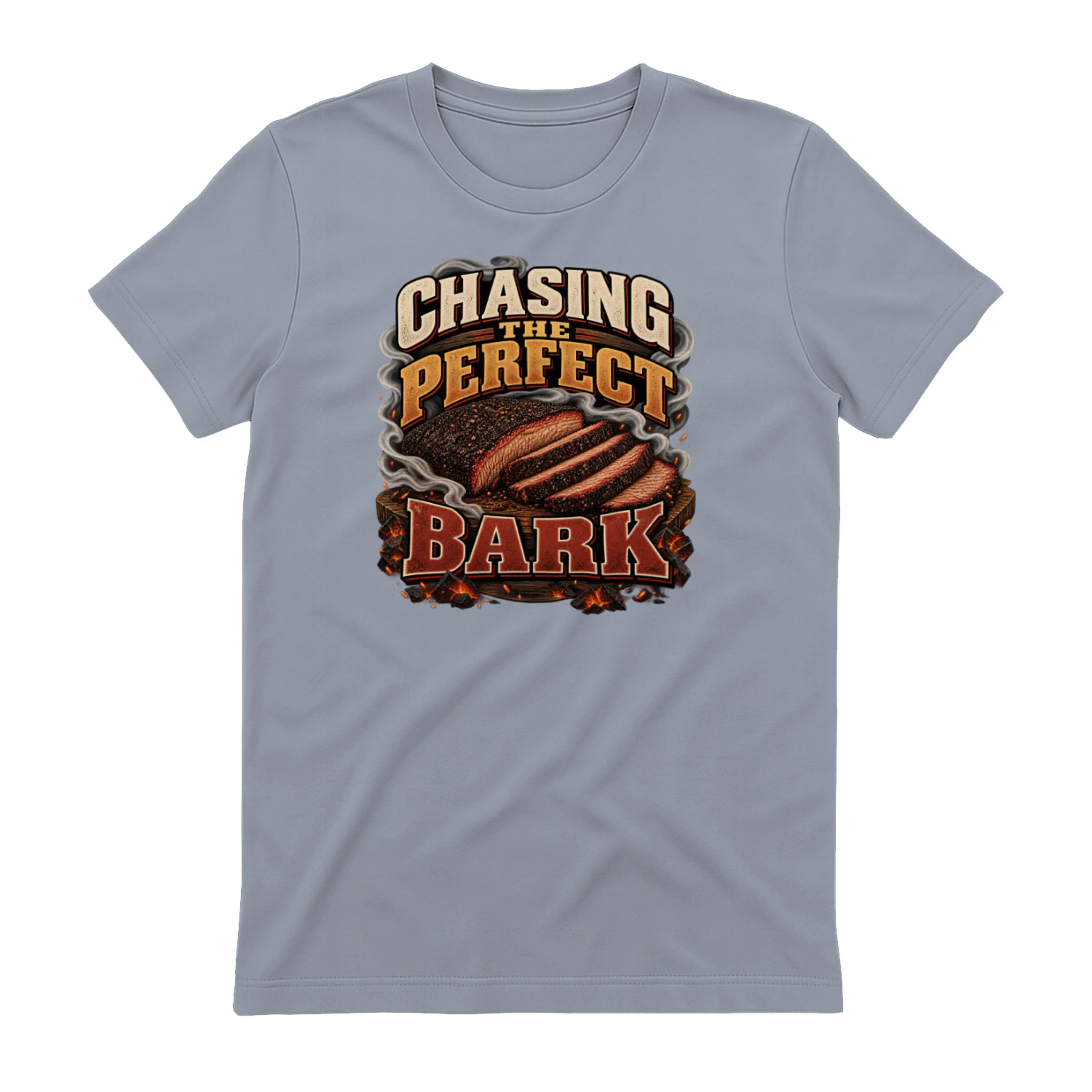
Chasing the Perfect Bark
Official Pit Culture merchandise from Texas Thread Theory, built for people who live for fire, smoke and low-and-slow weekends.