What makes this beef rib rack unusual
The direct answer from the video is simple: this is a whole rack of beef ribs, cooked in Buenos Aires over open fire, and it is far bigger than the rib sections most people are used to seeing. Al Frugoni points out that the rack carries 11 bones and weighs 24 pounds, which immediately changes how you think about the cook. This is not a quick grill job and not a small-format barbecue project. It is a long, deliberate fire cook built around size.
That size matters because the cut itself is part of the story. Frugoni explains that in Argentina, beef is commonly cut differently than in the U.S. and many European countries. Instead of the smaller center section most people know, this rack keeps the whole rib section intact. He frames it as a traditional cut tied to gaucho cooking, which gives the video a cultural angle as well as a technical one.
The result is that the video is not only about making beef ribs taste good. It is about cooking a format that changes the rhythm of the entire process. The rack is big enough that every choice — trimming, seasoning, heat level, and timing — has to be made with the scale of the cut in mind.
Why the Argentine cut changes the whole cook
Frugoni spends time explaining what viewers are actually looking at, and that explanation does some important work. He identifies the outside skirt and the tapa de asado, and he notes that part of the rack is removed and cooked separately. He also references the brisket area and the flat, showing how closely he is thinking about the anatomy of the animal rather than treating the rack as a generic slab.
That matters because the video’s logic is built on respecting the structure of the cut. The rack is not trimmed down into something easier just for the sake of convenience. The bones stay, the fat stays, and the rack is cooked as a whole piece because that is part of how the method works. Frugoni specifically pushes back on the instinct to trim aggressively, saying the bones and fat protect the meat and add flavor.
For readers trying to understand the cook, that is the key idea: the size and structure of the rack are not problems to solve. They are part of the cooking method.
The fire-management rules that matter most
Once the rack hits the grill, the method is straightforward, but not easy. Frugoni says the cook is about four to five hours overall, and he keeps repeating the same core job: manage the fire. In his framing, open-fire cooking is not passive. Someone has to keep adding fire and controlling heat as the cook progresses.
He also gives a practical way to judge the heat without talking in numbers or gadgets. He uses hand distance and a count: for this kind of asado cook, your hand should last around six to eight seconds before you pull away. That is his way of showing when the fire is in the right zone. If the heat feels too intense, he says the answer is to raise the rack or spread the fire out.
One rule comes up clearly and early: bone side first, always. Frugoni says most of the cook — roughly 80 percent by his description — happens on that side. He expects the bone side to do much of the work because the heat from the bones helps cook the meat from below. In practical terms, that means the rack spends hours facing one direction before it gets turned and finished on the other side.
That approach gives the cook its shape. It is not about constant flipping or chasing color. It is about setting the rack in the fire’s orbit and letting the heat do its work over time.
Salmuera, color, and the midway flip
At about the two-hour mark, Frugoni pauses to check color and drippings before doing anything else. He is looking for the rack to begin taking on a golden tone, with a little bone pull starting to show. That check tells him the fire is working and the surface is developing the way he wants.
This is also when he brings in salmuera. He explains it as a brine applied during the cook, made from water, salt, and spices. In this video, he uses his own asado rub as the base for the mixture, then adds warm water to create the liquid application. He says the salmuera has two purposes: seasoning the meat and helping the cooking process.
That second part is important. Frugoni describes open fire as aggressive, and he treats the salmuera as a way to calm the meat a bit while also supporting the color he wants on the surface. He even demonstrates the application in a playful way, first referencing a more traditional spoon method and then using a brush made from fresh herbs gathered from the garden.
The flip comes later, around the four-hour mark. He says the timing is tied both to the clock and to what the bone is telling him: the bones begin to show, the pull becomes obvious, and the back of the rack feels warm enough to signal that the heat has penetrated through. At that point, the rack comes off the bone-side-first phase and moves into its finishing side.
A cook that becomes a backyard gathering
The video is not filmed like a sealed-off technical demo. People are around the fire, and the setting matters. Frugoni talks about friends coming by, drinking, and being together while the fire burns. That social element is part of the asado logic he is showing. The fire is the center, but so is the group around it.
He also steps away from the grill and into the backyard of his host, Nico, where the environment becomes part of the feature. The man cave tour includes an outdoor bar, a TV, a gas grill, a game table, and a built-in Argentinian grill. The point is not just to show off a space. It reinforces how this style of cooking lives alongside family, friendship, and a broader outdoor culture.
Frugoni even spends time crediting the people helping behind the scenes, including Trini, who manages the content side of the operation. That detail gives the cook a less polished, more lived-in feel. The video is still about the meat, but it is also about the people who make the day function.
What the finished rack tells you about the method
By the end of the six-hour cook, Frugoni says the rack is done: four hours on the bone side, two on the other side. He notes that the fat has rendered and the bones have pulled. After resting, the rack is ready for the final moment with Nico.
The tasting itself is brief, but the larger message is clear. This method depends on restraint. The seasoning is simple. The heat is managed by hand and by attention. The fire is not forced. The rack is allowed to develop color, render fat, and finish in stages.
That is why this video works as more than a showcase of a huge cut. It explains why a whole rack of beef ribs changes the rules. The cut demands patience, the fire demands constant attention, and the Argentine asado approach gives both of those demands a structure that makes sense.
For viewers who only know the smaller rib sections commonly sold elsewhere, this is a useful reminder that beef ribs can be something much bigger, both physically and culturally. Frugoni’s whole rack is a traditional format, and the cook reflects that tradition from beginning to end.
Watch the original video: https://www.youtube.com/watch?v=0Hm3U9WXRBY
PIT CULTURE MERCH
Two Pit Culture designs from Texas Thread Theory for people who live for fire, smoke and low-and-slow weekends.
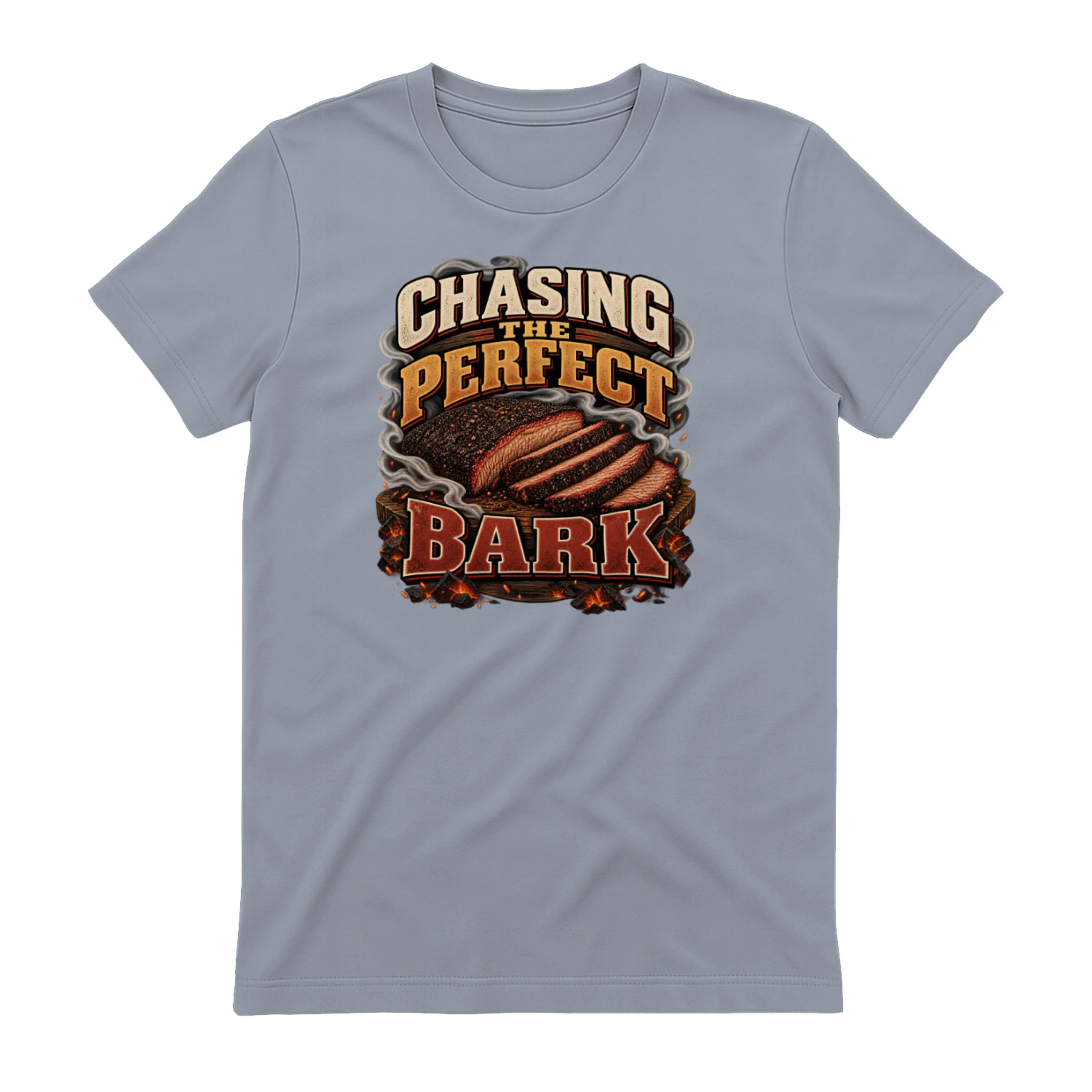
Chasing the Perfect Bark
Official Pit Culture merchandise from Texas Thread Theory, built for people who live for fire, smoke and low-and-slow weekends.
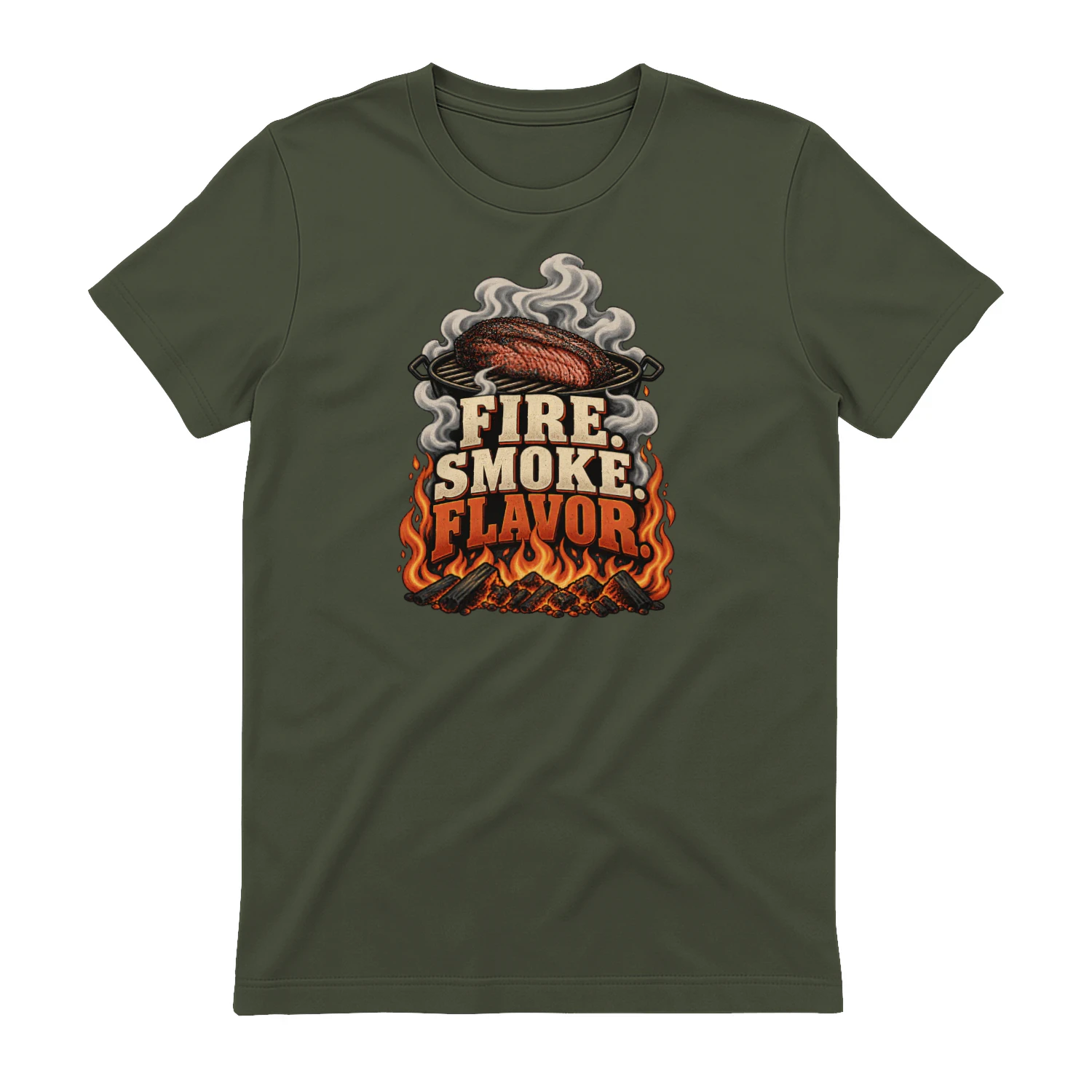
Fire. Smoke. Flavor.
Official Pit Culture merchandise from Texas Thread Theory, built for people who live for fire, smoke and low-and-slow weekends.

