The short answer: not a straight upgrade
Steve Gow’s brisket test gets to the point fast. He cooks three briskets side by side — a Costco Angus brisket, an American Wagyu brisket, and a Japanese Wagyu brisket — then serves them to a panel made up of barbecue people with enough experience to separate hype from what is actually on the plate. The clearest takeaway is simple: Japanese Wagyu brisket is not presented as a universal upgrade over American Wagyu. It is a different kind of eating experience, one that the panel treats as special rather than automatically superior.
That is the useful frame for the whole video. The question is not just “which one tastes best?” It is also “which one makes sense for competition, for a restaurant, for a family meal, or for a once-in-a-while flex?” The answers shift depending on the cut, the breed, the shape of the meat, and how the brisket was cooked.
Three briskets, three very different expectations
The setup matters because Gow does not present these briskets as interchangeable. The first is a standard Costco brisket, which he uses as the everyday baseline. The second is an American Wagyu brisket from Snake River Farms Gold, a full packer with point and flat attached. The third is Japanese Wagyu, but not a textbook full brisket; it is described in the video as a half brisket, with the flat removed and the point side left to work with.
That last detail changes the entire comparison. It means the Japanese brisket is not being judged as a perfect mirror image of the other two. The panel notices this, and the video spends a fair amount of time on what that means in practice. Rather than forcing a false equal comparison, the tasting ends up showing how much the structure of the cut matters before the first bite ever lands.
Why the cook changes when the price changes
Gow seasons all three briskets with broadly similar treatment: trim, salt, soy sauce, and brisket rub. But the Japanese brisket gets special handling from the start. He trims very little from it, partly because it is so expensive and partly because the cut is already limited. He even saves one flap-like piece for another use rather than discarding it.
The cook itself follows the same broad plan for all three: onto a homemade offset smoker, a few hours of color, spritzing and rotation, then foil boating to help them cook more evenly. Around 12 hours in, he pulls them at about 195°F internal, wraps them fully in foil, and holds them overnight at 150°F.
That overnight hold turns out to matter. The panel repeatedly talks about juiciness, rendered fat, and texture that feels finished rather than merely cooked. The briskets are not just smoked; they are held in a way that gives the slices time to settle into themselves.
What the panel liked about the Angus brisket
The Angus brisket is the first real benchmark. It comes from Costco, but nobody on the panel treats it like a throwaway. Once sliced, it shows a strong bark, good moisture, and enough structure that the meat still feels like brisket instead of soft mush.
The reactions are consistently positive. The tasters note that it is perfectly cooked, has good texture, and melts on the tongue while still keeping enough structure to feel like barbecue. One of the most telling comments is that it would do well in a restaurant setting even without any Wagyu label attached.
That matters because it sets a floor for the rest of the video. If a regular Angus brisket can already taste this good, the premium options need to do more than simply be fatter. They need to justify their place with flavor and experience.
Why the American Wagyu brisket feels like the competition pick
The American Wagyu brisket from Snake River Farms Gold is where the panel starts describing a richer, deeper, more luxurious profile. They talk about the tighter muscle fibers, the redder color, the visible jiggle from the intramuscular fat, and a flavor that reads as beefier and deeper than the Angus.
The important word here is not just “fattier.” Several tasters point out that the meat itself tastes different, not merely the fat. They describe it as richer, more meaty, and more like the kind of brisket they would want to serve in competition or use when the goal is to impress in a serious barbecue setting.
It is also the brisket that feels most familiar in a Texas-style barbecue frame. The panel talks about it as the kind of meat that gets used in competitions and the kind that bridges the gap between luxury and practicality. That is a key distinction. It is premium, but not so rare that it disappears from the real world entirely.
Why the Japanese brisket becomes its own category
The Japanese Wagyu brisket is the part of the video that most clearly resists simple comparison. Because it is only the point side, the slicing becomes a little awkward, and Gow openly works through where the flat would have been and how best to cut what is left. That’s not a flaw in the video; it is the point. The shape and structure force everyone to rethink what brisket should even look like.
The tasting notes move in a different direction too. The panel keeps returning to terms like rich, buttery, tender, and extremely rich. But just as often, they talk about how little of it you need. The brisket is so intense that several people describe it as something you would serve for a special occasion, not something you’d keep slicing all night.
One especially useful observation is that the Japanese brisket still tastes like beef. That may sound obvious, but it is the exact place where premium meat can go sideways in barbecue conversations. Here, the panel seems relieved that the Wagyu richness does not erase the beef character.
What really separates it from the others is not just taste, but scale. It feels like a treat in a way the other briskets do not. The panel does not reject it as too much; they just stop trying to make it answer the same question as the other two.
The panel’s real conclusion: use case matters more than ranking
By the end, nobody on the panel tries to force a clean tier list. That is the most honest outcome in the video. The Angus brisket holds its own as a strong everyday option. The American Wagyu brisket is the most obviously useful choice for competition-style cooking. And the Japanese Wagyu brisket lands as a special event cut — impressive, rich, and memorable, but not necessarily the brisket to buy when you want the best value or the most versatile cook.
That last point is the clearest answer to the original question. Japanese Wagyu brisket is not “better” in a simple, universal sense. It is different enough that it earns a different role. If you want the brisket that feels like a flex, the Japanese cut makes sense. If you want the brisket that feels most at home in barbecue competition culture, the American Wagyu gets the stronger case. If you want a reliable brisket that still eats very well, the Angus does real work here.
The video also makes one broader point that barbecue people will recognize immediately: a great cook can make all three briskets look far better than they might in lesser hands. The panel repeatedly credits the cook itself, not just the meat. That is probably the most grounded lesson in the whole test.
Watch the original video: https://www.youtube.com/watch?v=e-nBdB0sW0w
PIT CULTURE MERCH
Two Pit Culture designs from Texas Thread Theory for people who live for fire, smoke and low-and-slow weekends.
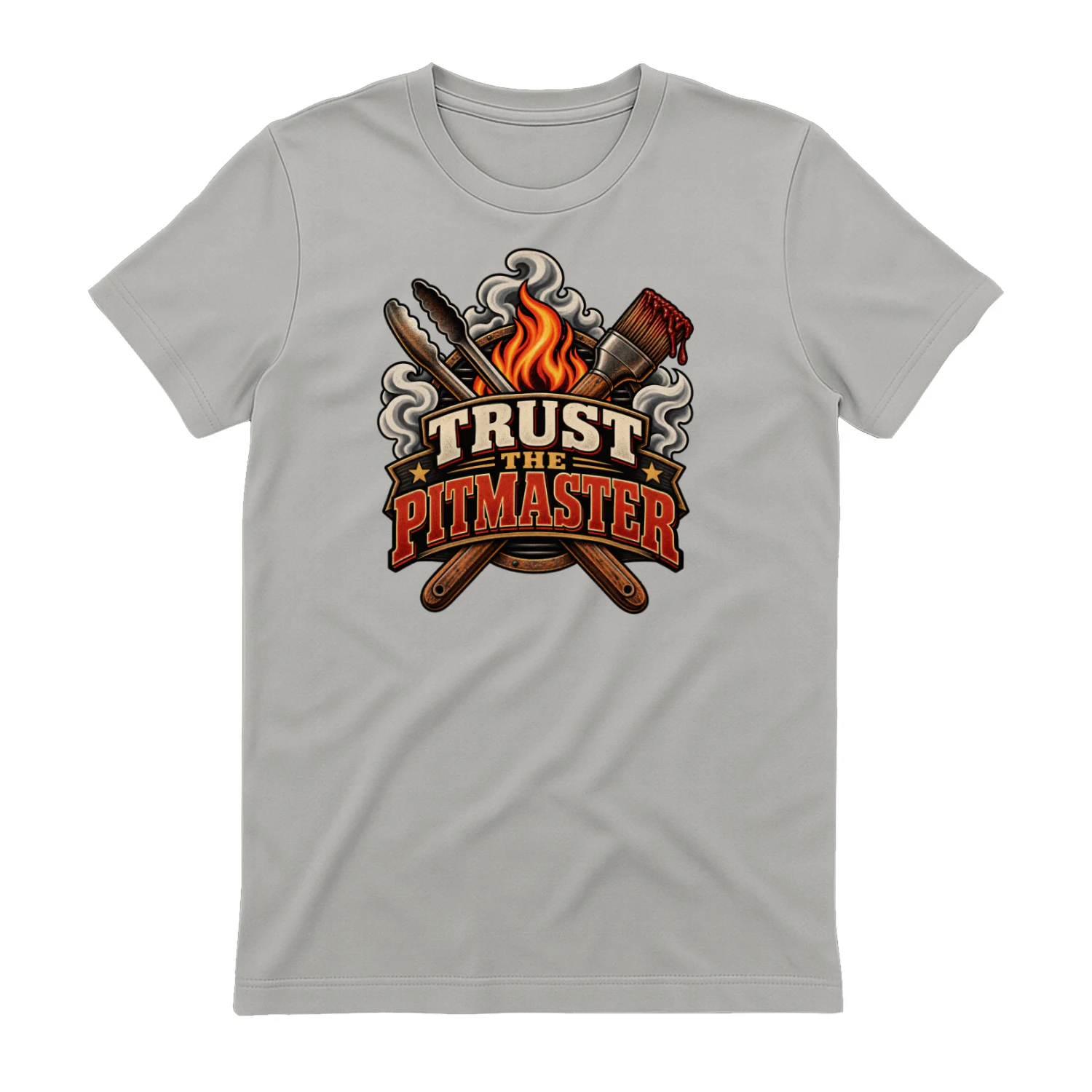
Trust the Pitmaster
Official Pit Culture merchandise from Texas Thread Theory, built for people who live for fire, smoke and low-and-slow weekends.
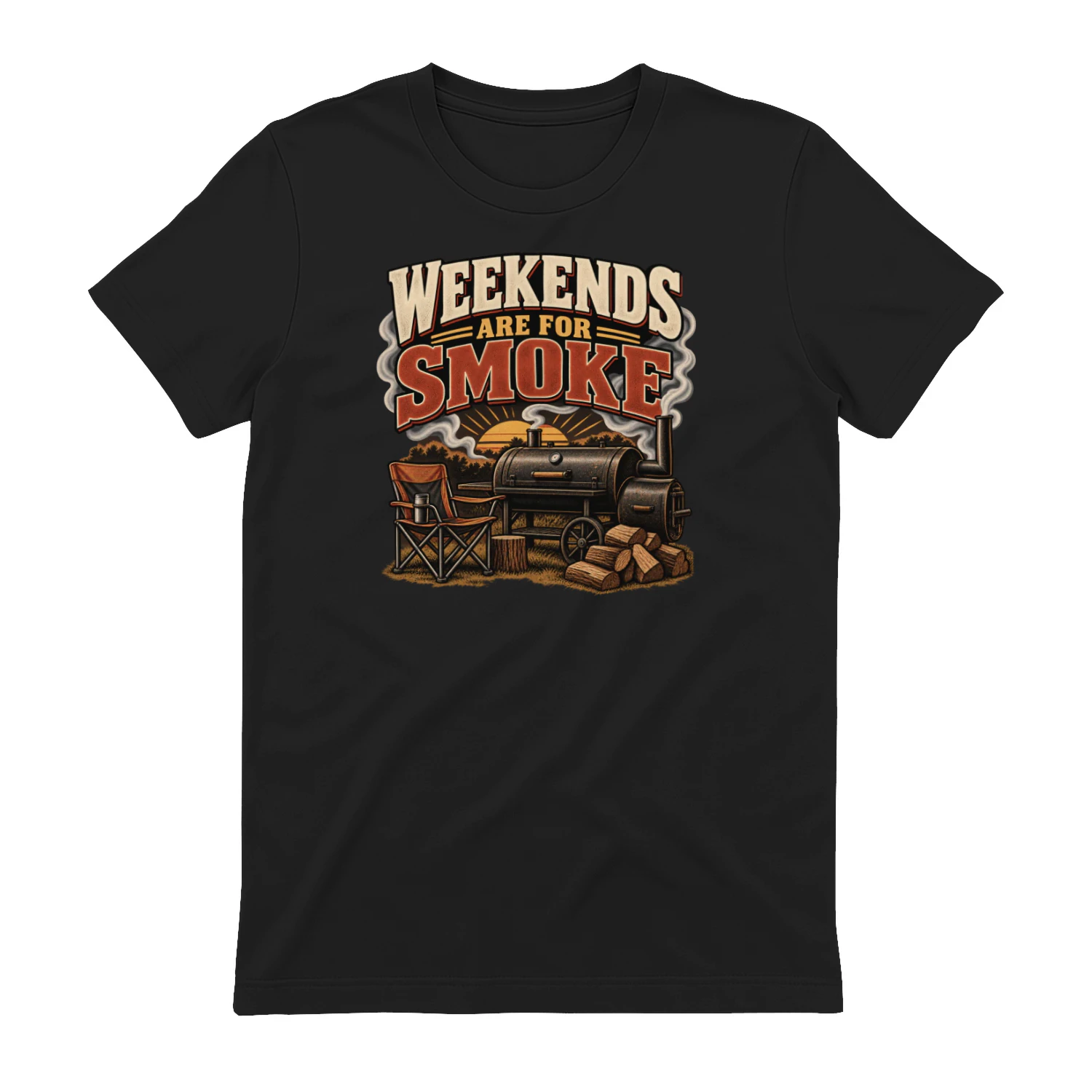
Weekends Are for Smoke
Official Pit Culture merchandise from Texas Thread Theory, built for people who live for fire, smoke and low-and-slow weekends.

