What this whole-lamb cook is really showing
The clearest lesson in this LeRoy and Lewis barbecue video is not just how to cook lamb, but how to make a whole lamb feel approachable. The method starts with a simple idea: break the animal down first, smoke the pieces, wrap them, rest them, and then pick the meat for serving. That is the direct answer if you are wondering what they are doing here. They are not trying to prove that a whole lamb should always stay intact. They are showing that a backyard pellet grill can handle a much larger project if you treat the lamb like a set of useful cuts instead of one giant object.
Jess Pryles joins Evan for the cook, and the video is built around the two of them working through the lamb by hand. The lamb is described as Australian and halal, and Evan points out that the size matters because it lands in a range that produces recognizable pieces once it is broken down. That practical size is part of the point. The finished cuts are meant to look familiar, cook more evenly, and be easier to manage with just a couple of knives.
Why the lamb gets broken down first
This is the part of the video that matters most for anyone who has looked at a whole lamb and assumed it requires a butcher’s shop to handle. Evan is clear that he prefers to break whole animals into primals, especially when the goal is barbecue. The reason is not mystery or tradition for its own sake. It is handling.
Once the lamb is divided up, the pieces are easier to move, easier to season, and easier to cook through. Evan says the smaller pieces cook faster and develop more crust, which is a useful detail because it explains the method better than any technical flourish could. The team is not chasing perfect retail butchery. They are trying to separate the lamb into pieces that make sense for smoking and pulling later.
The breakdown touches a lot of recognizable parts: shoulders, legs, saddle, neck, shanks, ribs, and smaller pieces from the middle. Jess and Evan both keep returning to the same idea: you do not need a bandsaw or a textbook-level breakdown to make this work. Gravity, force, and a steady hand get the job done. The video is almost a case study in how much can be accomplished with a knife, some confidence, and a friend to steady the work.
That is also why the conversation keeps circling back to practicality. They are not pretending this is surgical. They say as much. The point is to end up with usable pieces, not museum-grade seams.
Seasoning for smoke, bark, and tenderness
Once the lamb is broken down, the seasoning step gives the cook its flavor identity. Jess brings Hardcore Carnivore camo, a rub she explains as being built for lamb and wild game. She notes that it is based on biltong seasoning and leans on coriander, with black pepper, cardamom, and turmeric also in the mix. The transcript frames it as fragrant rather than hot, which fits the larger goal of giving lamb a big savory surface without overwhelming the meat.
Evan also talks about the texture of the rub, and that matters. The coarse grind is part of what helps create bark on the outside of the lamb. In barbecue terms, that bark is not decorative. It is part of the final bite, especially after the meat gets wrapped and finished later. The seasoning is doing two jobs at once: contributing flavor and building the crust that will survive the rest of the cook.
The exchange between the two cooks also shows the recipe as something shared rather than guarded. Jess mentions using LeRoy and Lewis seasoning at the restaurant, and the video treats that as a natural extension of the friendship between the two kitchens. It is a reminder that this cook lives in a real barbecue culture, not just a camera-ready recipe format.
The pit plan: smoke, wrap, rest, then pick
The smoking stage is straightforward. The lamb pieces go onto a pellet grill at about 250 degrees, with the intention of building smoke and beginning the breakdown of fat and connective tissue. Evan later bumps the temperature to 275 to deepen the color and move the meat toward that mahogany look barbecue cooks are always chasing. The transcript makes the temperature plan clear without trying to overcomplicate it.
The target is not a clock alone. Evan gives rough internal numbers, saying he is looking for the thinner pieces to reach about 155 to 165 before wrapping. He is also clear that tenderness matters more than the exact figure. That is an important distinction. In this cook, temperature is a guidepost, not the only decision-maker.
Wrapping comes next, and the video explains why. Once the bark is set, wrapping helps keep the meat from drying out and preserves juices that would otherwise be lost. Evan specifically says he does not want all the crusty seasoning to wash away, so he wraps the pieces completely rather than doing a partial boat. That choice keeps the barbecue focused on tenderness and moisture, which makes sense when the end goal is pulled lamb rather than sliced presentation.
After the wrapped pieces return to the pit, the cook continues until the meat is tender enough to pull. Some pieces are ready earlier than others. The transcript leans into that unevenness instead of hiding it. That is one of the more useful things about the video: a whole lamb is treated as a collection of parts with different timelines, not as one uniform roast.
Picking the meat is part of the method, not an afterthought
When the lamb comes off, the work shifts from cooking to sorting. Evan and Jess spend time picking through the meat, saving juices, removing bones, and leaving behind anything that would eat tough or stringy. The transcript describes this as butchery in reverse, which is a neat way to frame it. You cook first, then decide what belongs in the final pile.
This stage also reveals the thinking behind the earlier breakdown. Shoulders, neck, saddle, and leg all contribute differently. Some pieces are richer in connective tissue and moisture; others are leaner and benefit from the juices gathered in the pan. Evan even notes that the legs may need the other parts around them to round out the final mix. That is a useful barbecue lesson on its own: a pulled meat platter works best when different textures are blended together.
The video does not present the picking as glamorous. It is patient, hands-on work. It also has a clear standard: if a piece feels too leathery or stringy, it stays out. If it pulls apart easily and looks good, it goes in. That simple test is one reason the finished lamb sounds so appealing by the end. It is not just smoked; it is sorted for texture.
What the finished lamb tastes like at the table
Jess’s reaction after tasting the lamb does a lot of the finishing work. She describes it as juicy and tender, and the video emphasizes how mild and clean the lamb tastes once the smoke and seasoning come together. That matters because lamb often gets discussed as though it is inherently strong or difficult. Here, the smoke seems to balance the meat rather than bury it.
The serving ideas are simple, which fits the rest of the cook. Evan mentions pita with tzatziki or a taco as the book recommendation, and Jess immediately gravitates toward the taco idea. That makes sense in the context of the video: this is barbecue meant to be eaten, not plated for display. A flatbread, a tortilla, or even a straight handful are all consistent with the spirit of the recipe.
The broader takeaway is that the method lowers the barrier to a whole-lamb cook without flattening it into something ordinary. Breaking the lamb into primals, seasoning it boldly, smoking it on a pellet grill, and then wrapping and picking it produces something that feels both practical and substantial. If you have ever looked at a whole lamb and assumed it was out of reach, this video argues otherwise.
Watch the original video: https://www.youtube.com/watch?v=hQI3PV6xhyE
PIT CULTURE MERCH
Two Pit Culture designs from Texas Thread Theory for people who live for fire, smoke and low-and-slow weekends.
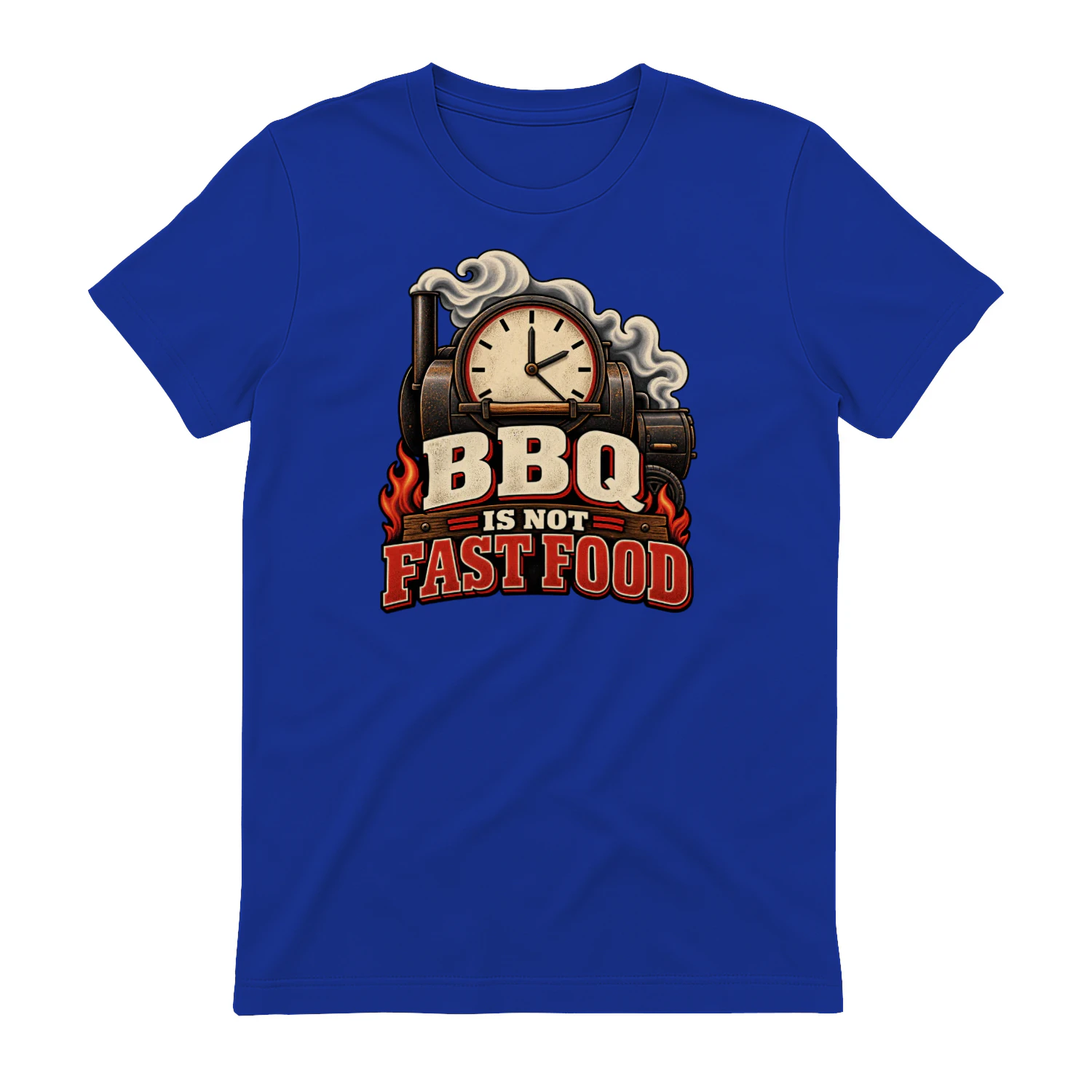
BBQ Is Not Fast Food
Official Pit Culture merchandise from Texas Thread Theory, built for people who live for fire, smoke and low-and-slow weekends.
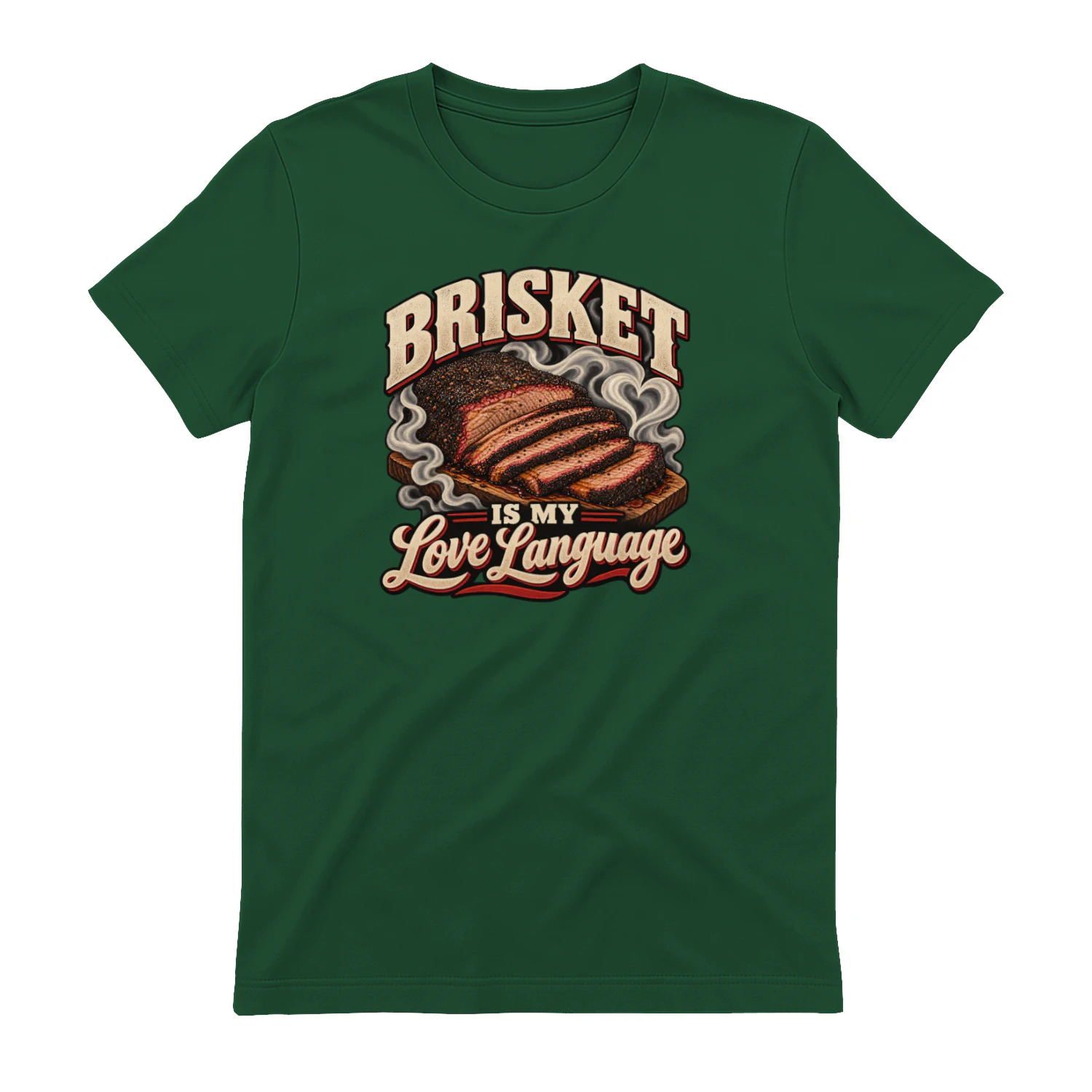
Brisket Is My Love Language
Official Pit Culture merchandise from Texas Thread Theory, built for people who live for fire, smoke and low-and-slow weekends.

