The direct answer: pizza oven wings work because the cook is set up for crisp skin
Cooking With Ry’s wing method works because he treats the pizza oven like a controlled high-heat cooker, not just a place to throw in a tray and hope for the best. The wings are seasoned the day before, left uncovered in the refrigerator, then cooked in a Sicilian-style pan in the Gozney Dome XL Gen 2 while the flame is managed to keep the oven in the right range. The payoff is skin that crisps up while the meat finishes evenly.
That is the whole point of the video. The wings are not being sold as complicated, and they are not built around a long ingredient list. The technique carries the cook.
The prep starts early, and that matters more than a complicated rub
Ry begins with a mix of flats and drummies and seasons them with his simple SPG-style blend: kosher salt, coarse black pepper, granulated garlic, and smoked paprika. He notes the ratio clearly, but the larger idea is even simpler. The seasoning is meant to coat both sides without turning the wings into something fussy.
The move that really shapes the result is the overnight rest. Ry says he likes to air-dry wings when he has the time, and that if he does not, a few hours in the refrigerator still help. In this cook, he goes for the fuller overnight approach. The wings sit uncovered on a rack so they are not resting in their own juices. That detail matters because crisp skin usually starts before the oven ever gets involved.
This is one of those cases where the video is honest about what improves a wing cook without pretending there is a trick hidden in the background. Season, dry, chill, then cook.
The jalapeño ranch is there to support the wings, not bury them
Ry also makes a charred jalapeño ranch dip before the cook, and it follows the same practical logic as the wings. He starts with mayonnaise, sour cream, buttermilk, garlic, lime zest, lime juice, smoked paprika, black pepper, kosher salt, dill, cilantro, chives, honey, and a jalapeño that has been charred, seeded, diced, and chilled.
The point of the dip is not heat for its own sake. In the video, Ry tastes it and decides it is finished without adding anything else. He also notes that the jalapeño flavor comes through clearly, but the dip is not hot. That makes it a good match for wings that already bring texture and seasoning of their own.
It also suggests a wider use beyond this plate. Ry mentions that the dip could work as a dressing, and even as a finishing drizzle on pizza. That is a useful clue to how he thinks about the sauce: not as a one-off garnish, but as something with enough brightness and herbiness to travel.
Inside the oven, the control comes from how he manages heat
The oven setup is where the cook becomes specific. Ry says the Gozney Dome XL Gen 2 is running in a range that can shift depending on whether he turns the flame off and uses the door, or opens it up and relights the flame. He also makes clear that this is not a pizza-temperature cook. He is working in the general range of a hotter-than-grill, cooler-than-pizza environment, with deck heat doing part of the job from below and flame doing part of the job from above.
He arranges the wings in a Sicilian-style pizza pan, noting that the pan itself helps because it is suited to this kind of cook. He does not spray oil in the pan, saying the chicken will release enough of its own fat. That is another practical choice rather than a decorative one. The goal is to keep the wings in contact with enough heat to brown while avoiding unnecessary grease management.
The first stretch of the cook happens with the flame off and the door on. After about 20 minutes, Ry checks the color, sees that the wings are starting to brown, then turns the flame back on low and gives the pan a 180-degree turn. A later check shows the wings approaching doneness, with the drummies registering in the high 190s and the flats looking ready too.
That sequence is the real lesson of the video. The oven is not just blasting heat. It is being used with intention, alternating modes to build color and finish the meat without rushing the skin.
What the finished wings say about the method
Ry clearly likes both flats and drummies, but he still reaches for the flat first when it is time to taste. That choice fits the rest of the cook: he is looking for skin texture and a clean bite, not just bulk.
The tasting confirms the approach. He notes that the skin is crispy and that the jalapeño ranch brings a pronounced jalapeño flavor without turning the plate into a heat challenge. That matters because the video is not trying to prove that wings belong in a pizza oven by making them flashy. It proves it by making them sound straightforward and repeatable.
If there is a larger takeaway here, it is that pizza ovens can do more than pizza when the cook is adjusted to the food. Ry does not use the oven as a novelty. He uses it as a high-heat enclosure with enough flexibility to let wings dry, brown, and finish in a controlled way. The pan, the overnight rest, and the flame management all point in the same direction.
For home cooks who already have a pizza oven and want a different use for it, this video gives a clear model. Start the wings the day before. Keep the seasoning simple. Let the skin dry. Watch the heat. And give yourself a sauce that adds contrast without overpowering the bird.
Watch the original video: https://www.youtube.com/watch?v=BWYiuJby94E
PIT CULTURE MERCH
Two Pit Culture designs from Texas Thread Theory for people who live for fire, smoke and low-and-slow weekends.
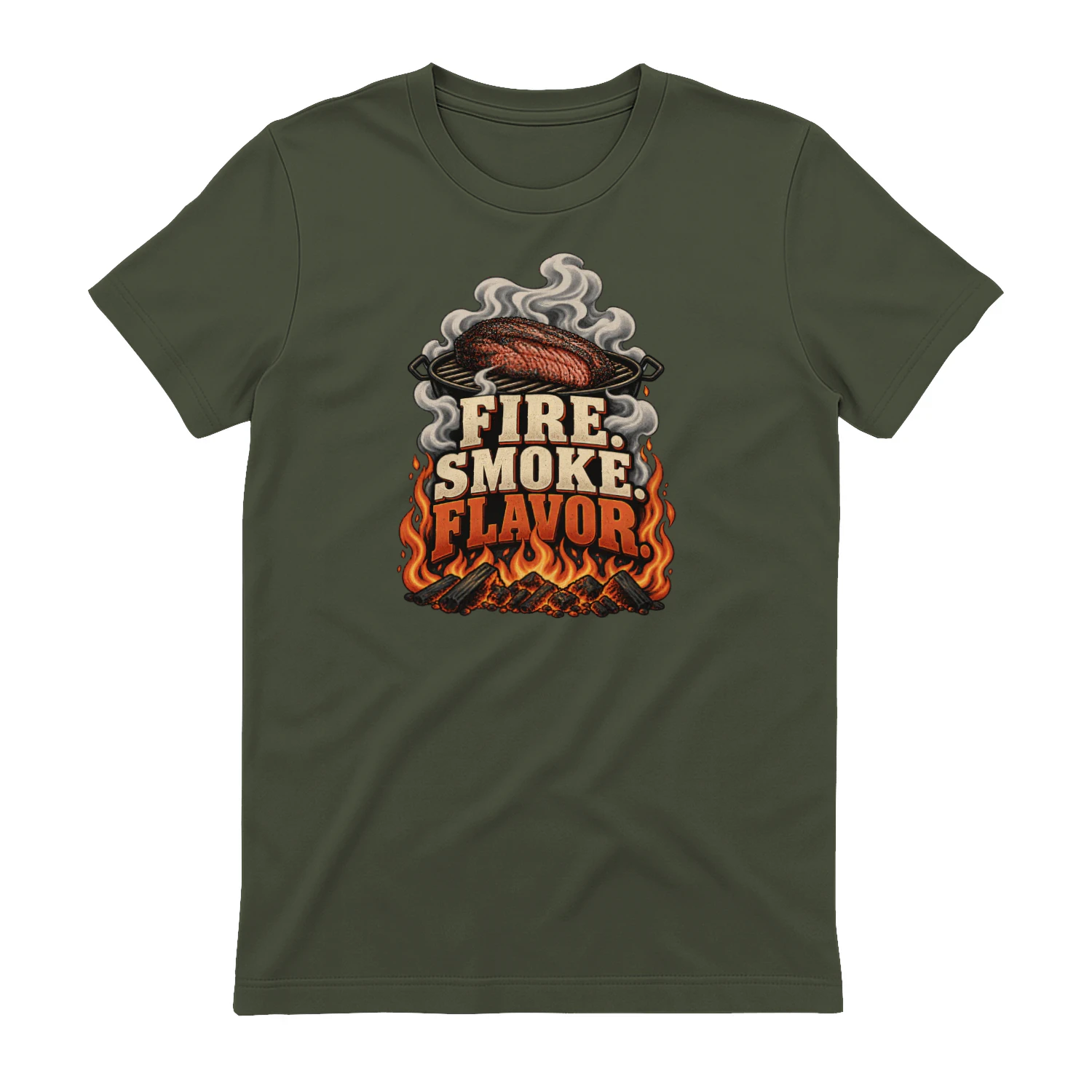
Fire. Smoke. Flavor.
Official Pit Culture merchandise from Texas Thread Theory, built for people who live for fire, smoke and low-and-slow weekends.
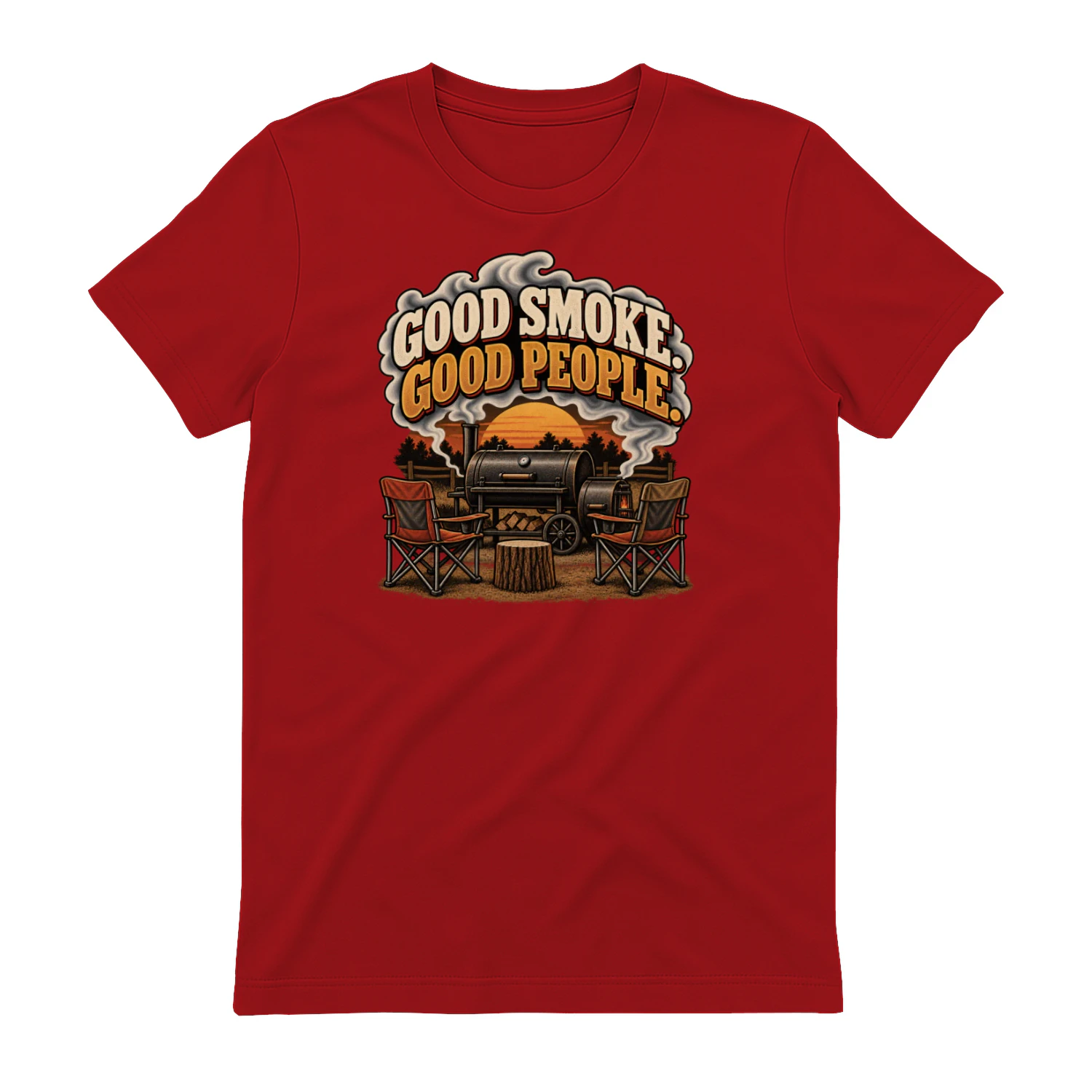
Good Smoke. Good People
Official Pit Culture merchandise from Texas Thread Theory, built for people who live for fire, smoke and low-and-slow weekends.

