Why the live elk demo mattered
The direct answer is simple: this video is about a full elk being processed live, start to finish, in front of a paying crowd at Montana Knife Company in Missoula. The Bearded Butchers do not treat it like a polished highlight reel. They treat it like a working class. The elk had come from Idaho, spent the night in a Freedom Cooler, and then became the centerpiece of a live breakdown that mixed instruction, humor, and hands-on cutting.
That setup matters because the event is built around showing people what happens after the shot, the haul, and the hang. Instead of hiding the work behind edited cuts, the video puts muscle groups, seams, trim, and equipment right in front of the audience. The result is less about spectacle than visibility: viewers get to watch the kind of meat work that usually happens off camera.
Starting with a chilled carcass
Before the knives come out, the video spends time on the cooler setup. Adam from Freedom Coolers explains the unit as a 6x7 Freedom Cooler running with a 12,000 BTU system and a Coolbot, built to keep meat hanging dry and off the ground. In the way the video presents it, the cooler is not a side note. It is part of what makes the whole demo possible.
The team says the elk is a 250- to 300-pound cow elk carcass, and that overnight chill sets the stage for a cleaner, more manageable breakdown. The Bearded Butchers also emphasize that the quality of the animal’s condition helps. They note that the elk came in cleanly, which made the work easier once they started separating parts.
There is a practical lesson hiding in that early stretch of the video: a live demo still depends on ordinary discipline. Keep the carcass cold. Keep the meat accessible. Keep the working area organized enough that the audience can follow what is happening.
Breaking down the hind quarter piece by piece
Once the elk is on the table, the breakdown starts with the hind quarter. The team walks through the muscle groups instead of just pulling pieces apart randomly. They identify the shank, round, top round, bottom round, eye of round, round tip, tri tip, flank steak, tenderloin, sirloin, strip, and hanger steak. That list becomes the backbone of the demo.
What makes the segment useful is not only the names of the cuts but the way the butchers explain where they come from. The hind quarter is treated as a map. They point out seams, follow the natural structure, and show how a knife can move through joints and connective tissue without hacking through everything in sight. The video lingers on this idea of working with the carcass instead of fighting it.
One of the clearest moments comes when they pull the flank steak free and show how the knife can be guided through the joint with controlled pressure. That kind of detail is what turns the video into a companion feature rather than just a record of an event. The audience is not only seeing a cut come off the animal; they are seeing the logic of the cut.
Front quarter work and the trim that followed
After the hind quarter, the video moves to the front quarter. The same approach holds: find the seams, peel away the shoulder blade, and keep the work organized. The butchers talk through the brisket area and shoulder structure as they go. The point is not speed for its own sake. The point is to show the path.
The video also makes room for the parts that usually get less attention. There is a real focus on trim, stew meat, stir fry pieces, and the various roasts pulled from the hind. At the end of the event, the team gives a broad recap of what came off the animal: backstraps cut into chops, tenderloin portions cut into fillets, picana steaks, sirloins, outside skirt steaks, flat iron steaks, tri tips, flanks, a hanger steak, chunks of tenderloin, stew meat, stir fry, and roasts from the hind.
That inventory does two things. First, it shows the yield of a whole-animal breakdown. Second, it reminds the viewer that a processing demo is not only about the most recognizable steaks. A lot of the value comes from sorting, naming, and assigning purpose to the lesser-known pieces.
From trim to bratwurst
The other major thread in the video is the move from trim to bratwurst. The Bearded Butchers mention using MEAT processing equipment and Bearded Butcher Blend Seasonings, and the transcript shows the team mixing trim with pork before packaging and grinding move into the final stages. Later, they note that the day’s bratwurst made from elk is already on the grill at the tailgate.
That sequence matters because it shows the whole point of the demo. Nothing is wasted just because the animal is already broken down into cuts. Trim becomes sausage. Ground meat gets measured and packaged. The event connects butchering to cooking in a way that keeps the meat in motion.
The video also includes a small but telling reminder that a live demo is still a real working day. People are vacuum sealing, answering questions, and moving through cleanup while the crowd watches. The work keeps going after the showy parts are finished.
What the crowd saw, asked, and took away
The audience is part of the story here, even if the camera stays mostly with the cutting table. The class is ticketed, and the team says just under 100 people showed up. They invite attendees to come up, look at the cuts, ask questions, and take pictures. That creates a different feel from a normal studio recipe video. The point is not only to demonstrate but to teach in public.
There is also a small moment that captures the tone of the whole event: the team jokes about the challenge of keeping a live demo moving, but the mood stays practical. They know the crowd wants to learn, and the video keeps returning to the same theme—clear instruction, clean meat, and an organized process.
By the end, the Bearded Butchers say the event went fantastically and that people seemed to enjoy it. They credit the clean elk and the refrigeration setup for making the day run smoothly. Then the setting shifts again, this time to the Montana Grizzlies tailgate, where the elk bratwurst from earlier in the day is already on the grill.
That closing detail ties the whole piece together without dressing it up. The elk was processed in public, turned into usable cuts and sausage, and then eaten in the same place where the day’s work was being celebrated. For viewers looking up an elk processing demonstration, that is the real takeaway: the video is not about a flawless performance. It is about a working butcher demo that shows how wild game moves from carcass to cuts to the table.
Watch the original video: https://www.youtube.com/watch?v=LroOY8z-zzk
PIT CULTURE MERCH
Two Pit Culture designs from Texas Thread Theory for people who live for fire, smoke and low-and-slow weekends.
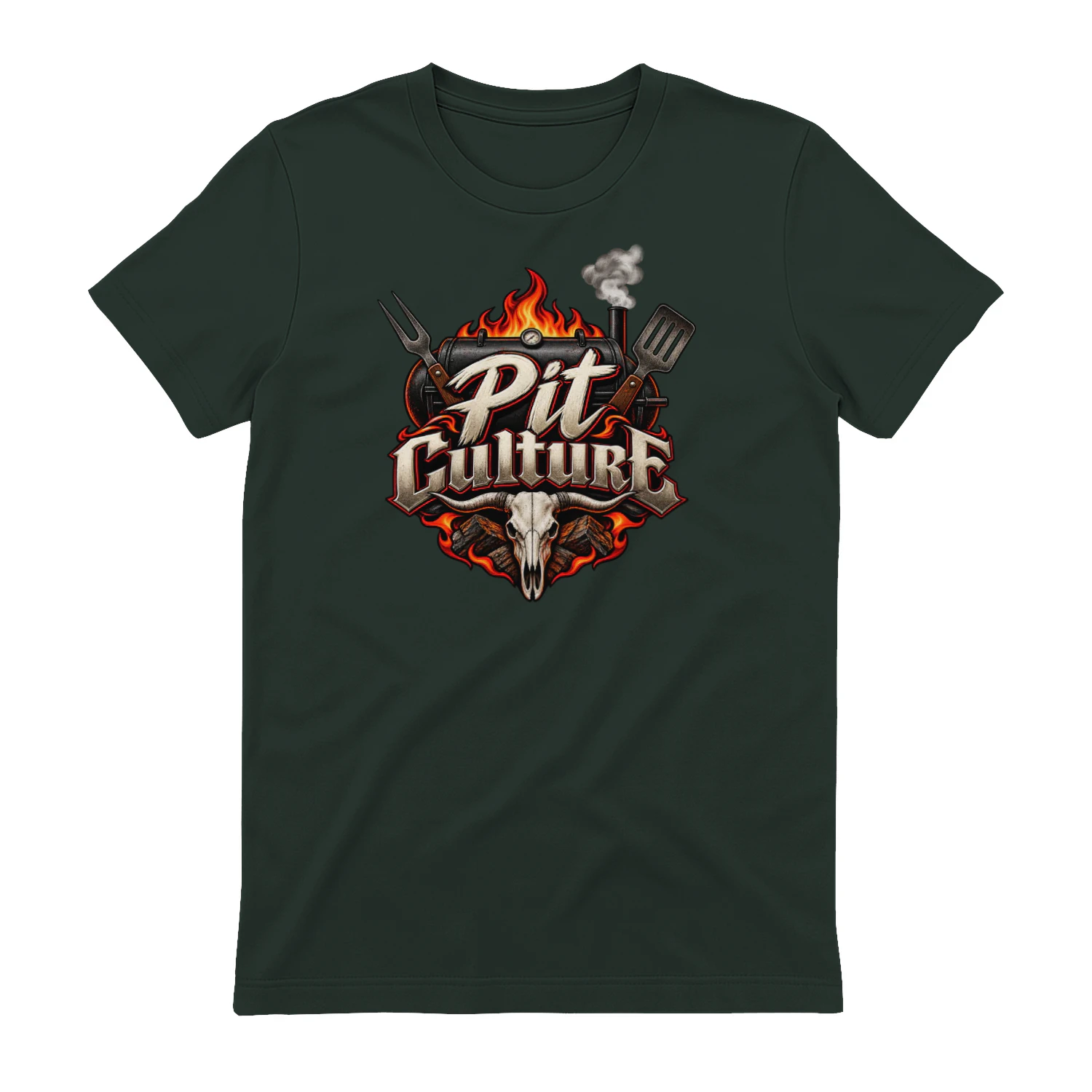
Pit Culture Core Smoker
Official Pit Culture merchandise from Texas Thread Theory, built for people who live for fire, smoke and low-and-slow weekends.
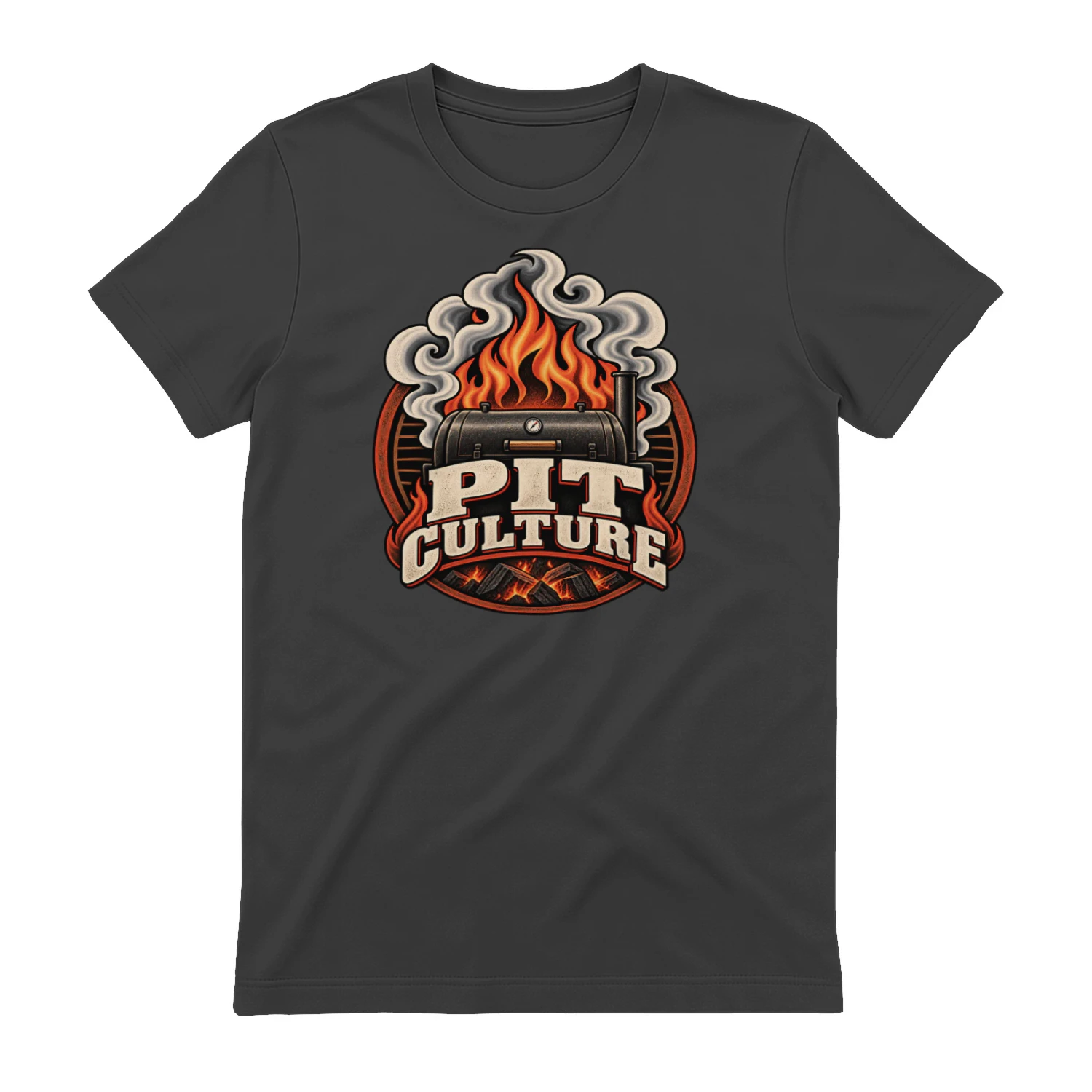
Pit Culture Fire & Smoke
Official Pit Culture merchandise from Texas Thread Theory, built for people who live for fire, smoke and low-and-slow weekends.

