Why this comparison matters now
The simplest read on this video is also the one the Bearded Butchers keep circling back to: the chuck is no longer just the place where roasts live. If you grew up thinking of the front quarter as the part of the animal that gets trimmed into chuck roast, arm roast, or ground beef, this comparison makes a strong case that the category has changed. The creators say that twenty years ago they didn’t cut steaks from the chuck at all. Now they pull multiple steak-worthy muscles from it, and the point of the video is to ask a practical question: are those cuts worth serving, or are they still just the budget alternative to loin steaks?
That question matters because the short loin still carries the reputation most people expect from a “steak” section: strip steak, filet, and sirloin all come from there, and the video treats that area as the classic benchmark. But the chuck, once seen mostly as the front end of roast beef, now produces several distinct steaks with recognizable names and uses. This is not a theory piece. It is a side-by-side fabrication exercise followed by a grill test, and the creators keep the logic simple: if the chuck can produce steaks that look good, cook well, and taste good, then the old hierarchy deserves a second look.
What came out of the chuck
The chuck breakdown is where the video gets interesting, because it shows how many usable cuts are hiding inside what used to be treated as a roast-only section. The Bearded Butchers start with the square chuck and work through the major seams, pulling out the shank and brisket first, then separating the arm, neck, and remaining chuck portion. Once the front quarter is opened up, the individual muscles start to show themselves.
From there, the chuck yields a list that would have sounded unusual in older cut styles: chuck eye steaks, chuck eye roasts, flat iron steaks from the top blade, mock tender, Denver steak, underblade steaks, and a ranch-style cut from the remaining seam work. The top blade is treated as the flat iron source, and the video makes the familiar butcher-shop point that this muscle used to be left in the roast pile. Not anymore. The Denver also gets its moment as a standout piece, and the creators talk about it the way people usually talk about better-known steaks: as a cut with real flavor and enough marbling to matter.
What stands out here is not just the number of cuts, but the way they’re framed. The chuck eye is positioned as the front-quarter answer to a rib eye. The flat iron is presented as a highly tender steak with a different texture and shape than most people expect from the chuck. The Denver is described as a smaller cut with strong flavor and marbling. Even the underblade and mock tender are given a fair shake rather than being dismissed outright. That is part of the editorial value of the video: it treats the chuck as a working section, not an inferior one.
How the short loin broke down
The short loin is the control group in this comparison, and the video handles it in the expected way. The Bearded Butchers remove the tenderloin, break off the sirloin, and work through the strip section so they can compare boneless cuts only. That means the familiar prestige cuts come out cleanly: filet from the tenderloin, strip steaks from the strip section, sirloin steaks, picanha from the sirloin cap, and baseball-cut sirloins from the section near the seam.
The short loin also shows how much of a steak’s identity comes from shape and trimming. The picanha gets attention because of the grain direction and the way it is portioned, and the baseball cut is noted for how closely it resembles the mock tender from the chuck. That visual overlap becomes part of the argument: some cuts from opposite ends of the beef can look surprisingly similar once they are trimmed into steaks.
This is where the video quietly shifts from a simple “front vs. back” comparison into a more useful butcher’s lesson. The value of a cut is not just where it sits on the animal. It is what can be removed from it, how much usable product it gives, and whether that product performs once it hits the grill.
What the grill test revealed
The grill test is where the video stops being theoretical. The Bearded Butchers season the steaks, cook them over hickory, and compare the results side by side. They do not hide their preferences either. The chuck eye gets treated as the obvious rib-eye adjacent cut, and the Denver draws attention for how much it rises and tightens on the grill before resting. That behavior becomes part of the tasting conversation, because it signals just how much structure and fat are packed into the steak.
On the short loin side, the strip behaves like a familiar strip steak should. It is juicy and tender, with the expected line of gristle at the edge. The filet is tender in the way filet usually is, but the creators are honest that tenderness alone does not always translate to the most memorable flavor. The sirloin is solid and beefy. The picanha surprises them by being more tender than expected when sliced correctly. The mock tender, by contrast, is where the short loin side stumbles for them; it tastes fine, but it does not win the tenderness argument.
The chuck side does better than the setup might suggest. The chuck eye impresses them most, and the flat iron gets praised as juicy and highly competitive with the filet. The Denver also ends up in the conversation as a strong second-place contender. In the end, the tasting is not a sweep, but it does produce a clear pattern: some of the best bites came from the chuck, not from the section people usually assume is superior.
The clear winner, and why it mattered
The final answer is not that the short loin lost all credibility. The filets, strips, and sirloins still did what those cuts are known to do. But the bigger conclusion is that the chuck is now producing real steak options, not just budget stand-ins. In the creators’ tasting, the chuck eye comes out on top overall because it combines the things that matter most in a steak: marbling, flavor, tenderness, usable size, and value. The Denver is close behind. The flat iron also earns real respect. That is enough to change the shape of the conversation.
The other detail that gives the video weight is yield. The creators don’t just compare taste; they also talk through how much usable steak comes out of each section. That is where the chuck’s case gets stronger. It is not only cheaper starting material in their framing, it also gives a variety of portions that can be sold, cooked, or used in different ways. The short loin has prestige, but the chuck has range.
So the direct answer to the question in the title is yes: in this video, the chuck can absolutely compete with the short loin, and in some cases it beats it. The old assumption that steak quality lives only in the loin does not survive the comparison. What survives is a more practical idea: if you know how to break the animal down, the front quarter can give you steak nights that do not feel like second-best.
Watch the original video: https://www.youtube.com/watch?v=QlnGMrvVIlk
PIT CULTURE MERCH
Two Pit Culture designs from Texas Thread Theory for people who live for fire, smoke and low-and-slow weekends.
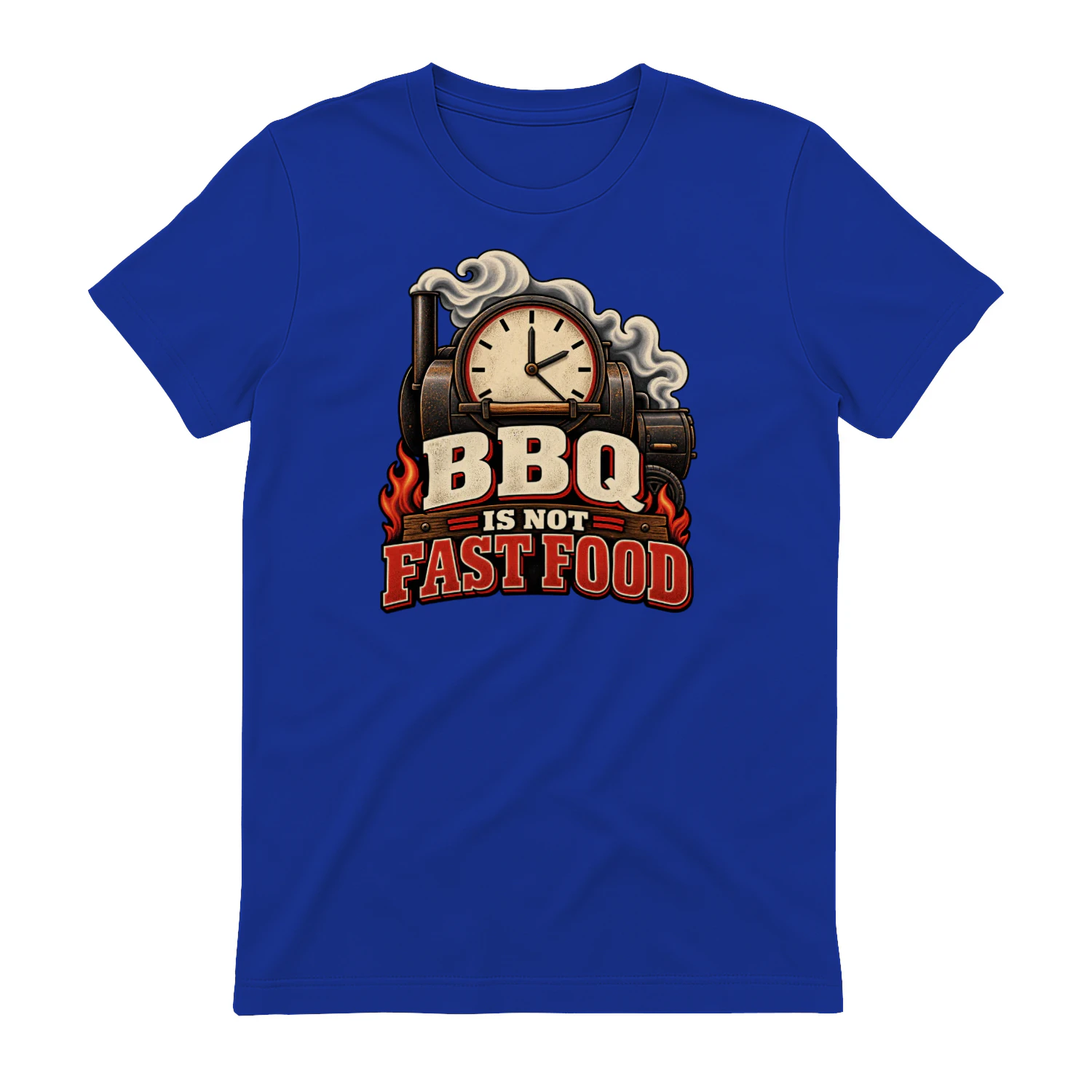
BBQ Is Not Fast Food
Official Pit Culture merchandise from Texas Thread Theory, built for people who live for fire, smoke and low-and-slow weekends.

Brisket Is My Love Language
Official Pit Culture merchandise from Texas Thread Theory, built for people who live for fire, smoke and low-and-slow weekends.

