Competition barbecue looks chaotic from outside the cook site: smokers everywhere, teams moving fast, judges waiting on turn-ins and four different meats finishing on a tight schedule. Underneath that activity is a very structured format.
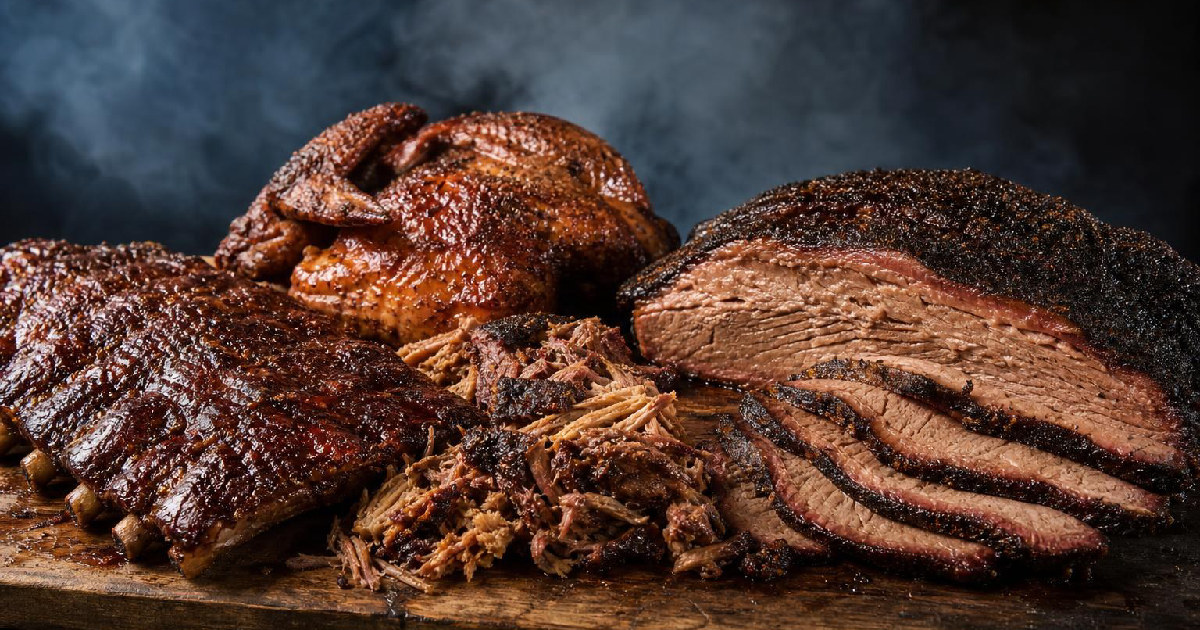
For the KCBS Master Series, the core contest revolves around chicken, pork ribs, pork shoulder and brisket.
Four meats create four different cooking problems
The categories are not just different proteins. They require different timing, trimming and texture targets.
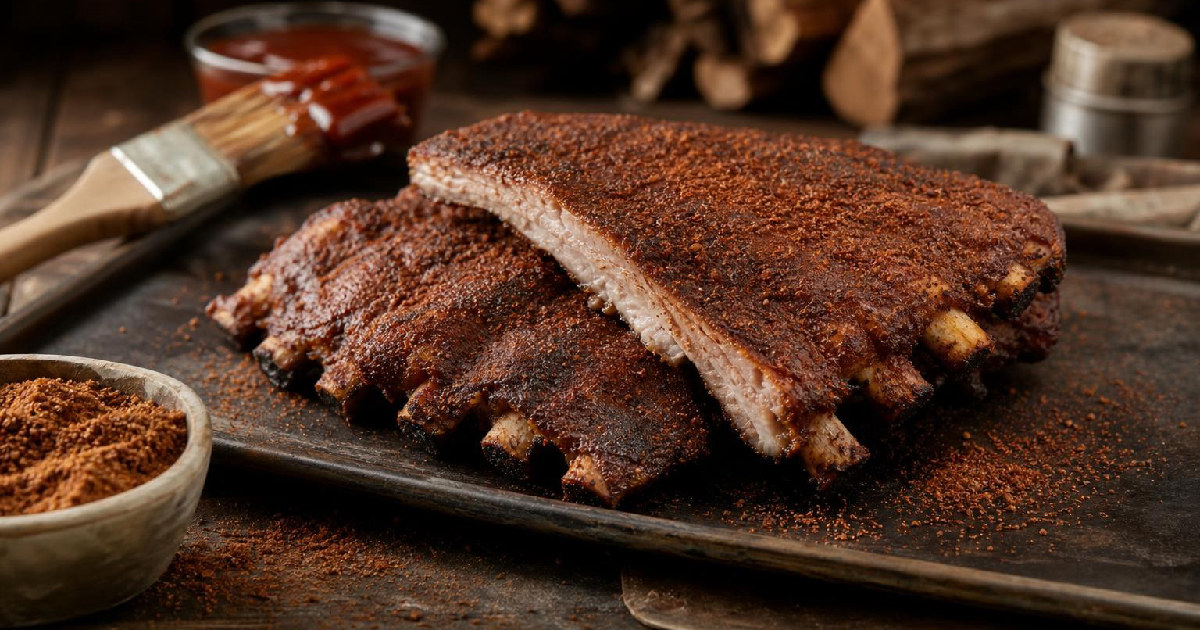
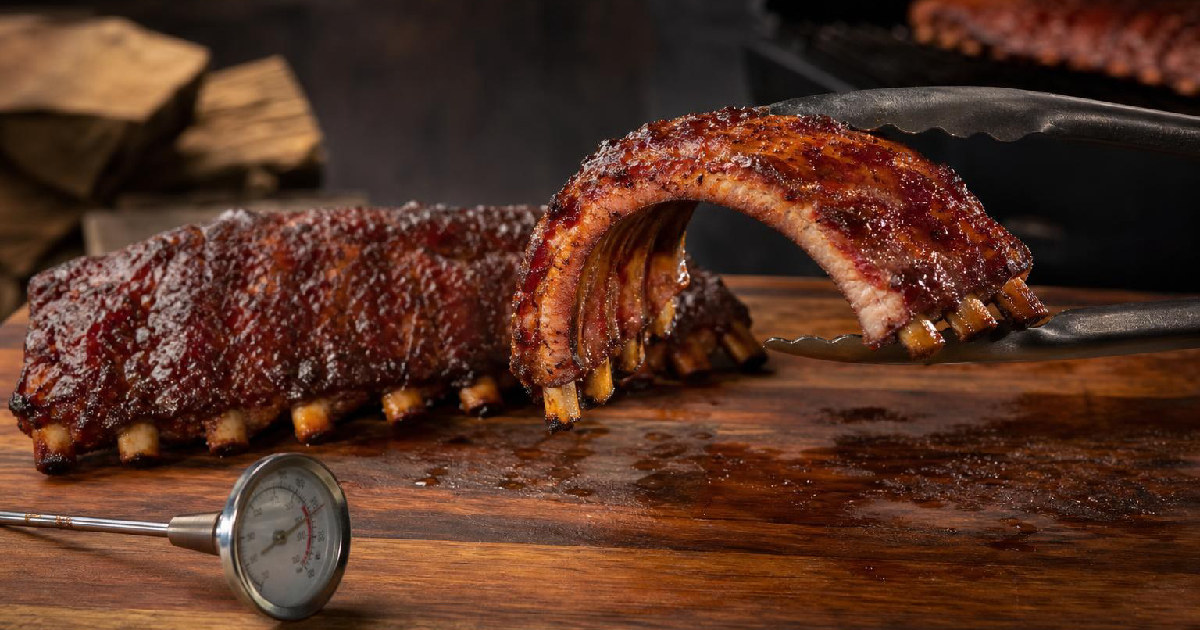
Chicken can go from juicy to overcooked quickly. Ribs need tenderness without falling apart. Pork shoulder gives teams several usable muscles and presentation choices. Brisket demands a long cook and careful management of both the flat and point.
A strong team has to repeat all four under contest pressure.
The heat source is part of the rules
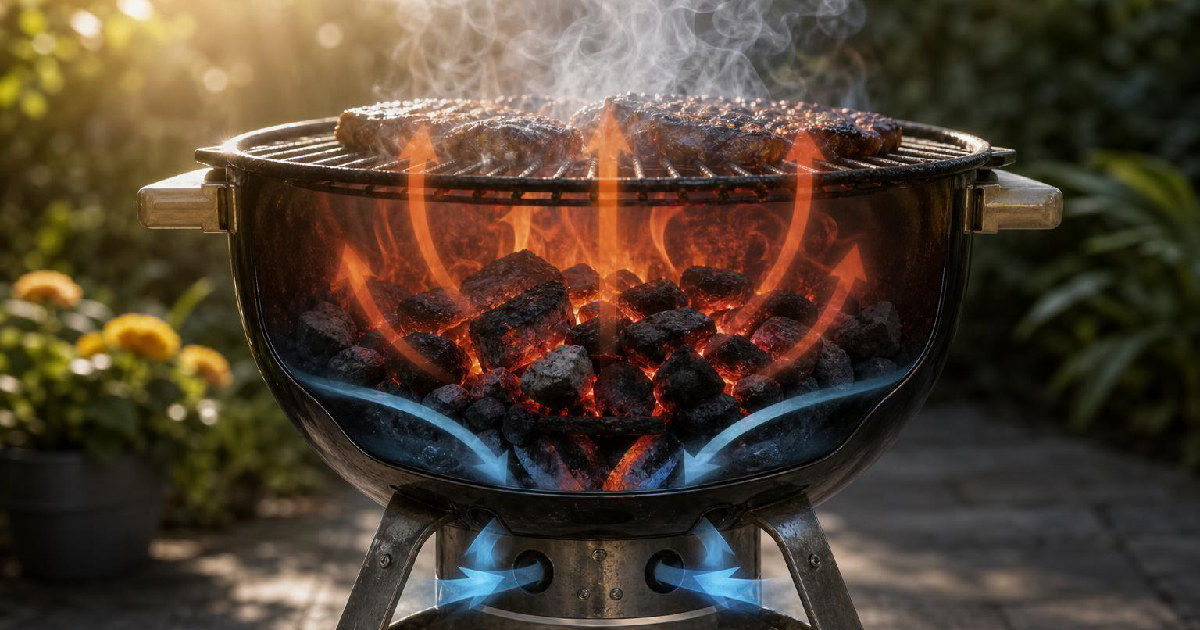
KCBS says Master Series contests permit wood, wood pellets and charcoal as cooking heat sources. Gas and electric heat sources are not allowed in that format.
That rule keeps fire management connected to the competition itself. Teams can use very different pits, but they still have to cook with barbecue fuels rather than relying on an electric oven or gas burner as the primary heat source.
Turn-in order shapes the entire cook
At the 2026 KCBS World Invitational, the Master Series turn-in sequence was chicken, ribs, pork and brisket at 30-minute intervals. That kind of schedule explains why competition teams build detailed timelines long before meat hits the smoker.
A brisket may have started many hours earlier, but the box still has to be ready at exactly the right moment. Ribs, pork and chicken all need to converge on their own windows too.
Category scores also feed the overall race
KCBS Team of the Year standings track results in chicken, ribs, pork and brisket along with overall finish. That rewards teams that are consistently strong across the whole lineup rather than relying on one signature category.
A great brisket can win a category. A great season usually requires competence everywhere.
Backyard contests use a smaller format
KCBS also sanctions Backyard Series contests, which use chicken and pork ribs as the required meats for points. That gives newer teams a more approachable path into organized competition without taking on the full four-meat Master Series workload immediately.
For cooks who are curious about competition, that smaller format can be a useful bridge between backyard barbecue and the logistics of a full contest weekend.
What backyard cooks can borrow from competition teams
You do not need turn-in boxes or judges to learn from the format. Competition teams are obsessive about repeatability, timing and temperature tracking because small mistakes are expensive.
For a home cook, the same habits help: build a timeline backward from serving time, give large meats more rest than you think they need, keep notes and avoid changing multiple variables at once.
Four meats, one test of consistency
The four KCBS Master Series meats cover a wide range of barbecue skills. That is the point. The contest is not simply asking who can cook one impressive brisket. It is testing whether a team can manage different meats, different timelines and different texture targets in the same weekend.
That structure is what makes competition barbecue as much a logistics challenge as a cooking challenge.
PIT CULTURE MERCH
Two Pit Culture designs from Texas Thread Theory for people who live for fire, smoke and low-and-slow weekends.

Smoke Makes Everything Better
Official Pit Culture merchandise from Texas Thread Theory, built for people who live for fire, smoke and low-and-slow weekends.

Smoke Therapy
Official Pit Culture merchandise from Texas Thread Theory, built for people who live for fire, smoke and low-and-slow weekends.