LATEST
The newest published stories and video features from the Pit Culture world, all in one place.

Why This Costco Wagyu Brisket Caught Smokin Joe’s Attention Before the First Slice
Smokin Joe’s Costco run turned into a brisket test when he spotted an American Wagyu packer with marbling that stood out before the first cut. He treated it like a serious pit project: trim the hard fat, season heavily, run it on an offset over post oak, and let bark and.
North Carolina Barbecue Is Really Two Traditions on One Map
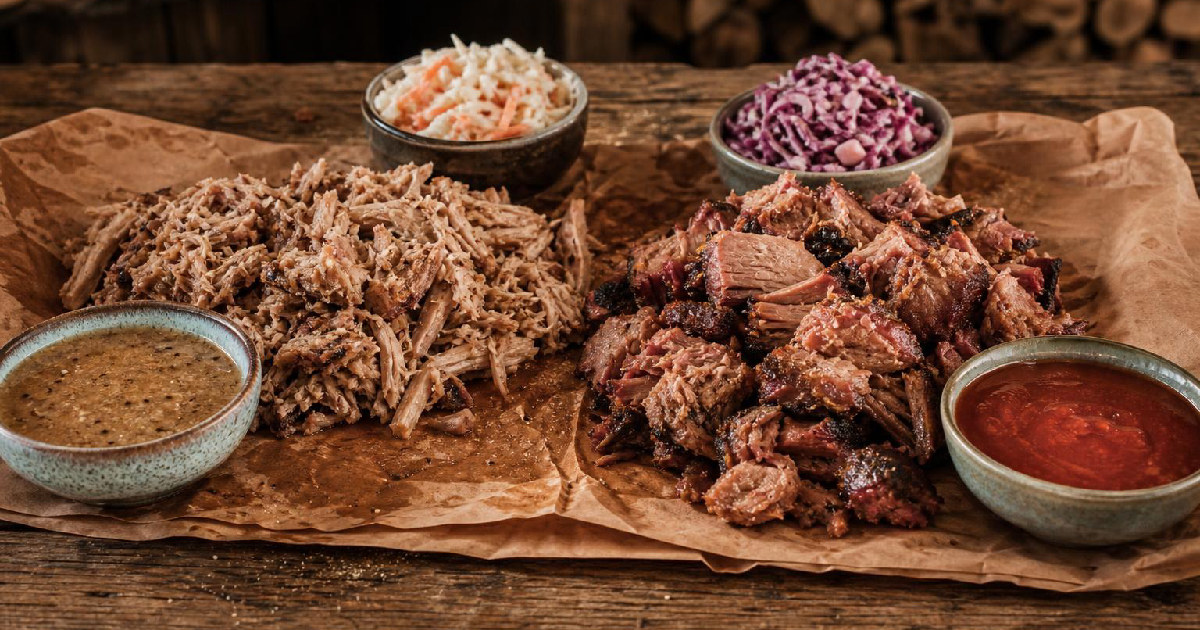
North Carolina barbecue has two major regional traditions: Eastern whole hog with vinegar-pepper sauce and Lexington-style pork shoulder with tomato-tinged dip and red slaw.

Why Hanger Steak Rewards a Careful Trim and a Short Finish on Charcoal
Postal Barbecue’s hanger steak video is less about fancy plating than about respecting a cut that needs a little attention before it gets hot. The trim matters, the low-and-slow first stage matters, and the final sear matters even more.
The Two-Zone Charcoal Fire Is the Setup Every Backyard Griller Should Know
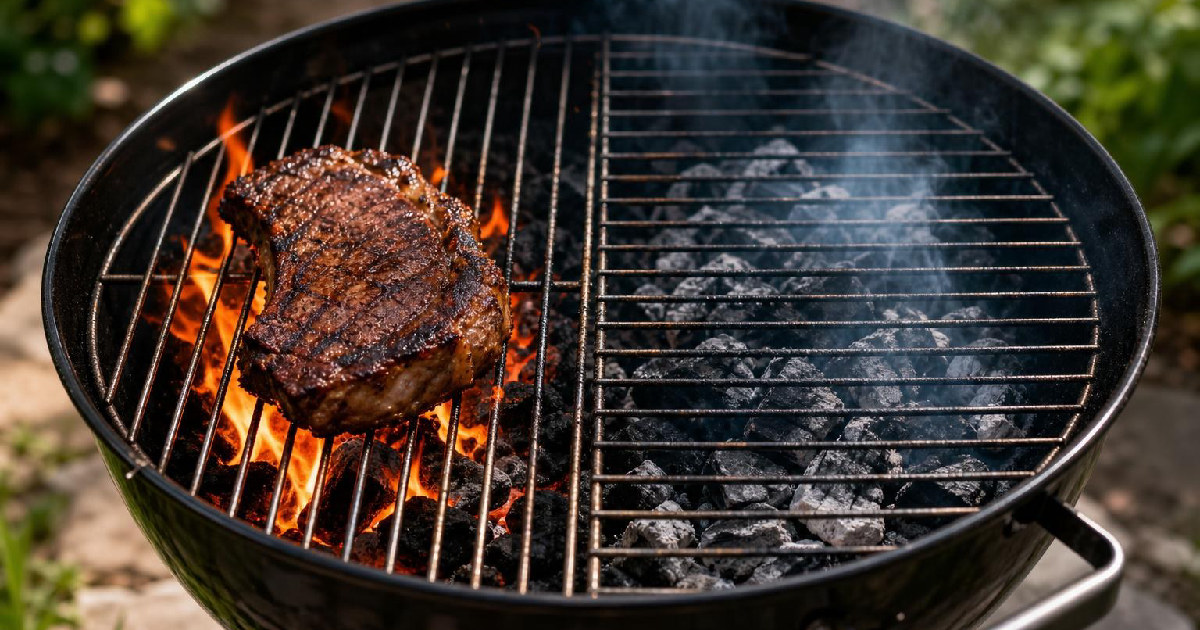
A two-zone charcoal fire combines direct and indirect heat at the same time, giving cooks a hot side for searing and a cooler side for slower, more controlled cooking.

Inside the Tagwood BBQ 26 SS: A Multi-Position Open-Fire Grill Built Around the Firebox
Al Frugoni does not treat the Tagwood BBQ 26 SS like a novelty grill. He treats it like a system. In his overview, every part has a job: the firebox makes embers, the cross handles asador-style cooking, the Santa Maria setup moves up and down, and the suspended grate lets the.

Foil, Butcher Paper, or Naked: What Changes When You Finish Ribs Each Way
Kosmos Q compares foil, butcher paper, and unwrapped ribs on the same pit, showing how each finishing method changes bark, smoke, moisture, tenderness, and bite.

Chasing the Perfect Bark
Official Pit Culture merchandise from Texas Thread Theory, built for people who live for fire, smoke and low-and-slow weekends.
KCBS Competition Barbecue Is Built Around Four Main Meats
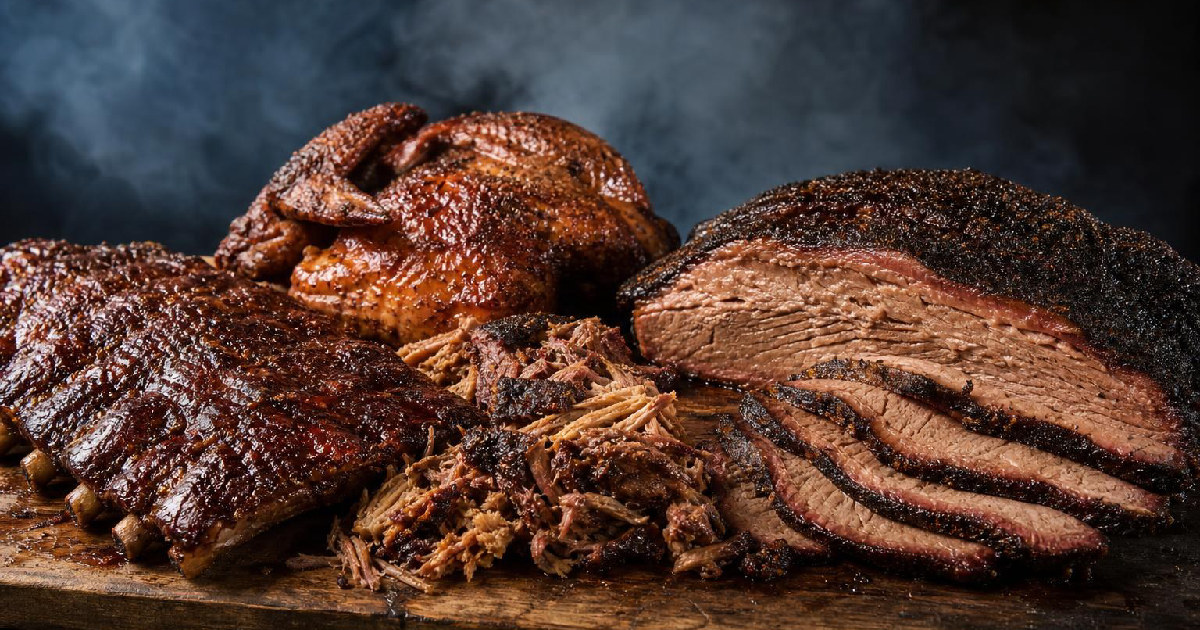
KCBS Master Series teams compete in chicken, pork ribs, pork shoulder and brisket, with each meat contributing to category results and the overall standings.
Why Malcom Reed’s Memphis Dry Rib Method Lands So Hard
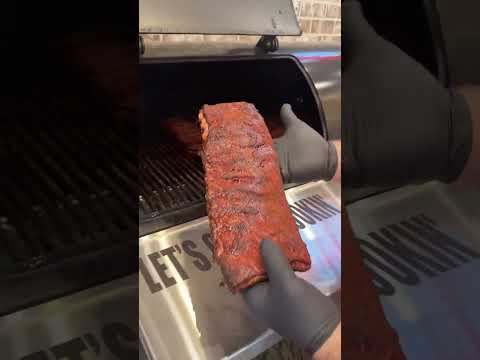
Malcom Reed’s take on Memphis style dry ribs is built around control. He trims the racks clean, seasons them simply, smokes them patiently, and uses a cooler rest to set the texture before bringing them back for a final dry finish.

Punta de Espalda, the Rare San Juan Cut That Changed the Whole Cook
Al Frugoni’s first Punta de espalda cook is built around a rare Argentine beef cut from San Juan, a visit from pitmaster Mauricio, and an asador-style fire that keeps the lesson rooted in the cook itself. The video is not just about trying something new. It is about how.
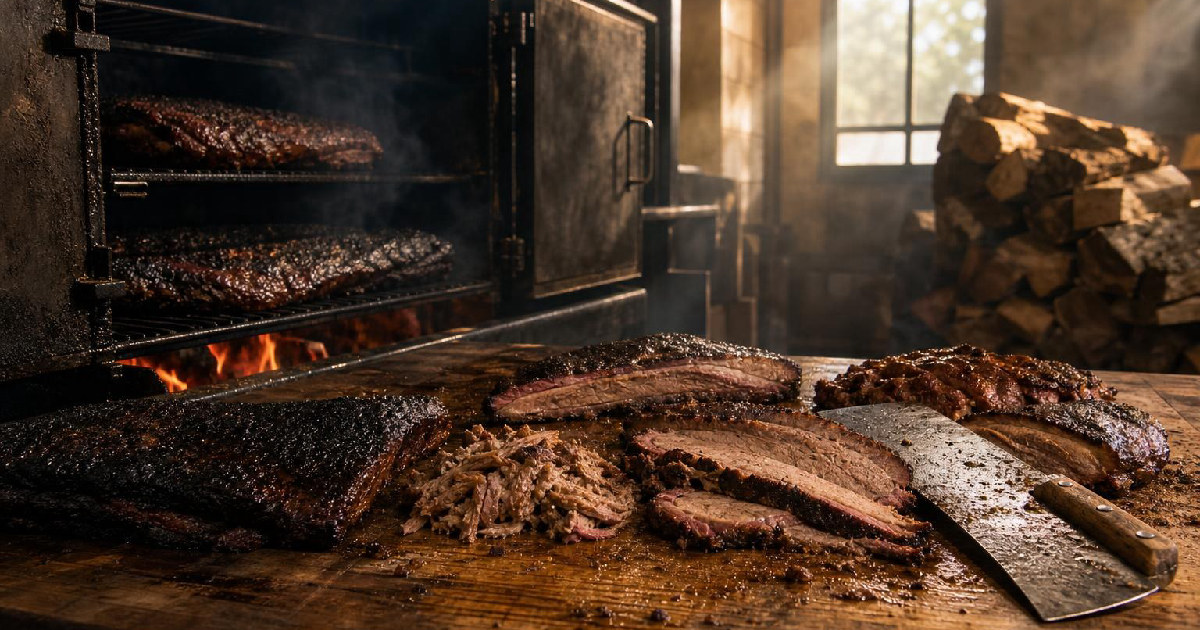
Why Lockhart Became the Barbecue Capital of Texas
Lockhart’s barbecue identity comes from generations of Central Texas smokehouse tradition, including family-run institutions and a 1999 state designation as the Barbecue Capital of Texas.

What a WFC Master Judge Says Winning Entries Get Right
Harry Soo’s judging advice from the World Food Championships is not a bag of flashy secrets. It is a checklist of basic decisions that matter more under pressure: know the rules, understand how E.A.T. scoring works, keep the title and dish aligned, and build a turn-in that.
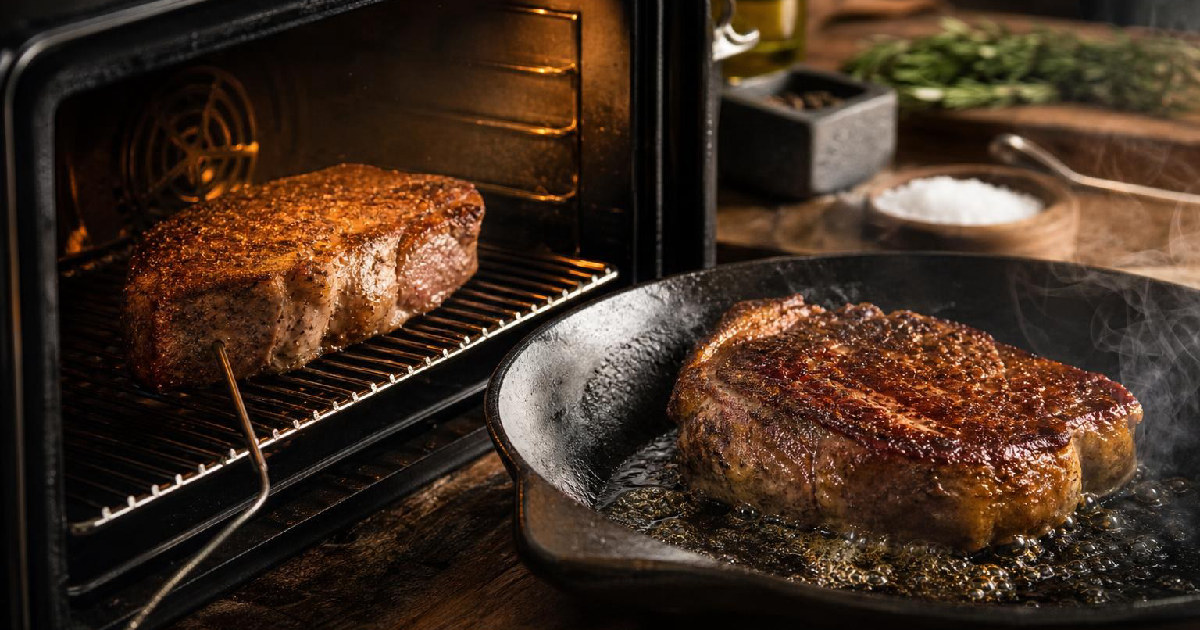
Reverse Sear Explained: Why Thick Steaks Benefit From Cooking Low Before the Final Sear
Reverse searing uses indirect heat to bring a thick steak close to its target temperature before a fast final sear builds the crust.