LATEST
The newest published stories and video features from the Pit Culture world, all in one place.
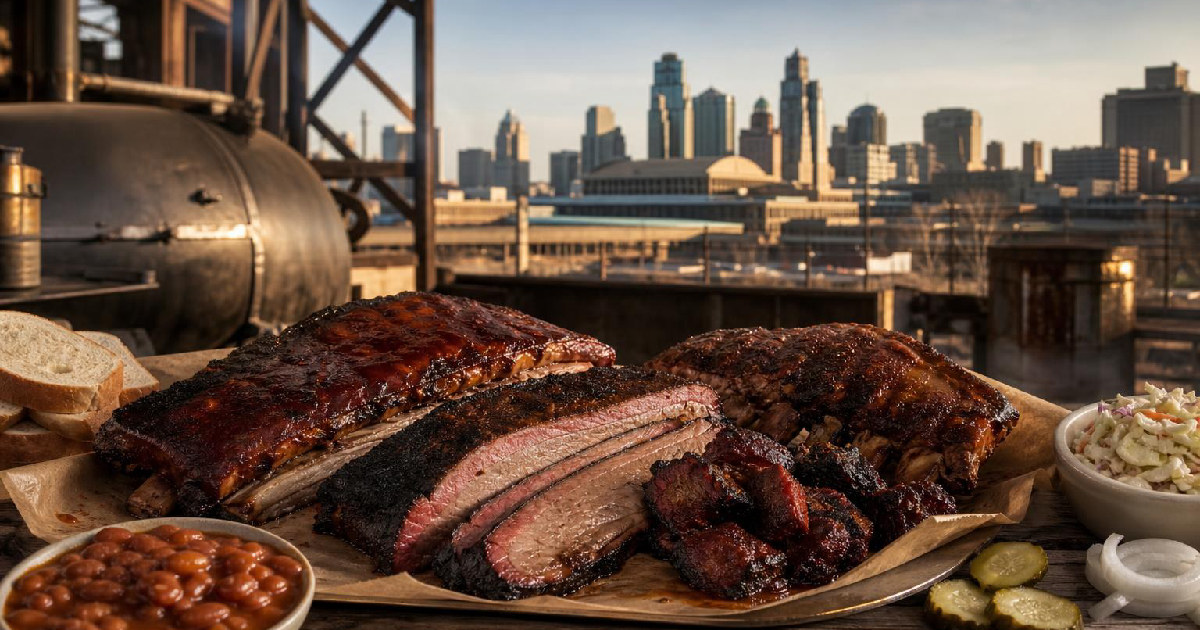
Kansas City Is Now Missouri’s Official State Barbecue Capital
Missouri formally designated Kansas City as the state barbecue capital in 2026. The move recognizes a barbecue tradition that grew from Henry Perry, the stockyards era and a restaurant culture that now spans more than 100 barbecue stops.
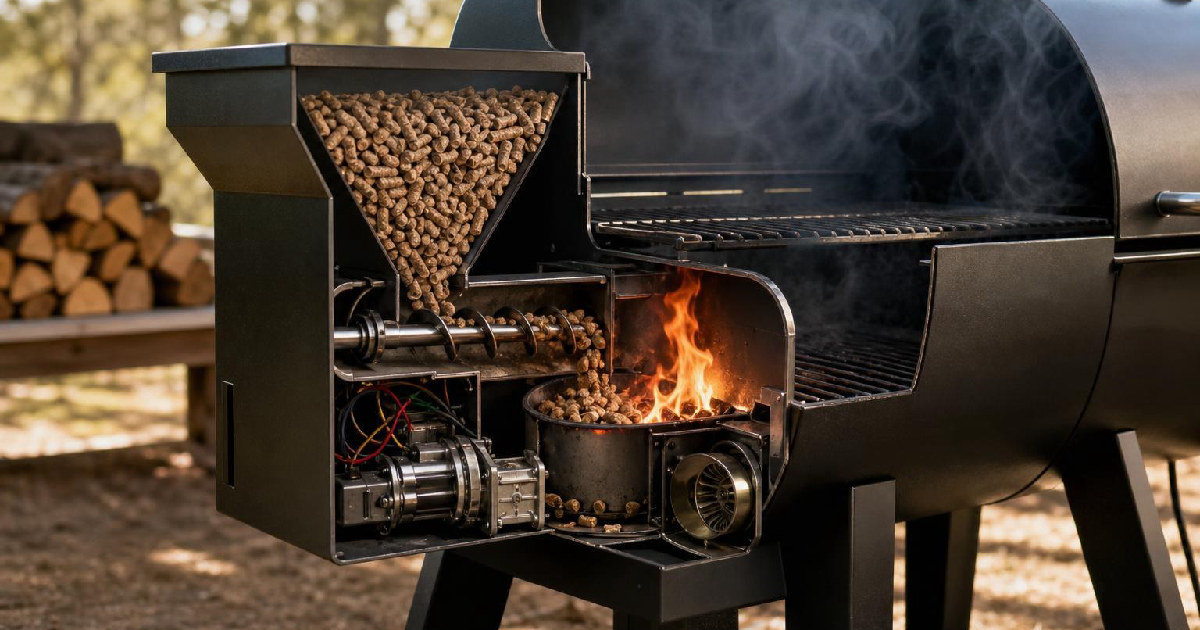
A Pellet Grill Still Burns Wood: Electricity Runs the Feed System, Not the Fire
A pellet grill uses electricity for its controller, auger, igniter, and fan while hardwood pellets travel from a hopper into a fire pot where they burn to create the cooking heat.
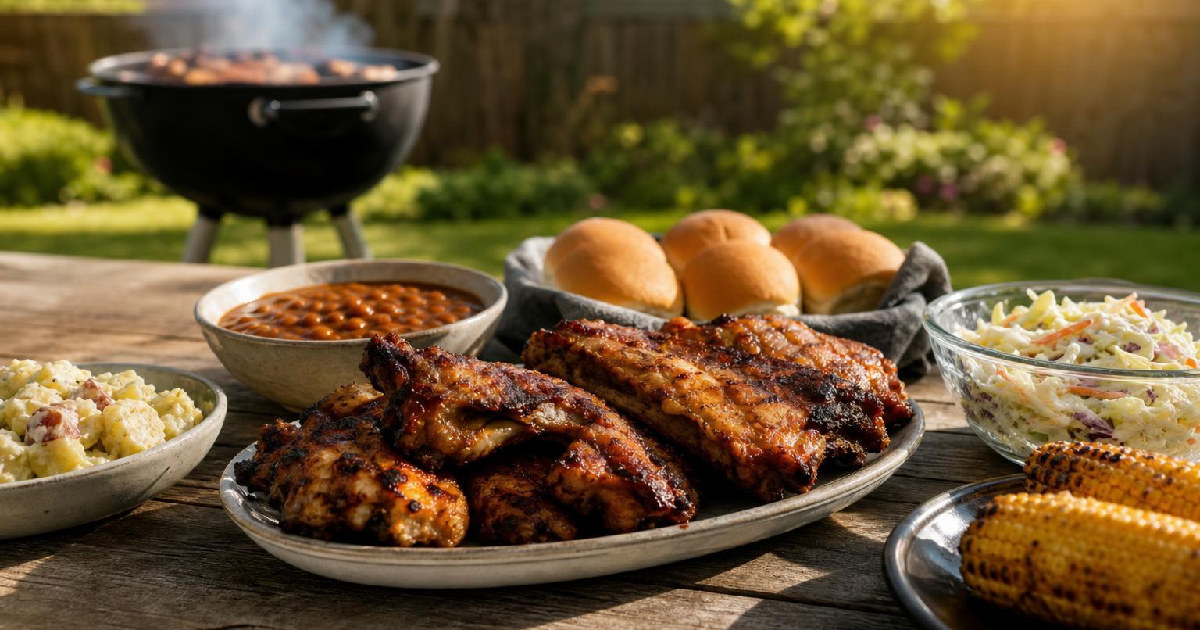
The Backyard Barbecue Danger Zone: When Food Has Been Sitting Out Too Long
USDA defines 40°F to 140°F as the food-safety danger zone and shortens the two-hour rule to one hour when outdoor temperatures rise above 90°F.
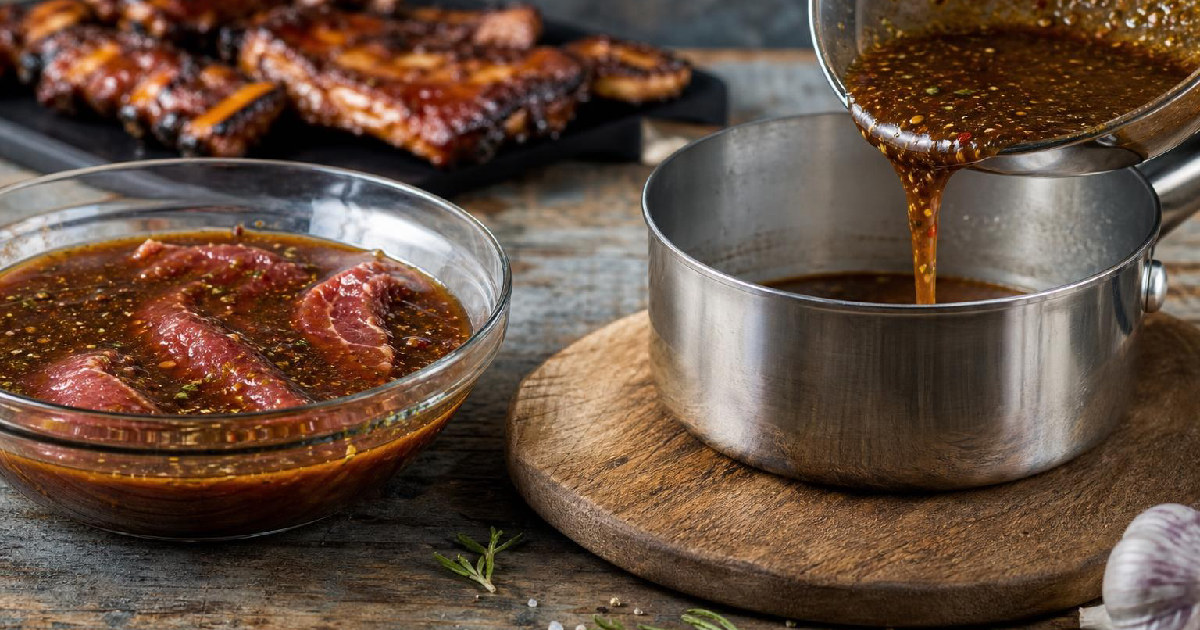
Do Not Put Used Raw-Meat Marinade Back on Finished Barbecue Unless You Boil It
USDA says meat and poultry should be marinated in the refrigerator and used marinade should not go onto cooked food unless it is boiled first to destroy harmful bacteria.
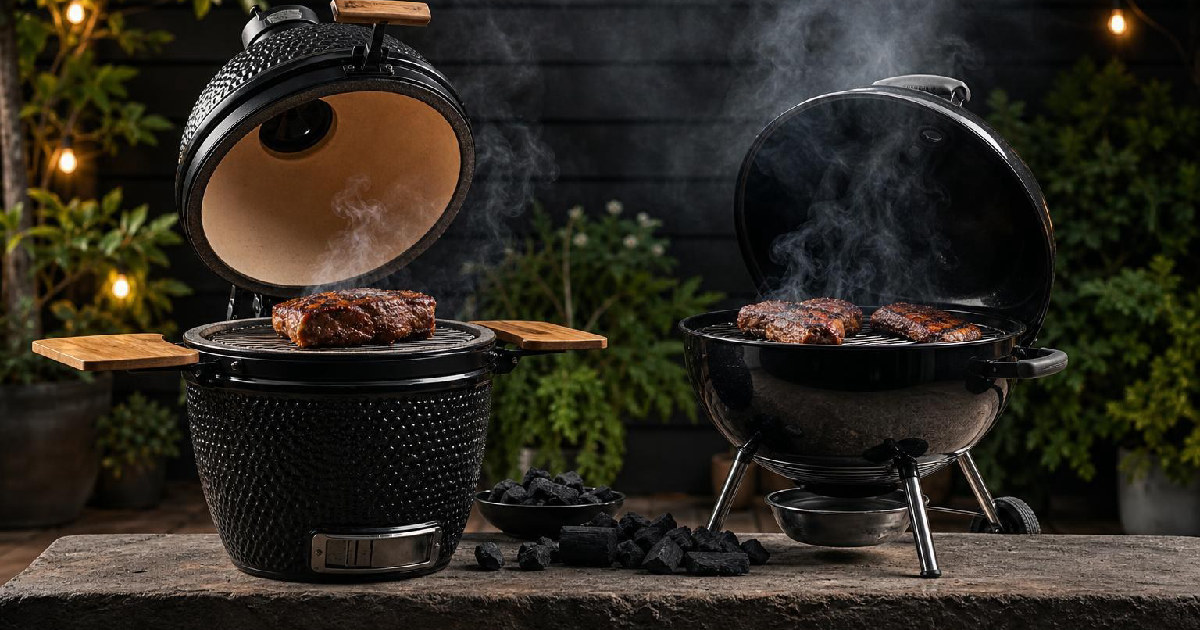
What Makes a Ceramic Kamado Different From a Regular Charcoal Grill
Ceramic kamado cookers use charcoal like other grills, but insulated ceramic construction and controlled airflow help them retain heat and move between low-and-slow and high-heat cooking.
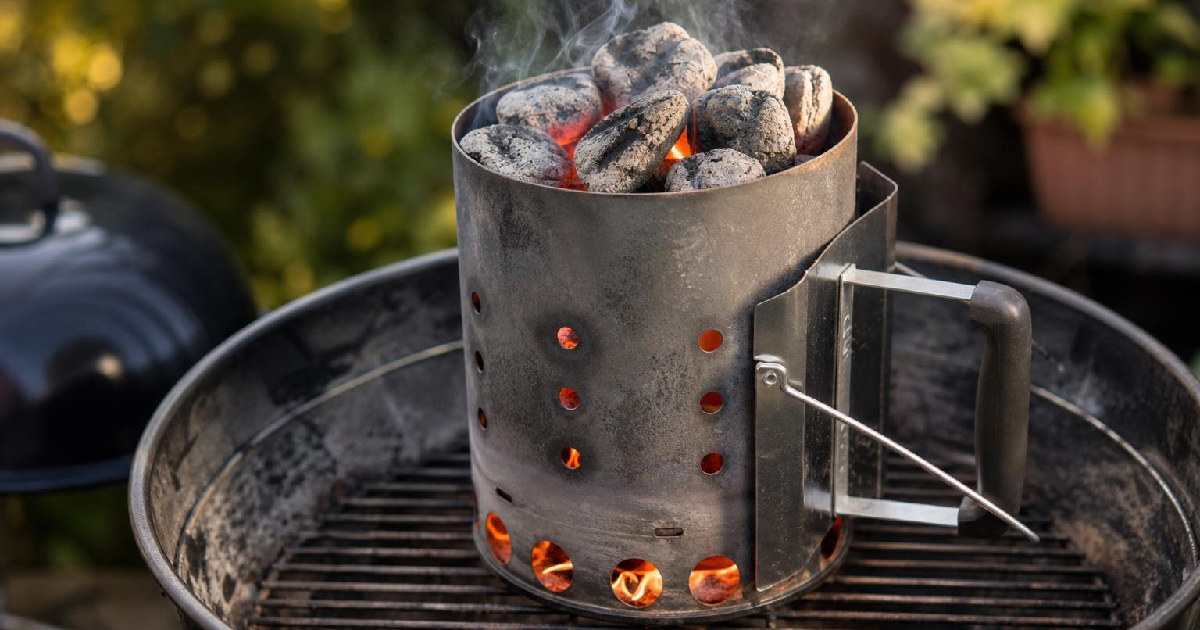
A Charcoal Chimney Starter Gives You an Even Fire Without Lighter Fluid
A charcoal chimney starter lights briquettes or lump charcoal with strong natural airflow, helping the coals ignite evenly before they are arranged for direct or indirect cooking.
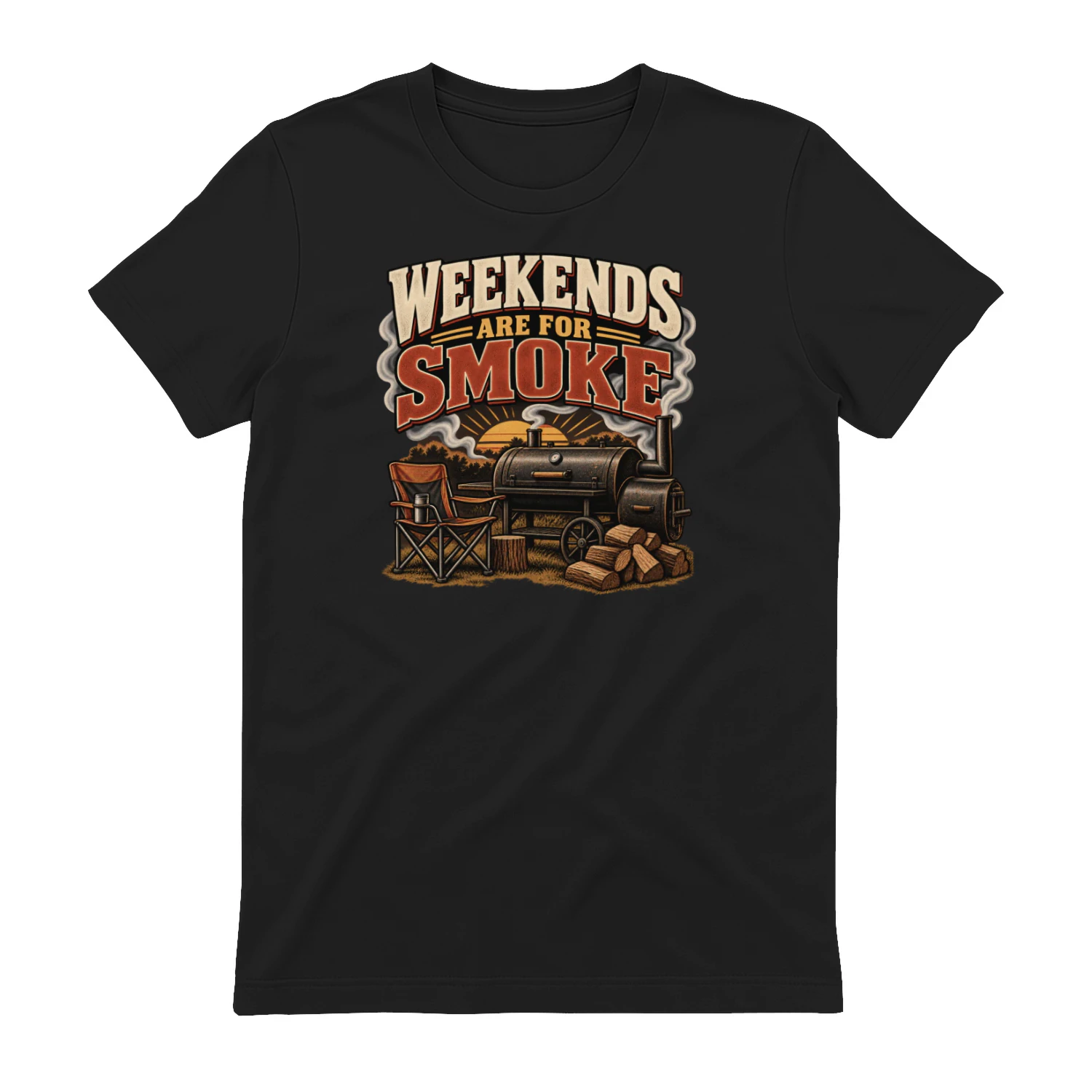
Weekends Are for Smoke
Official Pit Culture merchandise from Texas Thread Theory, built for people who live for fire, smoke and low-and-slow weekends.
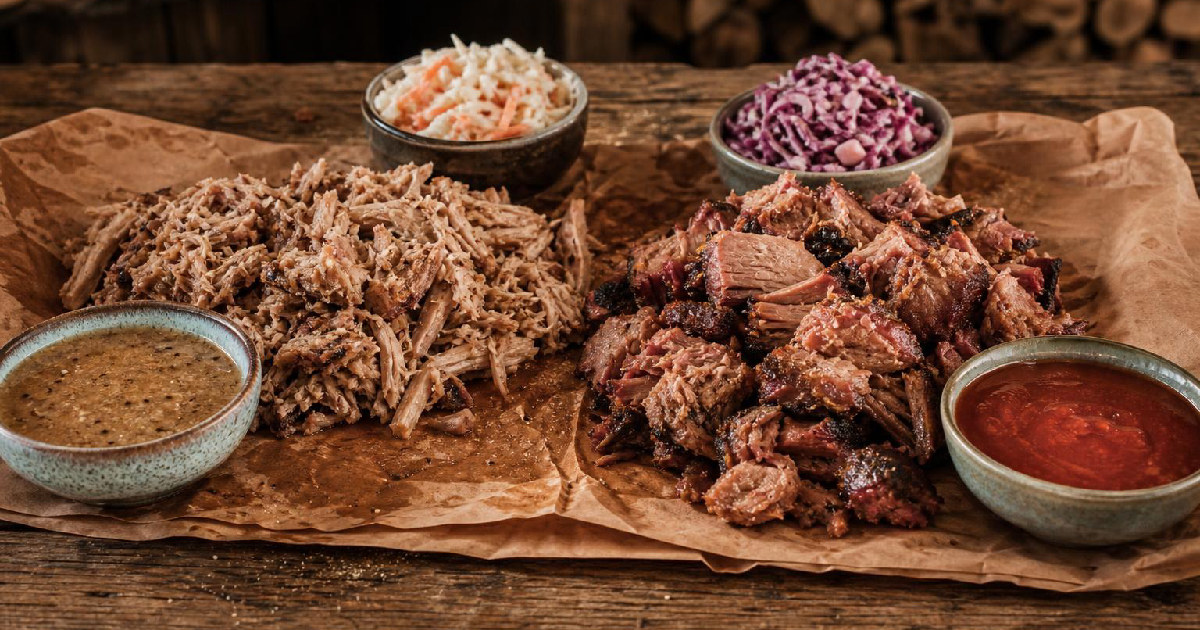
North Carolina Barbecue Is Really Two Traditions on One Map
North Carolina barbecue has two major regional traditions: Eastern whole hog with vinegar-pepper sauce and Lexington-style pork shoulder with tomato-tinged dip and red slaw.
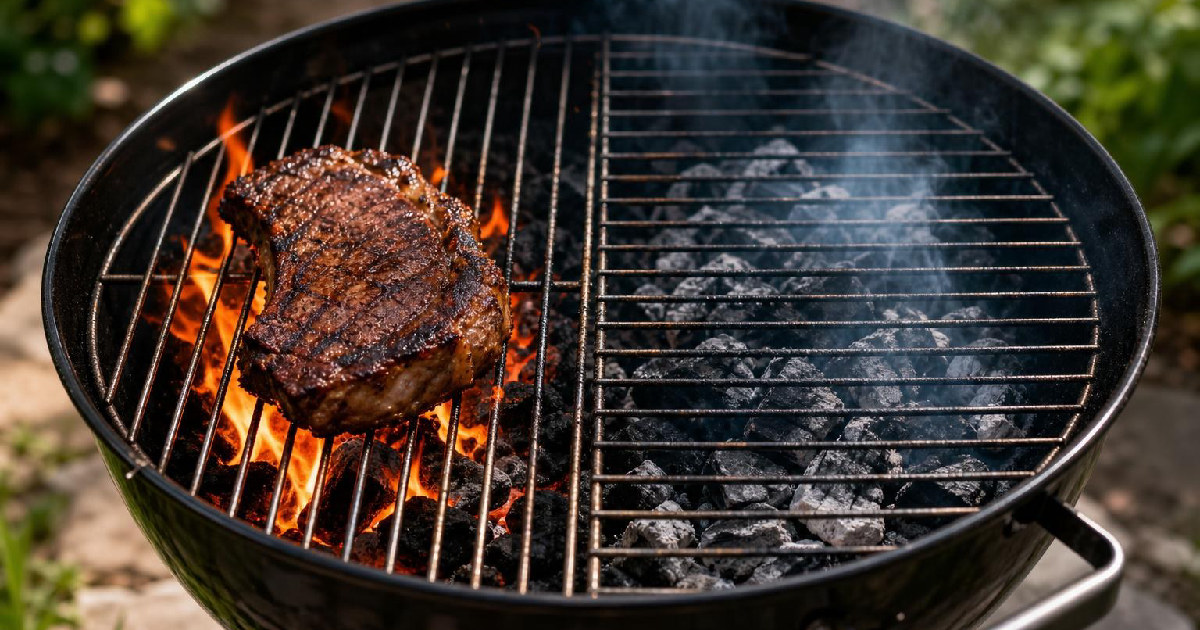
The Two-Zone Charcoal Fire Is the Setup Every Backyard Griller Should Know
A two-zone charcoal fire combines direct and indirect heat at the same time, giving cooks a hot side for searing and a cooler side for slower, more controlled cooking.
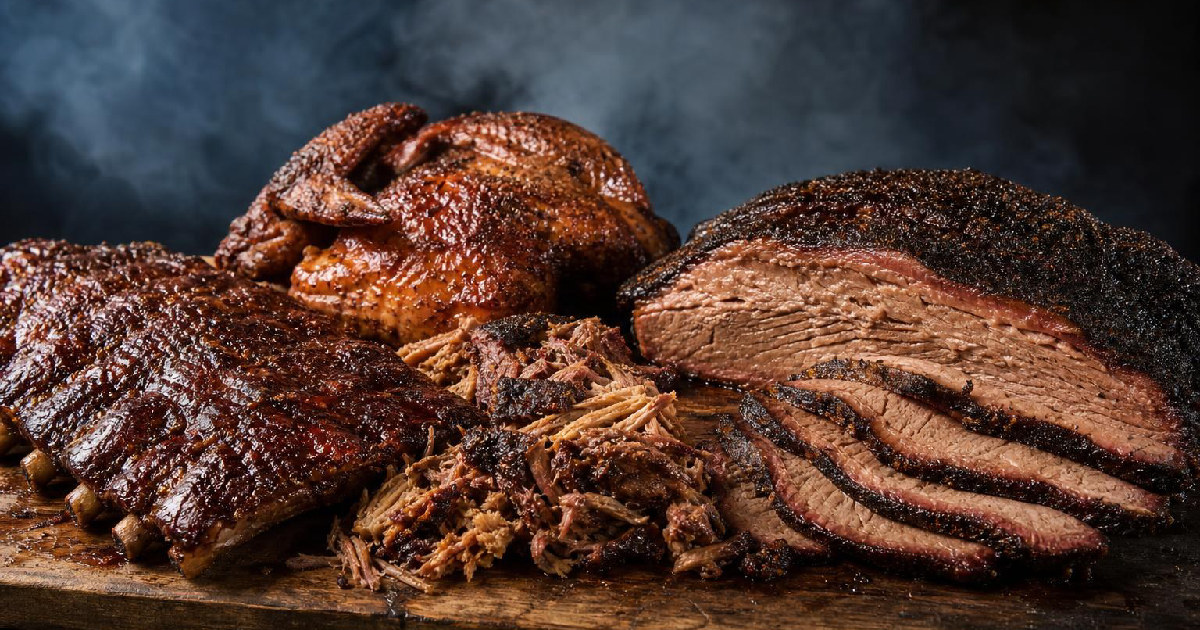
KCBS Competition Barbecue Is Built Around Four Main Meats
KCBS Master Series teams compete in chicken, pork ribs, pork shoulder and brisket, with each meat contributing to category results and the overall standings.
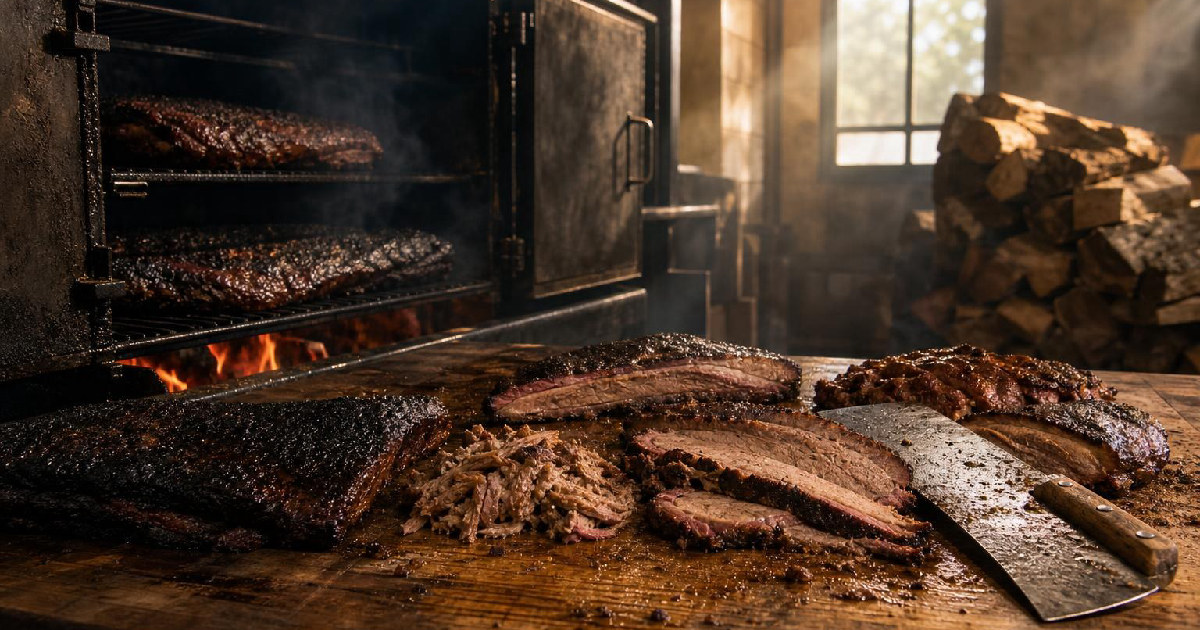
Why Lockhart Became the Barbecue Capital of Texas
Lockhart’s barbecue identity comes from generations of Central Texas smokehouse tradition, including family-run institutions and a 1999 state designation as the Barbecue Capital of Texas.
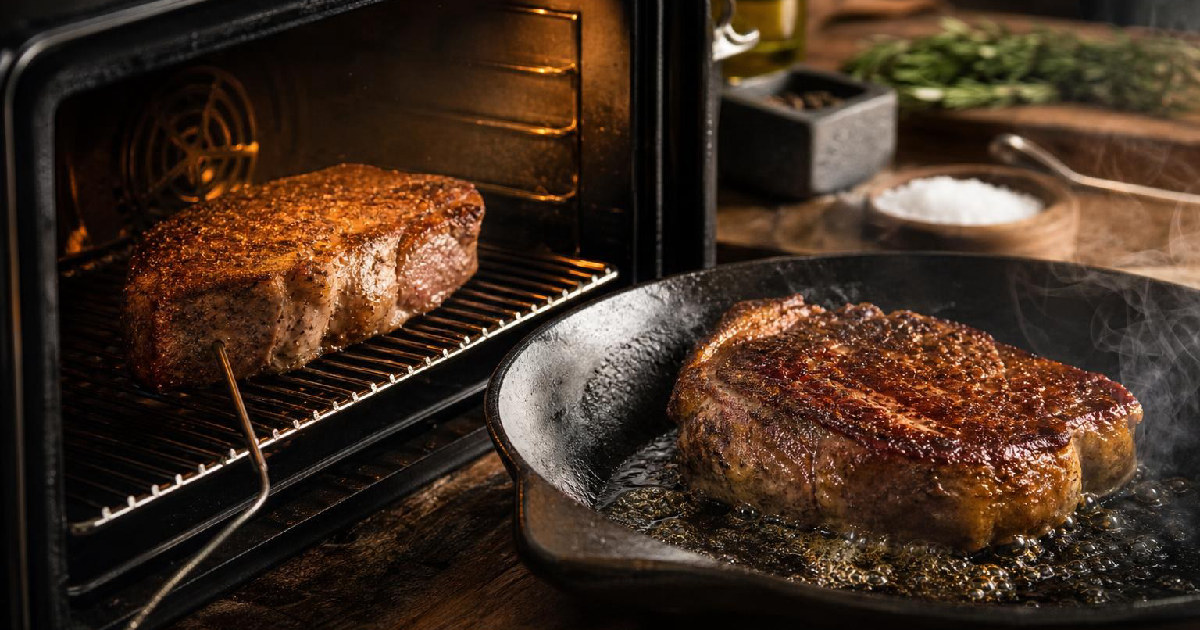
Reverse Sear Explained: Why Thick Steaks Benefit From Cooking Low Before the Final Sear
Reverse searing uses indirect heat to bring a thick steak close to its target temperature before a fast final sear builds the crust.
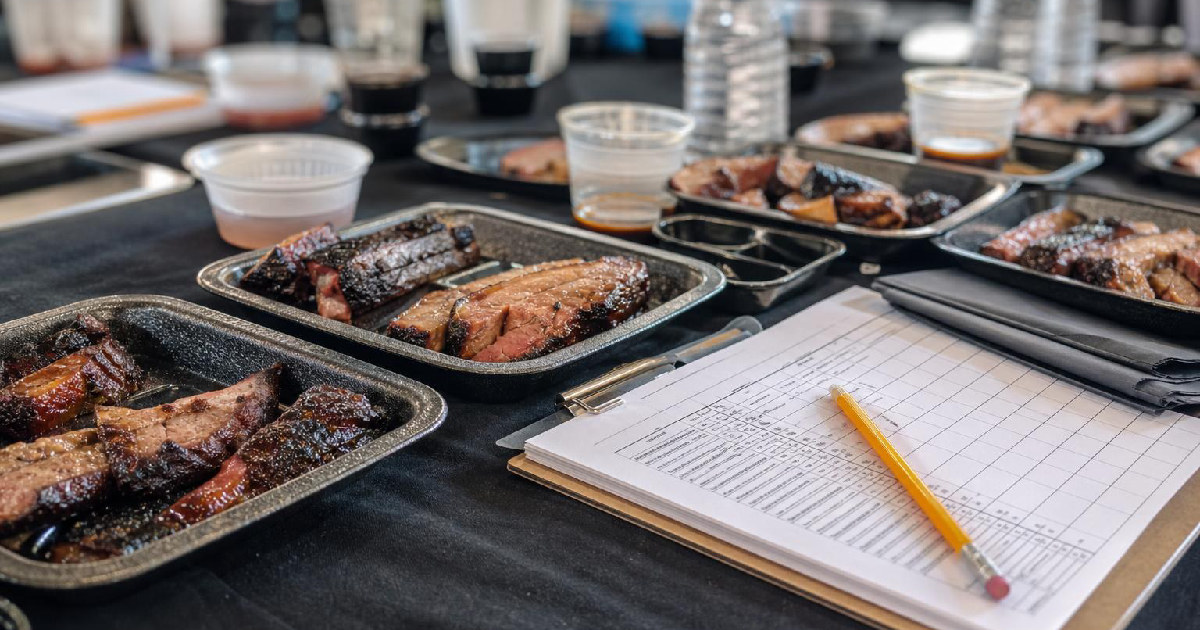
How Memphis in May Barbecue Judging Works Behind the Smoke
The World Championship Barbecue Cooking Contest uses trained judges and multiple judging formats. Here is what fans and aspiring competitors should understand about the process.